


More news on this day
Large parts of Britain’s rail network were severely disrupted after a rare red extreme heat warning prompted train operators and infrastructure managers to tell passengers not to travel, as unprecedented temperatures put intense strain on tracks, overhead lines and timetables.
Get the latest news straight to your inbox!
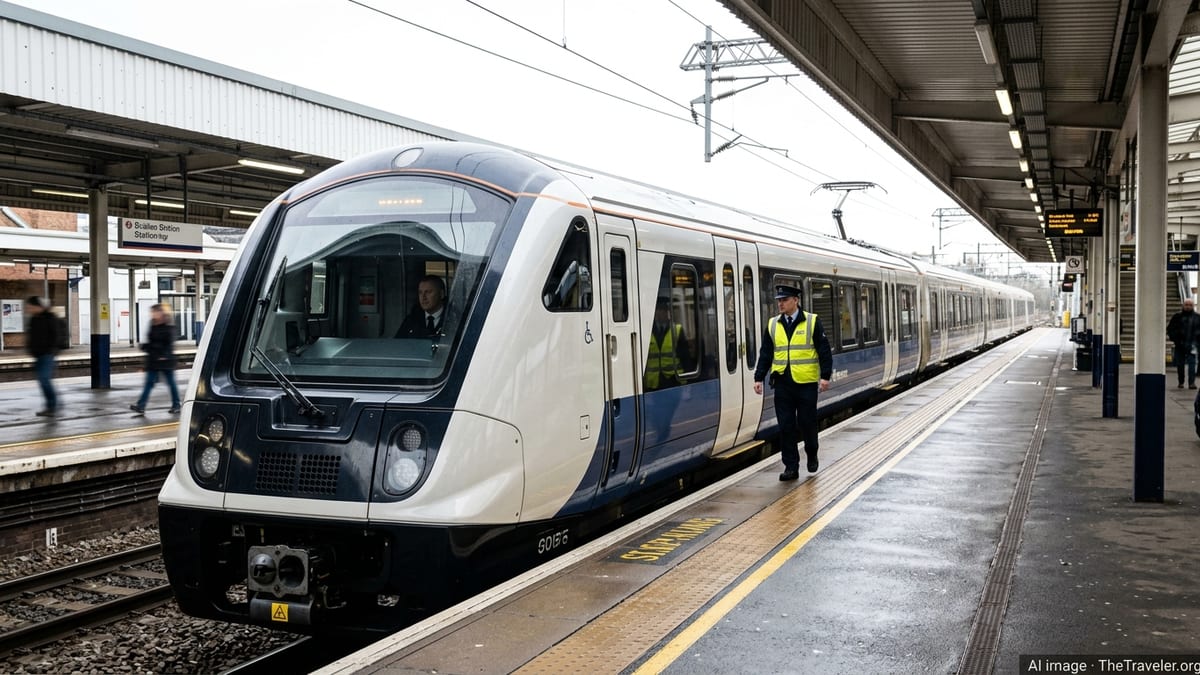
Red heat warning brings unprecedented disruption
The Met Office issued its first red warning for extreme heat for parts of England in mid July 2022, signalling a risk of serious illness and danger to life as temperatures were forecast to exceed 40 degrees Celsius. Publicly available information shows that this level of alert is reserved for exceptional events and has major implications for transport, health and emergency planning.
Rail industry updates indicate that, in response, Network Rail and multiple train operators upgraded their guidance from advising only essential travel to explicit “do not travel” messages on routes running through the red warning zone. Services on key intercity lines north out of London were singled out as being at particular risk of disruption due to the combination of heat-sensitive infrastructure and already busy summer schedules.
Reports from national and specialist transport outlets describe how, as the heatwave intensified, the focus shifted from running reduced timetables to preventing serious damage to the network. With the red warning in force, the priority became keeping people away from services that were expected to be heavily delayed, cancelled at short notice or unable to run at all.
Major routes halted and timetables slashed
According to coverage from UK rail news and mainstream media, the extreme heat led to the closure or partial closure of several of Britain’s most important main lines. On the East Coast Main Line, which links London with cities including York, Newcastle and Edinburgh, services south of York were widely reported as being suspended for much of the peak heat period, effectively cutting one of the country’s principal rail arteries.
Other lines experienced similar disruption. Information published by Network Rail and a number of train companies shows that only very limited and slower services were able to operate from London Euston, Marylebone and other major terminals, with some routes cancelled outright during the hottest hours of the afternoon and early evening. Operators such as London North Western Railway, Avanti West Coast and regional carriers around the Midlands and south east all pointed to the same core problem: infrastructure that could not safely handle the temperatures being recorded.
Reduced emergency timetables were introduced across many regions, featuring fewer trains, longer journey times and the likelihood of late notice changes. Passengers were repeatedly advised that tickets could be used on alternative days or refunded, supporting the wider message that avoiding rail travel altogether was the safest and most reliable option during the peak of the heatwave.
Why the heat is so dangerous for rail infrastructure
Technical briefings from rail and meteorological organisations highlight several reasons why high temperatures cause such severe disruption on the railway. Steel rails expand in the heat and can bend or buckle if the temperature rises well above the range for which they were designed. Reports from the affected period noted multiple instances of buckled track, requiring immediate speed restrictions or closures to prevent derailments.
Overhead power lines are also vulnerable. As the wires expand and sag in the heat, the risk increases that they may tangle with pantographs on passing trains or fail entirely. Published accounts from the July 2022 heatwave describe overhead line damage on busy intercity routes, forcing operators to halt services while engineers attempted repairs in challenging conditions.
In addition, very high rail temperatures, which can be significantly above the surrounding air temperature, make it difficult for maintenance teams to work for extended periods. This limits the speed at which faults can be repaired and complicates efforts to restore normal service quickly. The combination of track, power and workforce constraints explains why a short, intense heatwave can bring such widespread and prolonged disruption to the network.
Impact on passengers and wider travel networks
Travel reports from the time indicate that passengers across England faced last minute cancellations, packed replacement services and long waits at stations as the “do not travel” message took effect. Those who did attempt to travel often encountered trains running at heavily reduced speeds, diversions via less direct routes or transfers to rail replacement buses where track conditions were considered unsafe.
Air travel and road traffic also came under pressure as people sought alternatives. Media coverage noted that some airports and major roads experienced knock on disruption, with higher demand and the same challenging temperatures affecting operations. However, the rail network drew particular attention because of the scale of timetable cutbacks and the rarity of an explicit national level call for passengers to avoid travel.
Consumer advice from broadcasters and travel organisations urged passengers to check journey planners before setting out, carry water and be prepared for long delays. In many cases, people were encouraged to work from home or rearrange trips entirely, reflecting the seriousness of the red warning and the potential health risks of being stuck on crowded trains or platforms in extreme heat.
Heatwave raises questions about rail resilience
The red heat warning and associated “do not travel” advice have prompted ongoing debate about how well Britain’s largely Victorian era rail infrastructure is adapted to a warming climate. Analysis by transport commentators points out that much of the network was engineered for a narrower temperature range than is now being experienced, leaving tracks and power systems exposed to both extreme heat and other forms of severe weather.
Subsequent documents from industry task forces and passenger research groups show that operators and Network Rail have been examining how to improve communication, including clearer “do not travel” messaging, and how to strengthen physical assets, for example by adjusting track maintenance regimes or upgrading equipment. These efforts sit alongside broader policy discussions about investment priorities and the pace at which climate resilience work can be delivered across more than 20,000 miles of track.
For travellers, the events around the red heat warning underline the importance of checking the latest information before relying on rail during periods of extreme weather, whether heat, storms or flooding. While the July 2022 heatwave was notable for its record breaking temperatures and the severity of the disruption, publicly available assessments suggest that similar events are likely to become more frequent as the climate warms, making advance planning and flexible travel arrangements increasingly essential for trips across the UK.