


More news on this day
Britons planning trips to Spain in mid November are being urged to prepare for transport disruption and longer border formalities, after updated UK travel advice highlighted the impact of a nationwide strike, rail problems and new biometric checks on journeys by air, rail and road.
Get the latest news straight to your inbox!
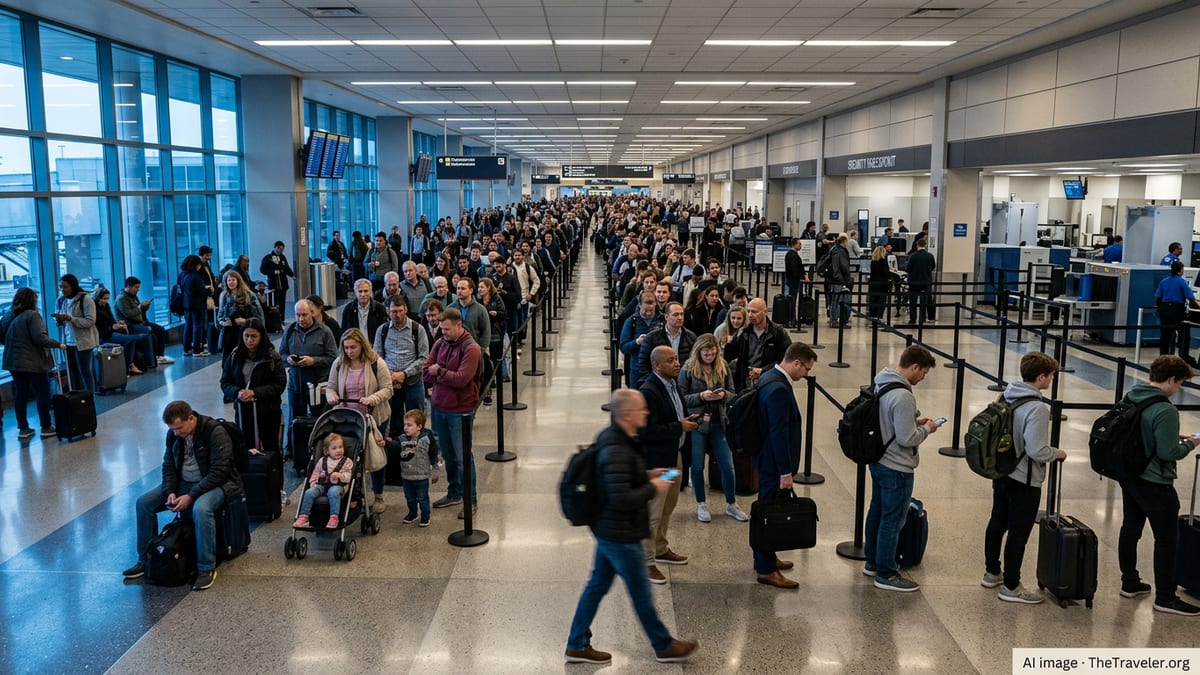
General strike on 11 November set to hit transport networks
Publicly available UK government travel advice for Spain, updated in recent days, draws attention to a 24 hour general strike called by Spain’s two largest trade union confederations for Tuesday 11 November 2026. The walkout is linked to domestic economic and social policy disputes but is expected to have a direct effect on transport used by visitors.
Coverage in European and UK travel media indicates that the strike has been registered to run from midnight to midnight on 11 November, with participation expected across multiple sectors. Airlines are planning to operate a reduced schedule in line with minimum service rules, while still warning of possible last minute timetable changes.
Reports from Spanish and international outlets suggest that rail, metro and local bus networks are likely to see the most visible impact. In previous nationwide stoppages, long distance and high speed trains operated at sharply reduced frequencies, while regional and commuter services in major cities were cut back and sometimes crowded.
Analysis in specialist travel reports notes that airports may also feel indirect effects if ground handling, security or catering staff join the action. Travellers with departures or arrivals on 11 November are being advised in public guidance to monitor flight status closely and allow extra time to move between city centres and terminals.
Rail and metro disruption extends beyond strike day
The UK warning also reflects wider disruption on Spanish railways that predates the November strike. Information collated from European transport coverage points to a series of technical issues, infrastructure works and recent stoppages that have affected services on busy routes such as Madrid to Barcelona and links serving coastal regions popular with British visitors.
Reports indicate that Spain’s state operator and low cost competitors have revised timetables on some corridors in autumn 2026 to accommodate engineering works and rolling stock maintenance. In practice, this has meant fewer departures at peak times and the risk of short notice platform changes or extended journey times.
Urban mobility has likewise been affected. Local media and travel bulletins describe intermittent industrial action on metro and bus networks in cities including Madrid and Barcelona in the weeks leading up to the general strike, causing slower journeys to and from rail stations and airports during certain hours.
Foreign travel advisories from countries such as Australia and Canada, updated in early November, echo the concerns about rail reliability. These notices recommend that visitors check the status of specific trains before travelling, build in additional transfer time and consider alternative options such as long distance coaches or domestic flights if a route is heavily reduced on strike related dates.
Schengen border checks and new biometric procedures
Alongside industrial action, the disruption warning draws attention to changing border procedures for British nationals entering Spain and the wider Schengen area. The UK government’s Spain advice explains that holders of full British citizen passports are treated as non EU visitors and subject to Schengen entry and exit rules, including limits on the number of days that can be spent in the zone in any 180 day period.
Publicly available information on the European Union’s new Entry Exit System shows that Spain is pressing ahead with the rollout of biometric registration for travellers from non EU countries, including the United Kingdom. News and official guidance indicate that this involves recording fingerprints and a facial image on first entry, in addition to the standard passport check.
Travel industry reports note that the introduction of new kiosks and manual checks has led to longer queues at some Spanish airports during busy periods, particularly when large numbers of passengers arrive from the UK and other non EU states at the same time. Experiences described in public forums and media coverage vary, with some passengers clearing the border in minutes and others reporting much longer waits during peak arrivals.
The UK advisory points out that any delay at Spanish border control can have knock on effects for connecting journeys and onward domestic transport. Travellers who have tight connections from international flights to trains, ferries or internal flights may be more exposed if queues lengthen temporarily as the system beds in.
Weather risks and wider European security alerts
The current warning for Britons heading to Spain comes against a backdrop of unsettled autumn weather and isolated security alerts across Europe. Meteorological data for early November shows that a sequence of Atlantic storms has brought heavy rain and high winds to parts of Spain, leading to localised flooding and temporary disruption to roads and rail lines in certain regions.
Reports carried by European news agencies describe episodes in which adverse weather has prompted short term airport diversions or delays, particularly when strong crosswinds or thunderstorms have affected key hubs. While these events are seasonal and not unique to 2026, they add an additional layer of uncertainty for travellers during an already challenging travel week.
Separate coverage of a wave of hoax bomb threats affecting flights and other infrastructure across several European countries in early November notes that aviation authorities have responded with temporary security measures, including extra screening and precautionary holds on some services. There is no indication from current public information that Spain is facing a specific targeted threat beyond these general disruptions.
UK and international travel advisories stress that while such incidents are disruptive, they remain relatively rare and most flights continue to operate. However, they can lengthen time spent in terminals or require last minute re routing, reinforcing official recommendations that travellers keep contact details for their airline or tour operator readily available and monitor live updates on departure days.
Practical steps for UK travellers in the coming days
Travel organisations and consumer bodies cited in media coverage are urging Britons heading to Spain around 11 November to focus on practical preparation rather than cancelling trips outright. The main emphasis in public guidance is on checking itineraries, understanding rights and building flexibility into plans.
Consumer information from European passenger rights centres highlights that under EU rules, air and rail passengers affected by strike related cancellations or long delays may be entitled to rerouting, refunds and, in some cases, care such as meals and accommodation. The exact entitlements depend on the circumstances and whether an airline or operator can argue that the disruption was caused by extraordinary events outside its control.
For those travelling on the strike day itself, reports recommend allowing significantly more time than usual to reach airports or major stations by public transport, and considering backup options such as licensed taxis if local services are reduced. Travellers with mobility needs are advised in public information to contact transport providers in advance to confirm what assistance will be available if services are disrupted.
Guidance derived from official border and security publications also stresses the importance of ensuring that passports are valid and compliant with Schengen rules, carrying any required supporting documents such as proof of accommodation and onward travel, and staying alert to announcements at stations and terminals. With Spain remaining one of the most visited destinations for British holidaymakers, the latest UK warning frames the coming week as a period for extra vigilance and forward planning rather than a barrier to travel.