


More news on this day
The United Kingdom has revised its travel advice for the United Arab Emirates, highlighting renewed regional tensions linked to the latest US Iran confrontation and urging British travelers to remain vigilant while visiting or transiting through the Gulf state.
Get the latest news straight to your inbox!
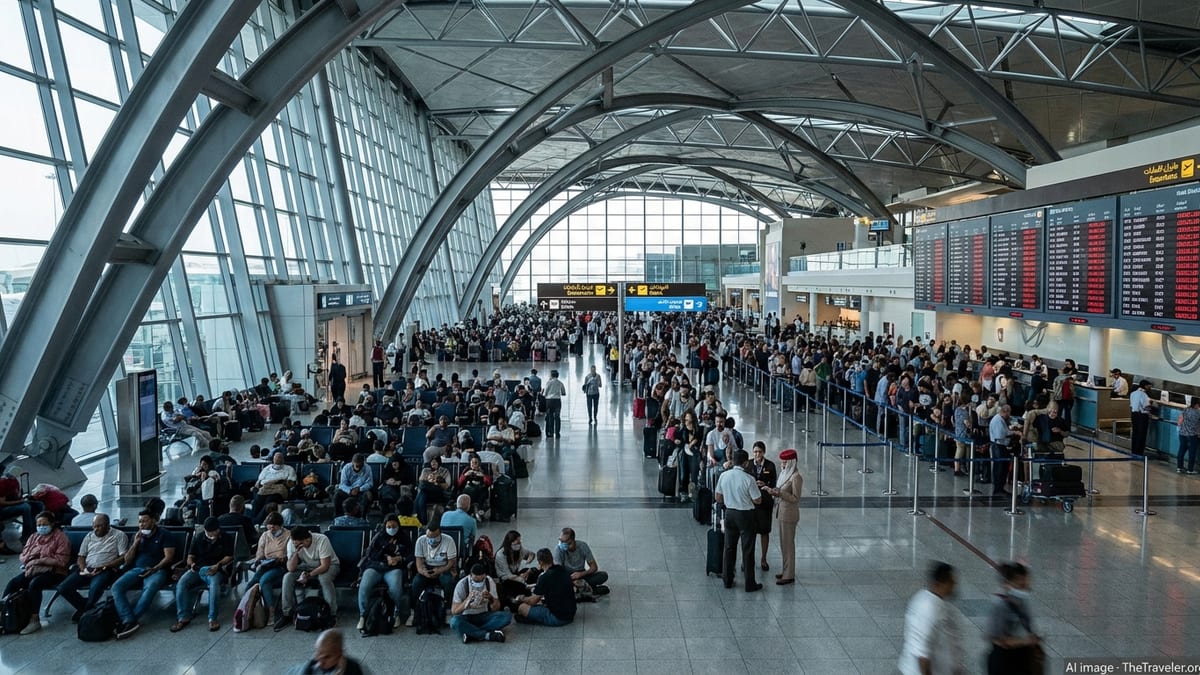
Fresh update to UK guidance for UAE trips
According to publicly available information on the UK Foreign, Commonwealth and Development Office (FCDO) website and regional media coverage, the latest update to the United Arab Emirates travel page was issued on 14 July 2026. The revision follows a fresh spike in hostilities involving Iran and US forces, as well as missile and drone incidents affecting nearby Gulf states.
The core advice continues to permit travel to the UAE, but it stresses that the wider regional security situation remains unpredictable. Language in the advisory underlines that no destination can be guaranteed safe and that risks can change at short notice, particularly in connection with renewed conflict in and around the Strait of Hormuz.
Earlier this year, the UK had moved from advising against all but essential travel to the UAE to a more permissive stance as airspace and flight schedules gradually stabilised. The latest revision keeps that more flexible posture in place, while adding stronger wording around situational awareness, contingency planning and the possibility of rapid deterioration in the regional environment.
The guidance is part of a rolling series of FCDO updates across the wider Middle East, reflecting shifting assessments of missile and drone activity, maritime security and the impact of military operations on civilian aviation and tourism.
Regional tensions drive renewed caution
The change in travel advice comes amid a new phase of confrontation across the Gulf. Recent days have seen intensified US strikes on Iranian military infrastructure after further attacks on commercial shipping, alongside reports of Iranian missile and drone launches that have affected several neighbouring states.
Statements published by Gulf governments, including the UAE Ministry of Foreign Affairs, in mid July condemned renewed Iranian attacks on Bahrain and Jordan and referred to hostile actions targeting multiple states in the wider region. While the UAE itself has not been the main focus of the latest strikes, officials there have framed the situation as a serious threat to regional stability.
European partners have echoed those concerns. A joint declaration by the UK, France and Germany earlier in July referred to Iranian attacks in and around the Strait of Hormuz and called for the rapid restoration of safe and secure commercial shipping through the waterway. The document reiterated support for Gulf partners and highlighted the risk that further escalation could spill over into a broader regional conflict.
These developments feed directly into the UK government’s risk calculus for nationals in the UAE, a key aviation and logistics hub that sits close to several active fronts and vital maritime chokepoints.
What the updated advice means for UK travelers
The revised FCDO advice does not prohibit holidays or business trips to the UAE, and there is no blanket instruction to leave. Commercial flights in and out of Dubai and Abu Dhabi remain in operation, although schedules on some carriers have been adjusted at different stages of the crisis in response to airspace closures and rerouting.
However, British travelers are now being urged via official guidance and wider travel industry circulars to prepare more carefully than usual. Recommendations include checking airline communications regularly for schedule changes, allowing extra time for connections, and ensuring that travel insurance policies provide adequate cover for disruption linked to conflict, airspace closures or security incidents elsewhere in the region.
Publicly available information also highlights the importance of registering with consular services when staying in the UAE for an extended period. This allows the FCDO to send direct updates in the event of a rapid deterioration in the regional security picture, new airspace restrictions or major incidents affecting transport and infrastructure.
Travel sector briefings issued in recent months indicate that some tour operators and corporate travel managers are reviewing their own risk thresholds for itineraries that include stopovers in Dubai or Abu Dhabi. Many are keeping trips in place but adding more flexible booking conditions, encouraging clients to monitor official channels closely and preparing contingency routes that avoid the most exposed parts of the Gulf if necessary.
On the ground in the UAE: calm but watchful
Within the UAE, daily life in major cities such as Dubai and Abu Dhabi continues largely as normal, according to local media and social media discussions among residents and visitors. Shopping malls, beaches, attractions and hotels remain open, and tourism promotion campaigns are still in market.
At the same time, the authorities in the UAE have emphasised preparedness and early warning as central pillars of their domestic security posture. Public information campaigns highlight the country’s alert systems and the role of national crisis management agencies in communicating with residents and visitors if a credible threat emerges.
Travel commentary from regional analysts notes that the UAE’s air defence, civil protection and emergency planning structures were tested during earlier phases of the crisis, when a limited number of missiles and drones reached Emirati airspace. Those experiences appear to inform current contingency plans for any renewed spillover from the present wave of hostilities.
For travelers, the practical impact of this posture is subtle but noticeable in the form of security checks at key facilities, visible policing around major transport hubs and large events, and regular messaging on the value of remaining attentive to official announcements.
Balancing demand for Gulf travel with evolving risk
The UK’s updated advice underscores the delicate balance facing governments and the travel industry as they navigate sustained demand for Gulf tourism against a backdrop of intermittent conflict. Industry research compiled in recent months shows that visitor numbers to the UAE have remained resilient, supported by its role as a global stopover hub and its broad appeal as a leisure and business destination.
Analysts note that risk perceptions can shift quickly when new attacks are reported, especially those involving ballistic missiles or drones, or any threat to busy air corridors. In previous spikes of tension, some international airlines temporarily suspended services or rerouted flights away from sensitive airspace, while others maintained operations with modified flight paths.
With the latest revision to its UAE advisory, the UK appears to be signalling that travel can continue, but only with heightened awareness and preparedness. Travelers are being asked to follow developments in regional news, review the small print of their insurance policies and remain ready to adjust plans if the security outlook worsens.
For now, airports and resorts in the UAE remain open, and bookings for the peak summer and autumn seasons are still being taken. How long that situation endures will depend heavily on whether current diplomatic efforts succeed in containing the US Iran confrontation and preventing the kind of wider regional escalation that could force another, sharper tightening of official advice.