


More news on this day
UK holidaymakers bound for some of Europe’s favourite summer hotspots are being urged to reconsider or adjust their plans as an intense heatwave triggers weather alerts, wildfire risks and transport disruption across the continent.
Get the latest news straight to your inbox!
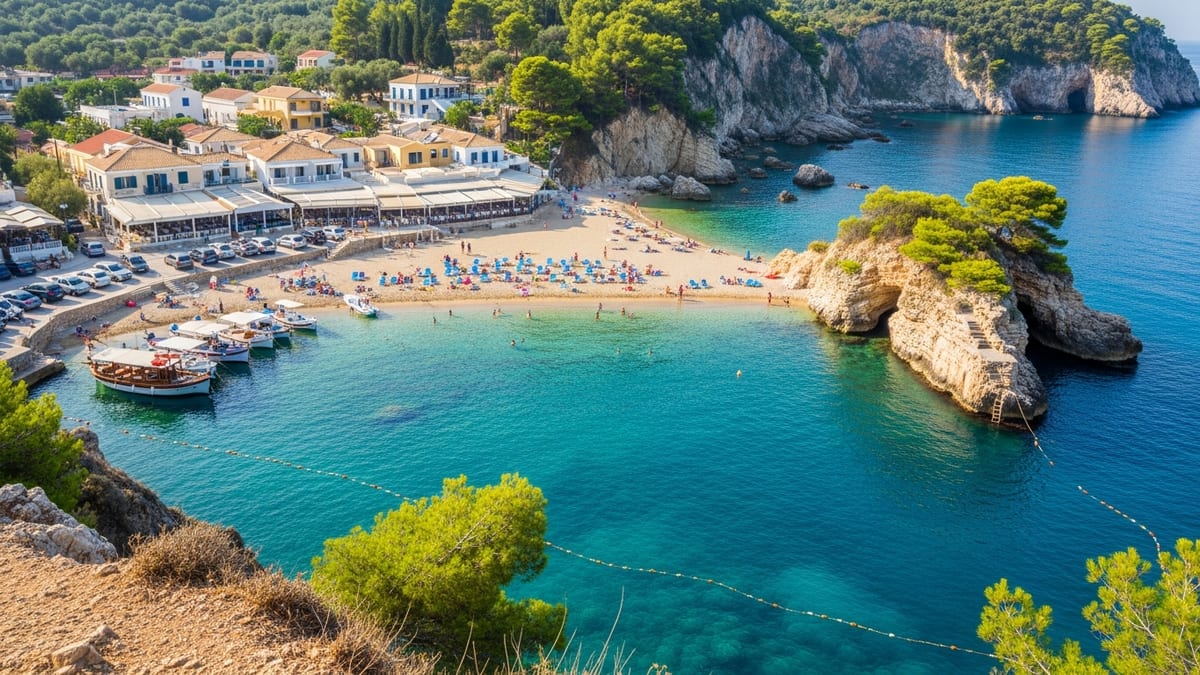
Extreme temperatures grip key Mediterranean hotspots
Weather services and media reports across Europe indicate that temperatures are once again climbing towards or beyond 40C in several popular holiday regions, including parts of Spain, Italy, Greece and southern France. National meteorological agencies have issued a mix of yellow, orange and red heat alerts, warning of a heightened danger of heat-related illness, particularly for older travellers, young children and those with underlying health conditions.
Coverage from outlets including Euronews describes iconic attractions in France and elsewhere shortening opening hours or closing temporarily as forecasters flag a renewed surge of heat. Authorities in major cities such as Paris and Rome have activated heat response plans, with shaded rest areas, misting points and additional medical support in place at busy tourist hubs.
The latest heatwave follows a succession of record-breaking summers in southern Europe, where climate scientists say exceptionally high temperatures and prolonged dry spells are now significantly more likely than in previous decades. Analysts note that this year’s pattern is particularly disruptive because it arrives early in the main holiday season, catching many travellers with long-booked trips that are harder to move or cancel at short notice.
Travel risk experts point out that even when flights and accommodation remain operational, extreme heat can sharply limit what visitors are realistically able to do. Sightseeing on foot during peak afternoon hours, queuing outdoors for attractions or taking part in strenuous activities such as hiking can quickly become unsafe when temperatures approach the high 30s or above.
Wildfire risk and local disruption add to concerns
Alongside the immediate health risks of high temperatures, attention is turning to the potential for wildfires in drought-stressed landscapes. Recent seasons in Greece, Spain and parts of the eastern Mediterranean have seen resorts temporarily evacuated and roads closed as flames approached populated areas. Publicly available information from local civil protection agencies this week again highlights elevated fire danger in several coastal and inland regions popular with UK visitors.
News outlets in Cyprus and Greece are reporting fresh advisories about fire safety near forests and scrubland, with tourists urged not to use barbecues, discard cigarettes or park vehicles on dry grass. In previous years, similar conditions have led to rapidly spreading blazes that disrupted holiday traffic, damaged infrastructure and, in some cases, required emergency accommodation for displaced visitors.
Experts caution that wildfire impacts can extend beyond the immediate fire zone. Smoke and poor air quality have, in past summers, led to the temporary suspension of outdoor events and visibility issues for road and sea transport. Even where hotels and beaches remain open, thick smoke can significantly affect air-sensitive travellers, including those with asthma or cardiovascular conditions.
Insurance specialists note that policies vary in how they treat wildfire and extreme heat disruption. Some comprehensive packages may cover additional accommodation or rebooking costs when local authorities order evacuations, while others class heat-related changes as a “disinclination to travel.” Travellers are being encouraged to read policy wording carefully before deciding whether to continue, curtail or delay a trip.
Rail and air passengers told to review itineraries
The latest warnings are not confined to conditions in resort areas. Transport operators across Europe are adjusting schedules to cope with heat effects on infrastructure and safety. According to trade publication reports, Eurostar has cancelled direct services between the UK and the Netherlands up to and including 2 July after fire damage to tracks near Rotterdam. The operator is using diversionary routes for some trains, lengthening journey times and reducing available seats.
Passengers booked on affected services have been advised through public statements and email alerts to postpone or cancel plans where possible, as capacity for rebooking is limited. Travel industry coverage notes that some customers are being offered refunds or alternative dates, but warn that onward connections, such as hotel stays or separate rail tickets, may not be automatically covered.
Elsewhere, domestic rail in the UK and continental Europe is experiencing precautionary speed restrictions during the hottest periods of the day to reduce the risk of track buckling. British rail operators have used previous heatwaves to remind customers that services may be reduced and journey times extended when temperatures spike, urging travellers to carry water, check live timetables and avoid non-essential travel on the hottest days.
Aviation analysts say airports are more resilient than rail to high temperatures but can still face knock-on disruption. Busy hubs in Spain, Italy and Greece have periodically experienced delays in recent summers when ground operations slowed for staff safety or when thunderstorms formed on the fringes of heat domes. Travellers have been advised to allow extra time for transfers and to keep airline apps or notification services switched on for last-minute gate or schedule changes.
Foreign travel advice urges flexibility and preparation
The UK’s official foreign travel advice service continues to monitor conditions in popular holiday destinations, updating guidance when local authorities raise alert levels or declare states of emergency. While general travel advice for many European countries currently remains at standard levels, advisories increasingly highlight seasonal risks related to heat, wildfire and sudden storms.
Industry bodies representing UK tour operators say they are closely tracking updates from national meteorological services and local governments. Where hotels, excursion providers or attraction operators change opening hours or suspend activities due to weather, package holiday companies may be required to offer alternative arrangements. However, consumer advocates caution that travellers who have booked elements independently often have less automatic protection and may need to negotiate directly with airlines and accommodation providers.
Public information from travel trade associations also stresses the importance of following local signage and instructions in resort areas. In recent seasons, some beaches, hiking trails and archaeological sites in southern Europe have introduced temporary closures or time slots to prevent overcrowding and limit exposure during peak heat. Visitors who ignore these restrictions risk fines and may invalidate elements of their travel insurance.
Health agencies across Europe continue to promote simple but vital precautions, including staying hydrated, seeking shade during the hottest hours, using high-factor sunscreen and checking on vulnerable companions. UK travellers are being reminded that standard European Health Insurance arrangements do not remove the need for comprehensive travel insurance to cover private medical costs, medical repatriation and extended hotel stays if someone falls ill.
Cooler alternatives and timing shifts gain momentum
The succession of extreme heat events in traditional sunbelt destinations is already influencing how some UK tourists plan their holidays. Recent travel trend reports suggest a rise in so-called “coolcations,” with more visitors opting for northern Europe and Atlantic-facing destinations, including Ireland and parts of Scandinavia, during peak summer months. Tourism organisations in these regions have reported strong early-season arrivals for 2026, attributing part of the growth to travellers actively seeking milder conditions.
Data from European tourism bodies also point to a gradual shift away from late July and August towards shoulder-season travel in May, June and September, when temperatures may be more manageable. Industry analysts say this pattern is particularly noticeable among families with flexible school arrangements and among older travellers who are less tied to traditional peak weeks.
Climate researchers and tourism planners argue that such adjustments are likely to become more common as climate change drives further weather volatility. They note that destinations reliant on outdoor sightseeing and beach tourism may need to rethink opening hours, shade provision and emergency planning, while visitors build in more flexibility to change activities or move locations at short notice.
For UK travellers heading abroad in the coming weeks, the strongest message emerging from publicly available guidance is to stay informed and be ready to adapt. That can mean shifting excursions to cooler times of day, breaking up long rail journeys, choosing air-conditioned accommodation, or, in some cases, postponing travel to the hottest and most fire-prone areas until conditions ease.