


More news on this day
British holidaymakers heading for some of Europe’s most popular sun destinations are being warned to brace for queues of up to six hours at passport control, as early rollout problems with the European Union’s new biometric Entry-Exit System cause disruption at Lisbon, Faro, Alicante and Lanzarote airports.
Get the latest news straight to your inbox!
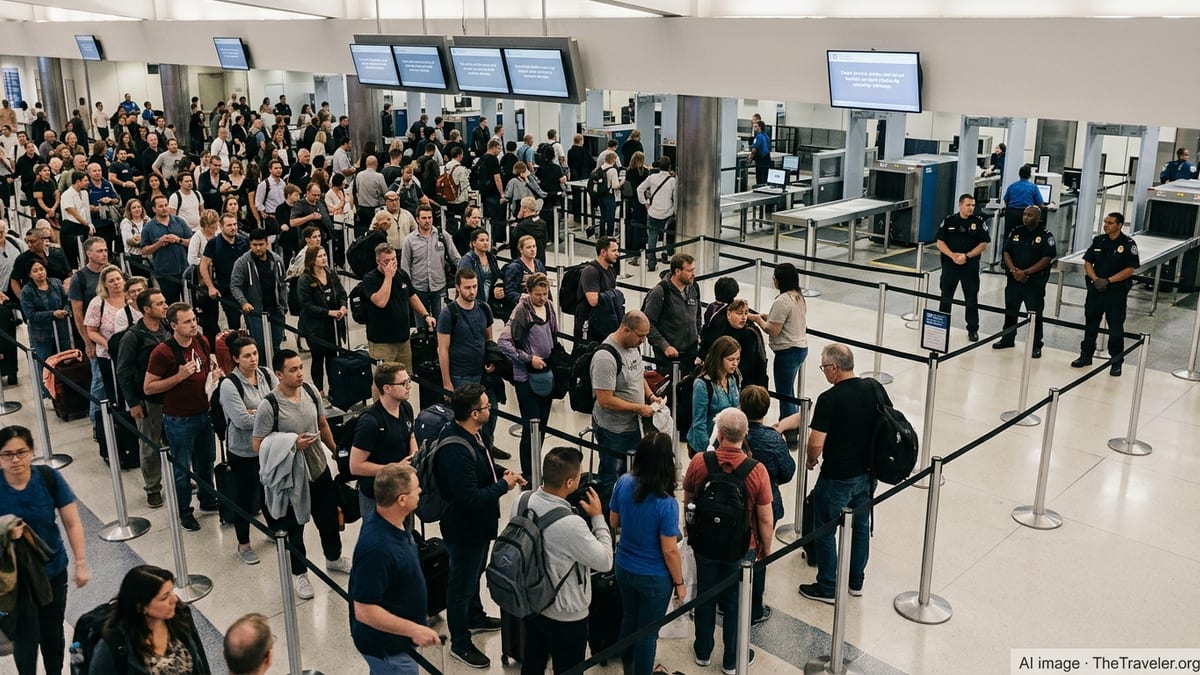
Early summer trips meet peak-season style queues
Recent travel reports from Portugal and Spain describe long, slow-moving lines at border control as the new Entry-Exit System, or EES, is phased in ahead of the main school holiday rush. The longest delays are being linked to flights arriving from the United Kingdom and other non-EU countries, where passengers must complete fresh biometric checks on first use of the system.
Coverage from regional media in both countries indicates that passport queues at Lisbon and Faro in Portugal, and Alicante and Lanzarote in Spain, have periodically stretched to several hours during busy arrival banks. Warnings aimed at passengers using Essex and other UK airports to reach these hubs have highlighted the risk of waits reaching five to six hours when multiple flights land at once and all third-country nationals require registration.
Travel industry commentary across Europe suggests that these problems are not limited to one or two airports, but are being felt most acutely at popular leisure gateways where terminal layouts and staffing levels were already under pressure. Analysts note that Lisbon, Faro, Alicante and Lanzarote combine high volumes of short-haul leisure traffic with a particularly strong reliance on UK visitors, magnifying the impact as EES moves from trials into full operation.
How the Entry-Exit System is changing border checks
The Entry-Exit System is an EU-wide scheme designed to replace manual passport stamping with a digital register of non-EU visitors entering and leaving the Schengen area. According to publicly available information, the process records a traveller’s identity, passport details, facial image and fingerprints at the border crossing, and then logs subsequent entries and exits against that file.
In theory, EES is intended to speed up crossings and tighten security once travellers are fully enrolled. In practice, early reports from airports in Spain, France and Portugal suggest that first-time registrations are taking several minutes per person, resulting in bottlenecks when aircraft arrive full of passengers needing new biometric captures on the same day.
Industry briefings and explanatory guides indicate that British citizens are treated as non-EU nationals under the scheme, alongside visitors from the United States and other countries outside the Schengen bloc. For large UK-focused resorts such as the Algarve, Costa Blanca and Canary Islands, that status change means a significant share of arrivals now require extra processing compared with the pre-Brexit era, particularly at the start of the holiday season when many travellers are being enrolled for the first time.
Lisbon, Faro, Alicante and Lanzarote under the spotlight
Lisbon Airport, Portugal’s main international gateway, has already been the subject of repeated coverage over the past year for long passport lines during EES testing and partial rollouts. Reports from Portuguese outlets this month describe further disruption as full biometric checks resume for larger numbers of non-EU arrivals, although some recent commentary also points to incremental improvements as staff become more familiar with the technology and passenger flow is adjusted.
At Faro, the principal airport for the Algarve, local tourism-focused commentary has flagged EES as a key concern for summer 2026, with business groups warning that queues at peak times could damage the region’s reputation among repeat visitors. UK travellers account for a substantial share of Faro’s traffic, raising the risk that slow processing of first-time EES registrations could spill over into missed transfers, delayed hotel check-ins and pressure on airport facilities.
On the Spanish side, Alicante on the Costa Blanca and Lanzarote in the Canary Islands have emerged in recent days as particular pinch points for UK holidaymakers. Regional news reports and traveller testimonies describe cases of passengers queueing for several hours to clear border control, especially on days when multiple UK flights arrive back-to-back. Social media accounts and forum posts referenced in local coverage speak of families with young children caught in line well beyond typical waiting times.
Aviation and border specialists quoted in the European press point to a combination of factors behind the difficulties at these four airports, including older terminal layouts, limited space for additional biometric kiosks, and the practical challenge of rapidly scaling staff numbers for a new, more complex process at the very start of the summer season.
Growing concern among UK travellers and tour operators
Survey data released in recent weeks by travel providers and booking platforms suggests that a sizeable share of UK travellers are now actively worried about EES-related delays. One poll highlighted in European travel press found that a significant minority of British holidaymakers were considering switching to non-Schengen destinations because of the prospect of long border queues, with others planning to avoid peak travel dates.
UK-based travel trade bodies have used public statements and open letters to underline the risk that persistent disruption could deter visitors from established favourites such as Portugal and Spain. Industry leaders argue that if bottlenecks continue into July and August, they could translate into reduced demand and lost income for resorts that rely heavily on British tourism, particularly at airports already reporting queues running to several hours.
Online travel guides and consumer advice columns have responded by urging passengers to arrive at their UK departure airports earlier than usual and to factor extra time into arrival plans at European gateways, especially where onward connections or tight transfer windows are involved. Some airlines have begun updating customer communications to reflect the new procedures, advising travellers that first-time EES registration may lengthen the time needed to clear border control.
Calls for temporary fixes as peak season approaches
Across the EU, senior border officials and travel industry representatives quoted in recent coverage have warned that EES-related queues could persist for many months, and possibly years, while airports adapt infrastructure and training to the new system. Comments from European border agency figures suggest that some countries are “struggling” more than others with the rollout and that the summer peak will be a major test of current arrangements.
In response, various trade associations and tourism bodies in Portugal and Spain are publicly urging governments to deploy short-term measures at busy leisure hubs such as Lisbon, Faro, Alicante and Lanzarote. Proposals reported in local media include temporary staffing surges at passport control, more flexible use of e-gates where compatible with the new system, and, in extreme circumstances, pausing full biometric checks at certain times of day to prevent waiting times from escalating further.
For now, UK holidaymakers heading to these destinations are being advised to monitor airline and airport updates closely, build generous buffers into their travel plans and be prepared for a slower, more procedural border experience than in previous summers. As the EES rollout continues, the coming weeks will show whether operators at Europe’s busiest sun gateways can keep queues under control or whether reports of six-hour delays become a recurring feature of the 2026 holiday season.