


More news on this day
A recent tightening of UK travel advice for Bahrain is rippling through the world of Formula 1, raising fresh questions over the safety, insurability and ethics of staging high-profile Gulf races in a region affected by conflict and longstanding human rights concerns.
Get the latest news straight to your inbox!
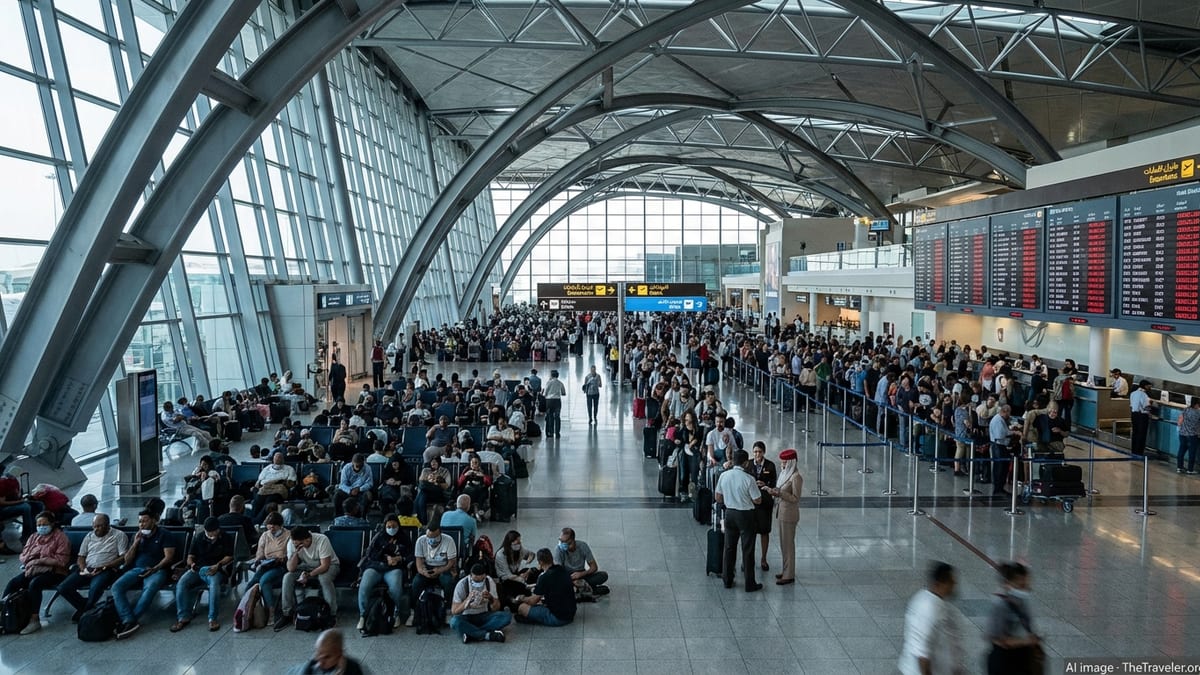
UK Advice Highlights Security Risks Around Bahrain Circuit
The UK Foreign, Commonwealth & Development Office currently advises against all but essential travel to Bahrain, citing the wider security situation in the Gulf and the risk of regional spillover from conflict involving Iran and Western forces. The advisory, updated in late October 2026, urges British nationals to avoid areas where protests or clashes could occur and to monitor developments closely.
The British guidance sits alongside similar notices from other governments. Travel advisories from the United States, Australia, Canada, Germany and Ireland all point to an unpredictable security environment, with references to demonstrations, localised unrest and the potential for attacks on infrastructure in Bahrain and neighbouring states. Several of those notices explicitly warn travellers to avoid protest sites and to be prepared for sudden transport disruption or tightened security checks.
While none of the official advisories single out Formula 1 by name, the Bahrain International Circuit lies within a country whose airspace and critical facilities have been referenced in recent aviation and security updates. Ireland’s foreign ministry has drawn attention to a July 2026 alert from the EU Aviation Safety Agency advising airlines to avoid parts of the airspace over Bahrain and nearby Gulf waters, underlining how quickly operating assumptions for travel can change.
For British-based teams, suppliers and fans, the shift to an “all but essential travel” line in UK guidance is particularly significant. Publicly available insurance commentary and specialist travel-risk analysis indicate that many corporate policies link cover to national travel advisories, raising the possibility that a continued elevated warning could complicate any attempt to return Formula 1 to Bahrain while current conditions persist.
F1 Calendar Pressures After 2026 Gulf Disruptions
Bahrain has been a fixture of the Formula 1 calendar since 2004 and has often opened the season. However, the 2026 Bahrain Grand Prix was removed from the schedule following an escalation of hostilities between Iran and the United States and related security concerns in the Gulf. Reference material on the championship’s recent seasons notes that organisers judged the environment unsafe for teams and spectators, reflecting how geopolitical shocks can override commercial commitments.
The upheaval in Bahrain followed similar disruption elsewhere in the region. The 2026 Saudi Arabian Grand Prix in Jeddah was cancelled in March 2026, again in the context of the Iran–US conflict and questions over airspace safety and the security of large gatherings near potential strategic targets. With both Bahrain and Saudi Arabia off the calendar that year, Formula 1 was forced to reshape its run of early-season and late-season events, increasing reliance on European and Asian venues less directly exposed to the Gulf crisis.
Even where races have proceeded in the past, safety worries have periodically surfaced. Previous seasons saw incidents near Saudi oil infrastructure and missile attacks in wider regional conflicts, prompting some drivers and team staff to express unease about racing close to potential flashpoints. Publicly available archives of fan and specialist commentary show recurring concerns that a single incident affecting a paddock member, travelling fan or local worker could trigger intense scrutiny of risk calculations.
For travel-focused readers, the lesson from these calendar changes is that Gulf race plans are now more vulnerable to last-minute alteration than in the years when Bahrain and Saudi Arabia were seen as predictable stopovers. Airlines, tour operators and ticketing platforms have already had to issue refunds or rearrangements for 2026 trips tied directly to the cancelled races.
Human Rights Campaigners Renew Focus on Gulf Grands Prix
Alongside immediate safety questions, the upgraded UK travel warning has sharpened a parallel debate about human rights in Bahrain and other Gulf hosts. Human rights organisations have documented restrictions on political opposition, prosecutions of protesters and alleged mistreatment of detainees in Bahrain, describing a pattern that predates the recent conflict.
In March 2026, Human Rights Watch urged Formula 1 and the sport’s governing body to apply stronger human rights due diligence to all race contracts, highlighting Bahrain, Saudi Arabia and Qatar as particular flashpoints. The organisation pointed to what it called a risk of “sportswashing,” with governments using major events to project an image of modernity while critics face repression. Similar concerns have been raised in earlier reports and briefing papers by legal scholars and advocacy groups examining the sport’s expansion into the Gulf.
Campaigners have used the UK link to press their case. A long-running complaint submitted to the UK National Contact Point for the OECD Guidelines has alleged that the Bahrain Grand Prix was organised in ways inconsistent with responsible business conduct, including years when protests and security crackdowns coincided with race weekends. Parliamentary material from London records cross-party calls for closer scrutiny of how a UK-headquartered championship manages risks tied to events in states with contested human rights records.
Public communications from Formula 1 have pointed to a human rights policy and contractual clauses with race promoters as safeguards, and recent seasons have seen messaging initiatives framed around diversity and inclusion. However, rights groups argue that these measures have not fundamentally altered conditions on the ground in Bahrain or Saudi Arabia, and the current UK travel posture is being cited as further evidence that the environment around the Gulf races remains volatile.
Insurance, Liability and What It Means for Travelling Fans
The UK advisory also has practical consequences for supporters planning to travel to future Gulf races if and when they return to the calendar. Travel industry guidance notes that when a government advises against all but essential travel, many standard insurance policies limit or withdraw cover for leisure trips. This can affect medical expenses, evacuation support and cancellation protection for those who choose to go regardless of official advice.
Specialist brokers indicate that some policies can be upgraded to include destinations under heightened warning, but this typically comes with higher premiums and more restrictive terms. Travellers may be required to prove that they are closely following official safety guidance and to accept exclusions related to conflict, terrorism or civil unrest. For teams, broadcasters and hospitality providers, corporate risk managers may insist on detailed security assessments and contingency plans before approving deployments to affected locations.
Logistics are another pressure point. The EU aviation safety alert referencing Bahrain’s airspace and the wider Gulf has made route planning more complex for airlines and charter operators moving personnel and freight for major events. Detours to avoid sensitive zones can add flight time and cost, and carriers may adjust schedules or equipment at short notice in response to new information from regulators.
For now, major tour operators specialising in Formula 1 travel have shifted emphasis toward venues with fewer security caveats, while closely watching official updates on Bahrain and Saudi Arabia. Many advise customers to book flexible tickets, check the wording of cancellation policies and monitor both race announcements and home-country travel advisories in the weeks leading up to any planned Gulf trip.
Formula 1’s Long-Term Balancing Act in the Gulf
The UK travel warning has added a fresh layer of complexity to Formula 1’s relationship with Bahrain and other Gulf states, where long-term contracts and substantial hosting fees have become a central part of the sport’s financial model. Bahrain’s agreement to host races through the mid-2030s, combined with multi-year deals in Saudi Arabia and Qatar, reflects a strategy of anchoring the calendar in markets prepared to invest heavily in new circuits and infrastructure.
At the same time, the combination of security risk, political criticism and human rights scrutiny has turned those same venues into a recurring flashpoint for debate about the direction of the championship. Commentaries on sports governance in the United Kingdom and Europe increasingly cite the Gulf races as test cases for how international federations apply their own ethical codes and risk policies when faced with lucrative but contentious partnerships.
How the sport responds to the current phase of heightened warning will influence not only immediate travel decisions but also perceptions of Formula 1’s long-term priorities. A sustained period of elevated advisories could prompt calendar reshuffles or the development of alternative venues as backups for early-season and end-of-year slots traditionally held by Bahrain and its neighbours.
For now, publicly available information suggests that teams, fans and travel providers are in a holding pattern, tracking both geopolitical developments and official advice. With the UK and other governments signalling caution on travel to Bahrain, the question of whether high-profile Gulf races can proceed without inviting renewed scrutiny has become central to the broader conversation about how and where Formula 1 chooses to race.