


More news on this day
A luxury U.S. residential cruise ship that sold long term “floating homes” on a multiyear global voyage has suspended operations in Cambodia because of soaring fuel costs, leaving 203 passengers unexpectedly disembarking in the coastal city of Sihanoukville.
Get the latest news straight to your inbox!
Three year world voyage cut short in Sihanoukville
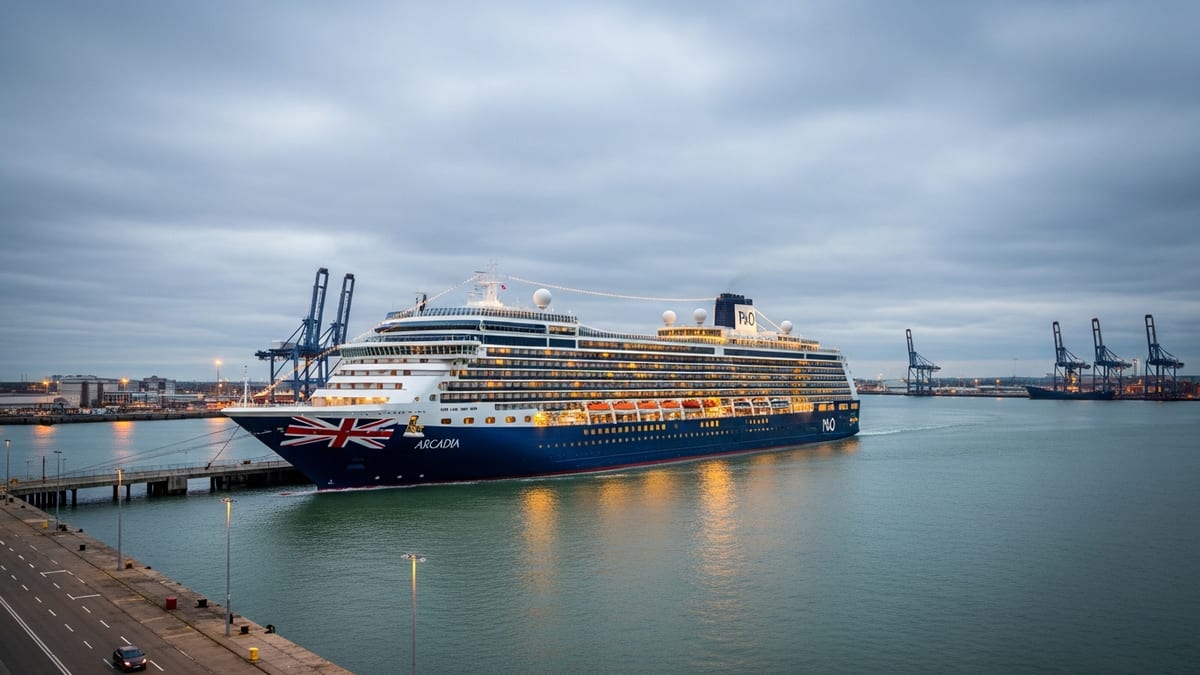
The MV Odyssey, operated by U.S. based company Villa Vie Residences, arrived in Sihanoukville on Wednesday, October 28, where passengers were informed that the ship’s three year around the world journey would not continue. Publicly available information indicates that the ship had been marketed as an “endless” or multiyear world cruise, with cabins sold as residential units rather than conventional cruise staterooms.
Cambodian officials and published reports state that 203 passengers, mostly from the United States, and 156 crew members were on board at the time of the decision. The vessel, built in 1993 and refitted for residential cruising, has a capacity of about 650 passengers, meaning only a fraction of its berths were occupied when the voyage was halted.
According to company statements cited in news coverage, the operator blamed escalating fuel prices linked to the wider energy shock following the war in Iran. The cruise began two years ago with an itinerary advertised to span all seven continents, but rising operating costs appear to have outpaced the project’s original financial assumptions.
The Odyssey entered what shipping observers describe as lay up in Sihanoukville, effectively taking the ship out of regular commercial service while the company evaluates its options. Industry tracking data shared in maritime forums suggests the vessel had covered more than 35,000 nautical miles in the past 12 months before being withdrawn from its route.
Rising fuel prices squeeze an experimental cruise model
The halt in Cambodia has highlighted how vulnerable residential style cruising can be to swings in fuel prices. Cruise operators typically hedge or adjust itineraries when energy costs rise, but Villa Vie’s business model depended on relatively stable monthly charges paid by residents who had purchased long term stays on board.
In interviews published by international broadcasters, company representatives said monthly fuel expenses per cabin had climbed several-fold during the ship’s passage through Asian waters in 2026. They argued that matching those cost increases with higher charges to residents would have made the voyage unaffordable for many, yet absorbing them at company level proved unsustainable.
Broader cruise industry filings show that fuel is already one of the largest line items for conventional lines, and that operators have warned regulators and investors for years that sharp increases in marine fuel prices could disrupt itineraries or depress demand. The Odyssey case has become a highly visible example of that risk, because the ship was sold not as a typical holiday but as a semi permanent lifestyle choice.
Analysts following the sector note that residential cruises carry additional complexity: passengers may sign multi year contracts, invest in furnishing their cabins and plan future travel around the ship’s projected locations. When an operator suspends operations mid voyage, the impact on those residents can resemble the abrupt closure of a housing development as much as a cancelled vacation.
Passengers face scramble for housing, flights and visas
For the 203 passengers told to leave the Odyssey in Sihanoukville, the immediate challenge has been arranging where to stay and how to travel onward. Accounts shared in media coverage and online postings describe passengers being transported from the port to hotels in town, with many then searching for international flights at short notice.
Cambodia allows many nationalities, including U.S. citizens, to enter on short stay tourist visas, but those arrangements are not designed for hundreds of travelers suddenly disembarking from a ship whose voyage has effectively ended. Travel agents in the region report a spike in last minute bookings from Sihanoukville and Phnom Penh as affected passengers try to reach hubs such as Bangkok, Singapore or Seoul to connect with flights home.
Some travelers had joined the voyage with the expectation of remaining on board for years and had wound down leases or sold homes before embarking. Public posts from residents describe anxiety over the cost of unexpected hotel nights, new flights and the question of how much of their original investment might be recoverable if Villa Vie restructures or enters formal insolvency proceedings.
There have also been complaints from passengers who were off the ship on excursions when the decision was announced, with reports that some struggled to return in time to retrieve all of their belongings. Social media discussions among residents indicate that coordination of disembarkation, luggage handling and local transportation in Sihanoukville varied, leaving some feeling abandoned by the operator.
Operator signals restructuring as legal questions loom
Villa Vie Residences has said in public statements that it will spend the next 60 days examining recapitalization and restructuring options, while acknowledging that there is no guarantee operations will resume. Coverage in U.S. and European outlets notes that the company has characterized the suspension as a response to extraordinary fuel costs rather than a permanent shutdown, but has simultaneously warned that current contracts with residents may need to be renegotiated.
Legal specialists following the case point out that passengers on residential cruises occupy a hybrid position: part tourist, part long term tenant. Many bought into the Odyssey concept by paying substantial up front sums for cabin rights, with some packages reportedly costing more than 200,000 dollars. Determining whether they are treated primarily as consumers, investors or leaseholders could influence their rights in any future bankruptcy or restructuring process.
Jurisdictional questions add another layer of complexity. The ship operates under one flag state, the company is incorporated in the United States and passengers come from several countries, while the suspension of the voyage has occurred in Cambodian waters. Disputes over refunds, ongoing maintenance fees and responsibility for repatriation may therefore touch multiple legal systems.
Consumer advocates interviewed in published reports argue that the episode underscores the need for clearer protections for travelers who commit to long duration cruises, including requirements for financial guarantees that can be used to bring passengers home if an operator fails. At present, rules vary widely between markets, and residential cruise projects often fall between traditional maritime and real estate regulations.
Implications for long term and residential cruising
The Odyssey’s abrupt stop comes at a time when several companies have been promoting multi month and residential style voyages as a new frontier in cruising. These offerings target retirees, remote workers and travel enthusiasts willing to live at sea for extended periods, often marketing the lifestyle as an alternative to conventional urban housing.
Industry watchers say the situation in Cambodia may prompt would be residents to scrutinize financial disclosures, contingency plans and refund policies more closely before committing. Prospective passengers are being advised in travel forums to look for evidence of fuel price hedging, sufficient working capital and clear provisions for what happens if a voyage is cut short due to operational or geopolitical shocks.
For destinations such as Sihanoukville, the sudden arrival of hundreds of displaced passengers also illustrates how global travel disruptions can land on local communities. Hotels, transport providers and tour operators in the Cambodian port city have moved quickly to accommodate the influx, but many of those businesses are now handling guests who did not plan to be there and may have limited budgets after investing heavily in life at sea.
While Villa Vie considers its next steps, other cruise lines are watching how travelers and regulators respond. If confidence in residential cruising weakens, companies may delay or scale back similar projects until there is greater clarity on how to shield passengers from the financial and logistical shock that those aboard the MV Odyssey are experiencing in Cambodia.