


More news on this day
UK passengers heading to the airport this summer are being urged to check their bags more carefully, as updated guidance highlights how seemingly harmless everyday items can pose a safety risk on flights.
Get the latest news straight to your inbox!
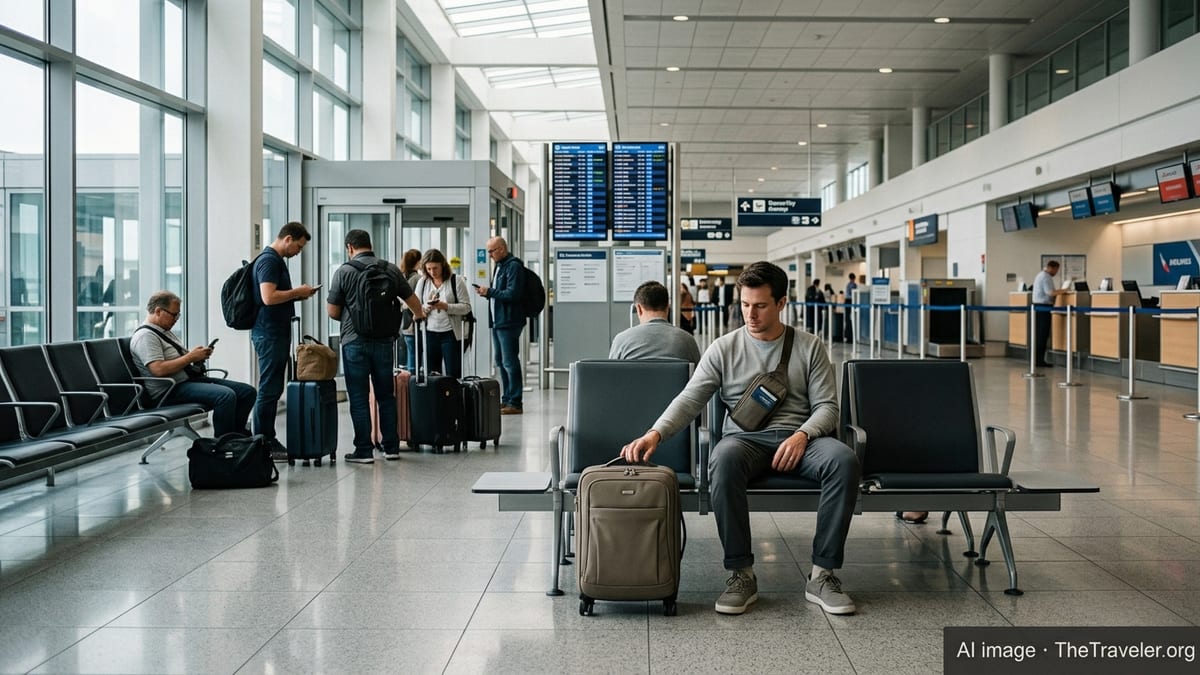
Renewed focus on “ordinary” items that can turn hazardous
Recent coverage in the UK and international aviation sector has drawn attention to how common personal gadgets and toiletries can compromise safety if packed incorrectly. Regulators and airlines are reminding travellers that items such as power banks, e-cigarettes, hair tools and even perfume are treated as potential dangerous goods once they are on board an aircraft.
UK government guidance on hand luggage makes clear that there are strict rules around what can be carried in the cabin or placed in the hold, particularly when it comes to electronic devices and chemicals. Publicly available information shows that passengers are expected to check airline policies before flying, as rules can vary by carrier and route even within the same country.
Industry bodies in Europe and beyond have also stepped up campaigns about the risks posed by lithium batteries, which now power everything from mobile phones to electric toothbrushes and hair straighteners. Safety notices stress that poor packing or damage to these batteries can lead to overheating or fire, which is far more serious in the confined environment of an aircraft.
The renewed emphasis comes as airports and airlines handle a busy summer season, with high passenger volumes increasing the likelihood that a misplaced device or aerosol could cause delays at security or, in the worst case, a safety incident in flight.
Lithium batteries, power banks and smart devices under scrutiny
One of the main areas of concern for regulators is the spread of lithium batteries into almost every aspect of everyday life. Guidance from aviation safety agencies in Europe and international organisations notes that phones, laptops, tablets, e-readers, smartwatches, e-cigarettes, drones, cameras, electric shavers and hair styling tools frequently travel with passengers and must be packed correctly.
Rules published for UK airports indicate that most small personal electronic devices containing lithium batteries can be carried in hand luggage, while spare or loose batteries and power banks generally must not be placed in checked baggage. International recommendations highlight that larger batteries above certain watt-hour thresholds may require airline approval, and very high-capacity models can be completely banned from flights.
Recent advisories point in particular to power banks and vaping devices. Airlines in several markets have updated pre-flight announcements and passenger notices to stress that these items should be kept on the person or in a small bag under the seat, not in overhead bins or checked bags. This is intended to ensure crew can quickly respond if a device overheats or starts to emit smoke.
Safety bulletins also warn against travelling with damaged, defective or recalled batteries. Passengers are encouraged to replace compromised devices before flying, avoid charging gadgets unattended on board and shield exposed terminals on spare batteries using original packaging, plastic sleeves or tape.
Everyday toiletries and cosmetics treated as dangerous goods
Alongside electronics, personal care products are another source of confusion at UK security lanes. While most travellers are familiar with liquid volume limits for cabin baggage, fewer realise that many toiletries are classified as flammable aerosols or contain chemicals that are tightly controlled in aviation rules.
Guidance from regulators and airlines lists hairspray, deodorant sprays, shaving foam, certain sunscreens, perfume and cologne among products that can be carried in limited quantities, subject to caps being fitted and volume restrictions. Even when security technology allows larger liquid containers at some airports, the underlying dangerous goods limits on total aerosol content and flammable liquids still apply.
European safety information highlights that perfume and other alcohol-based fragrances should be stowed away from sources of heat and kept separate from high-energy items such as power banks when possible. Travellers who stock up on duty-free bottles are reminded that these are still flammable liquids and must be transported in line with airline instructions.
Some substances, including strong cleaning chemicals, certain solvents and toxic materials, are outright banned from both cabin and hold baggage. Official UK guidance lists categories of chemicals that cannot travel by air at all, and passengers are urged to check product labels or safety data sheets if they are unsure.
Hair tools, vapes and other “borderline” items
Reports from European aviation bodies indicate that personal grooming tools and smoking alternatives are increasingly involved in security referrals, largely because they combine heating elements with gas or lithium batteries. Curling tongs with gas cartridges, cordless straighteners and rechargeable beard trimmers all fall into regulatory grey areas that depend on their design.
UK guidance notes that gas-powered hair curlers can be carried in both hand and hold baggage provided a safety cover is fitted over the heating element, while spare gas cartridges are tightly restricted. Electric hairdryers and straighteners are usually permitted in either cabin or hold, but those containing integrated lithium batteries are subject to the same rules as other battery-powered devices and are often safer in hand luggage.
E-cigarettes and vapes are another focus. Publicly available airline policies typically allow these only in cabin baggage or on the passenger’s person, with strict bans on use or charging during the flight. Some carriers go further and limit the number of vape devices or spare cartridges that can be taken on board.
Travel coverage in the UK has highlighted cases where small toys with lights, novelty gadgets or unlabelled battery packs have triggered additional checks at security. Aviation agencies advise that if an item contains a battery, heater or flammable gas, passengers should assume special rules apply and consult their airline before packing.
Airlines tighten messaging as summer travel peaks
Airlines operating to and from the UK are responding to updated guidance by reinforcing safety messages through booking journeys, mobile apps and check-in screens. Passenger notices now routinely flag lithium batteries, aerosols and certain chemicals as items that require particular care when packing.
Information from major carriers in the UK market states that spare lithium batteries and power banks must be carried in the cabin, protected from damage and short circuits, and not placed into checked bags even if these are taken at the gate. Some are also advising customers not to leave such items in overhead lockers, so that cabin crew can react quickly if there is a problem.
Regulators and industry groups in Europe are continuing campaigns to educate travellers about dangerous goods, stressing that items which appear harmless at home may behave differently at cruising altitude. Their material encourages passengers to read airline dangerous goods pages, use official tools to check whether an item is allowed and, where necessary, seek clarification from the carrier before travelling.
For British travellers, the message ahead of the peak holiday season is that a quick review of luggage contents can prevent delays at security and reduce the risk of in-flight incidents. Everyday items such as perfume, grooming tools, vapes and portable chargers remain welcome on board in most cases, but only when carried in line with the increasingly detailed safety rules now in place.