


More news on this day
The United Kingdom has tightened its travel guidance across the Middle East and surrounding region, warning of an unpredictable security environment and a high risk of sudden escalation that could disrupt flights, close airspace and limit consular support for British nationals.
Get the latest news straight to your inbox!
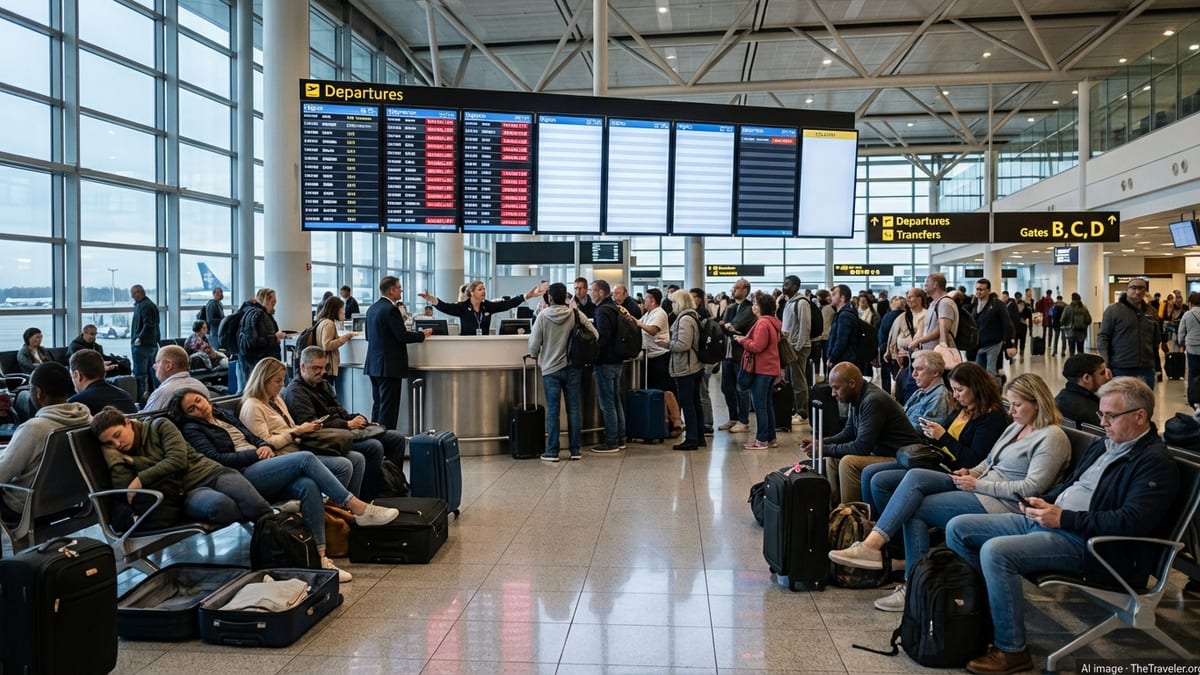
Regional warning extended to 16 destinations
Updated Foreign, Commonwealth & Development Office travel advice issued on 27 October 2026 extends heightened warnings to 16 countries across the Middle East and nearby region, including Turkey, Egypt, the United Arab Emirates, Jordan, Oman, Qatar, Pakistan, Bahrain, Saudi Arabia, Iraq, Yemen, Kuwait, the Palestinian territories, Israel, Syria and Iran. Publicly available summaries of the advice highlight a common message that the wider regional context remains deeply unpredictable and that the risk of sudden escalation is high.
Coverage of the update notes that, while the security picture varies significantly from country to country, the FCDO is drawing attention to the potential for regional spillover effects. These include further missile and drone incidents, retaliatory strikes tied to the ongoing conflict involving Iran, the United States and Israel, and sporadic attacks on civilian and military infrastructure across the Gulf and Levant.
The updated wording now appears in multiple country-specific advisories on the UK government’s foreign travel advice portal. For destinations such as the United Arab Emirates, Israel, Iraq, Syria, Saudi Arabia and others, the regional tensions section stresses that British nationals in or transiting through the Middle East should be prepared for rapidly changing conditions and travel disruption at short notice.
Flight disruption, airspace closures and insurance impacts
The revised guidance places particular emphasis on aviation and transit risks. Government travel pages for several countries in the region state that travellers should be prepared for possible flight cancellations, diversions and airspace closures with little or no warning. The advice urges people to keep travel plans under review, check airport and airline updates frequently and monitor local and international news for new developments affecting key hubs in Dubai, Abu Dhabi, Doha and beyond.
In parallel, the country pages reiterate that travel insurance policies can be invalidated if travellers enter areas where the UK government advises against all travel or all but essential travel. The Iraq, Syria, Yemen and parts of Saudi Arabia advisories already carry long-standing “no travel” or “essential travel only” warnings for specific regions; recent updates, reflected in specialist travel and insurance briefings, underline that anyone choosing to visit such areas may find standard policies offer no cover in the event of conflict-related disruption or evacuation.
Industry advisories circulating since early March 2026, which draw on UK government travel alerts, note that major carriers have periodically rerouted or suspended flights through affected airspace during previous spikes in tension. These documents highlight that even travellers using the Middle East purely as a transit corridor can face extended layovers, last-minute rebookings or enforced stays if air corridors are restricted or airports are temporarily closed.
Heightened risk in specific conflict zones
While the new language on sudden escalation is applied broadly, several destinations remain subject to particularly stringent warnings. The UK’s Syria advisory continues to state that there is advice against all travel due to persistent conflict, the threat of terrorism and the lack of reliable consular support on the ground. The Yemen page similarly warns that security conditions are highly volatile, with conflict, airstrikes and restrictions on movement limiting options for safe arrival or departure.
For Iraq, public travel advice highlights both the ongoing threat from militias and the broader regional tensions linked to Iran. The Iraq pages reference recent strikes and retaliatory attacks across the region targeting civilian and US military infrastructure, while reminding travellers that airport operations and road access can change rapidly in response to security incidents or political developments.
Guidance for Saudi Arabia, updated in October in the context of increased missile and drone activity, advises against all travel to certain border regions and flags an elevated risk to aviation. Independent analyses of the 2026 conflict between Iran and the US–Israel alliance record attacks on airports and aircraft in Saudi Arabia and note that future incidents could again focus on transport infrastructure and energy facilities across the Gulf.
Practical steps for UK travellers and those in transit
Across multiple country pages, the FCDO recommends that British nationals travelling to or through the Middle East take a series of precautionary measures. Publicly available guidance highlights the importance of registering for travel advice email alerts, reviewing crisis-preparedness information on the UK government site and ensuring that travel documentation, funds and emergency contacts are easily accessible in case of sudden disruption.
The official advice encourages travellers to keep their phones charged, maintain communication with family or employers, and identify alternative routes in and out of the region where possible. Several advisories refer readers to generic crisis planning pages that include suggestions on assembling basic emergency supplies and having contingency plans for accommodation if onward journeys are delayed.
Travel risk consultancies and employer briefings published since the onset of the Iran war in February 2026 have supplemented this public guidance with additional recommendations. These include avoiding government buildings, military sites, energy infrastructure, ports and airports unless travel is essential, as well as rehearsing evacuation plans that might involve diversion to neighbouring countries if primary routes become unavailable.
What the escalation warning means for future trips
The UK update does not amount to a blanket ban on leisure or business travel across the region, and many Middle East destinations remain open with large volumes of passenger traffic. However, the reference to a high risk of sudden escalation signals a lower tolerance for risk and a recognition that localised incidents can quickly have wider regional effects, particularly on aviation and critical infrastructure.
For travellers, the practical consequence is a greater need for flexibility. Airlines may modify schedules with little warning, and tour operators could adjust itineraries or reroute journeys to avoid higher-risk areas. Insurance providers may also change policy terms or pricing for trips that involve transit through the Gulf or visits to countries carrying “all but essential travel” warnings on the UK list.
Publicly available commentary from travel agents, insurers and risk analysts indicates that anyone planning trips involving major regional hubs in the coming months should monitor UK government travel pages closely in the days before departure. Checking the latest advisories immediately before travel and again during a trip is increasingly seen as a necessary step, rather than an optional extra, for journeys touching the Middle East while tensions remain elevated.