


More news on this day
Plans to introduce a new generation of Dutch intercity trains into Belgium are facing an increasingly uncertain timeline, as regulatory procedures, signalling upgrades and operator priorities leave passengers without a clear launch date.
Get the latest news straight to your inbox!
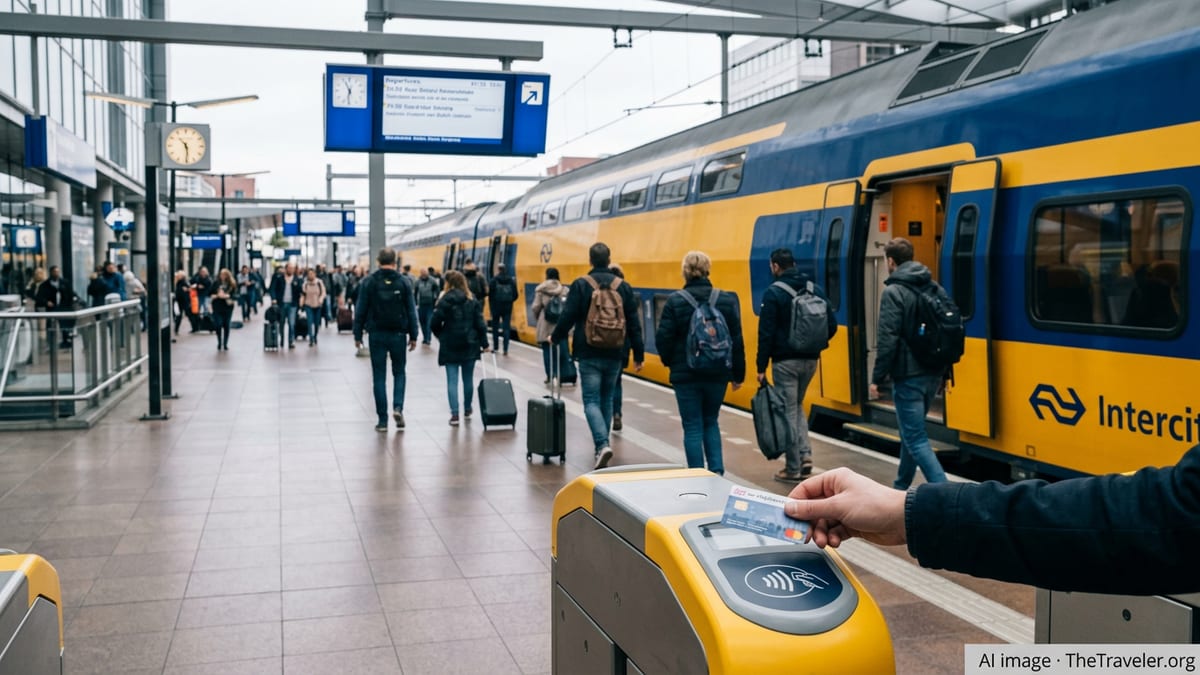
Next-generation Dutch trains still waiting at the border
The Dutch railway operator has invested heavily in its new Intercity New Generation (ICNG) fleet, designed to operate at higher speeds and to run seamlessly across borders into Belgium. While the domestic roll-out of these trains has progressed, the international phase that would see them extend services toward Brussels and other Belgian destinations remains in limbo.
According to publicly available information from Dutch corporate reporting and sector coverage, the ICNG units certified for operation within the Netherlands are only part of a broader programme that includes a specific Belgium-capable subfleet. That subfleet requires additional authorisations, testing and integration with Belgian infrastructure before any commercial trips can start.
Industry analysis notes that earlier expectations pointed to a mid-2025 introduction of the ICNG on the high-speed corridor between the Netherlands and Belgium. More recent references in planning and annual reports, however, speak in more cautious terms, avoiding firm promises on a start date and emphasising that successful deployment will depend on completion of cross-border approvals.
Signalling standards and ETCS complicate approvals
One of the main obstacles lies in signalling and train protection systems. Belgium has moved rapidly to equip its network with the European Train Control System, positioning itself among the front-runners in Europe for ETCS coverage. The physical trackside equipment is largely in place, but full transition to ETCS-only operation has been postponed to avoid disrupting traffic for trains that are not yet fitted.
This policy shift buys time for freight and passenger operators, yet it does not remove the need for new trains entering Belgium to be fully compatible with the ETCS architecture in use. The ICNG sets intended for Belgium therefore have to demonstrate reliable performance with the specific versions and configurations deployed on Belgian main lines and cross-border links.
Rail industry commentary indicates that this validation process can be lengthy, particularly where multiple national safety authorities and infrastructure managers are involved. Each step, from initial test runs through to authorisation for placing into service, must be documented and checked, which can easily extend project timelines beyond early estimates.
Memories of past failures shape a cautious approach
The push for improved Dutch-Belgian rail connections is taking place against the backdrop of past cross-border disappointments. Earlier attempts to run new high-speed services between the two countries encountered severe reliability issues, with trains suffering frequent breakdowns and being withdrawn from traffic long before their planned lifespans.
Those problems left lasting reputational scars and have fed a more conservative attitude among decision makers in both countries. Sector observers note that operators and authorities are now more inclined to prioritise robust testing and gradual introduction over rapid, headline-grabbing launches that could backfire if the technology is not fully mature.
This history helps explain why official documents and public briefings about the ICNG in Belgium avoid precise calendar commitments. Instead, they tend to speak in general terms about the ambition to enhance international services and to replace older rolling stock on the Amsterdam to Brussels route once the new trains have cleared all necessary checks.
Belgian rolling stock plans add another moving piece
The uncertainty over Dutch trains entering Belgium is unfolding alongside significant investments by the Belgian national operator in its own modern fleet. New multisystem locomotives have recently begun testing in the Netherlands, with the stated aim of operating international services between Rotterdam and Brussels and eventually replacing older leased units.
Analysts point out that the arrival of this Belgian rolling stock could alter how cross-border services are structured. Depending on how responsibilities are divided between the two state operators, some trains between the Netherlands and Belgium may be hauled by Belgian locomotives, even when running deep into Dutch territory, while others may rely on Dutch trainsets once certified for both networks.
This parallel procurement effort means that passengers may see changes on the line before the ICNG Belgium units themselves are cleared. A shift from interim locomotives to the new Belgian machines, for example, could happen independently of the Dutch trains’ introduction, adding visible change on the corridor without resolving the question of when Dutch-built intercity sets will finally cross the border under their own power.
Passengers left waiting for a firm timeline
For travellers, the practical consequence of these layered technical and regulatory issues is ongoing uncertainty. Timetable updates published for recent years highlight incremental improvements in frequency and capacity on international routes, but they stop short of confirming when the newest Dutch trains will appear on Belgian tracks.
Consumer groups and rail commentators have stressed that clearer communication would help manage expectations, especially for passengers who have followed news of the ICNG programme and anticipate a faster, more comfortable ride between the Netherlands and Belgium. At present, they are told only that introduction will follow once approvals are obtained, a formulation that suggests a multi-year rather than a month-to-month horizon.
With Belgium’s infrastructure largely ready for advanced signalling, Dutch operators pressing to expand their international reach, and new Belgian locomotives entering the test phase across the border, the ingredients for a modernised cross-border service are gradually falling into place. What remains missing is a concrete date, leaving the question of when the new Dutch trains will finally roll into Belgium unanswered for now.