


More news on this day
British holidaymakers are being urged to double-check safety advice, passport validity and potential disruption before heading abroad this summer, as updated guidance highlights rising security risks, extreme heat and new border rules across popular destinations.
Get the latest news straight to your inbox!
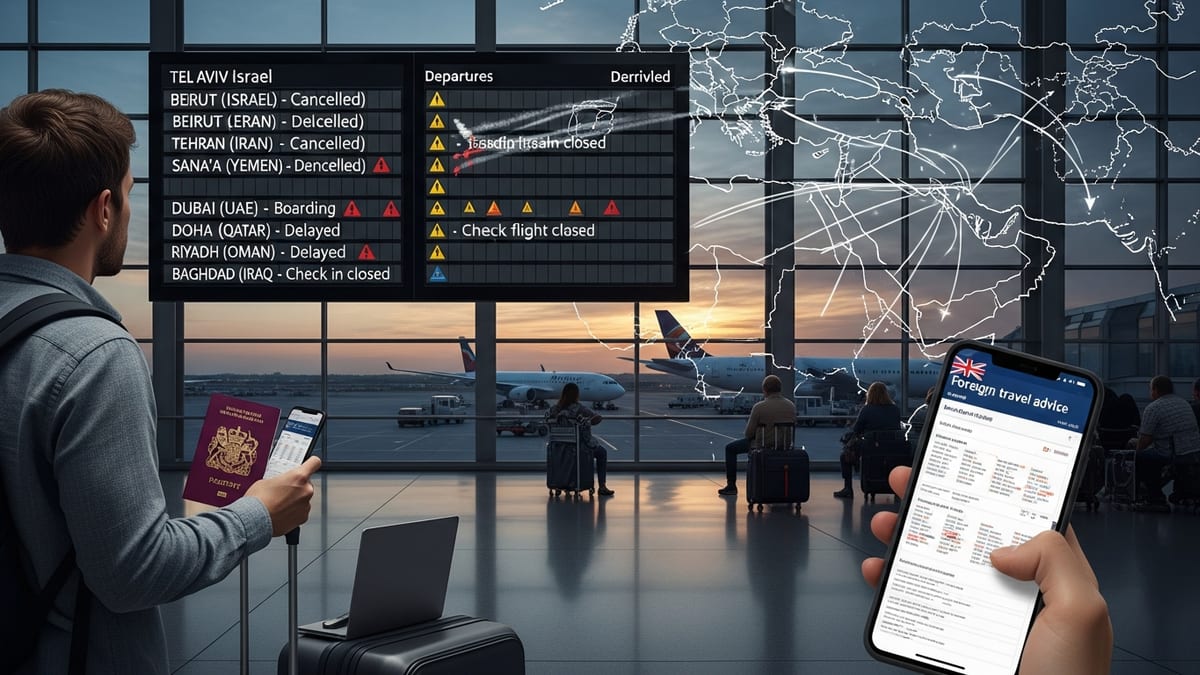
Government travel warnings widen as demand for holidays surges
Recent coverage of Foreign, Commonwealth and Development Office (FCDO) updates indicates that the list of destinations carrying strong warnings for UK travellers has expanded again ahead of the peak summer getaway. Reports highlight renewed cautions for parts of the Middle East, Eastern Europe, Africa and Latin America, where armed conflict, political unrest, terrorism concerns and infrastructure breakdowns remain a concern.
Publicly available information shows that these advisories range from general guidance to exercise a high degree of caution through to clear recommendations against all but essential travel or against all travel entirely. For British tourists, that means some long-haul favourites and emerging adventure destinations now come with significantly higher risk ratings than in previous years.
Travel industry analysis suggests that demand for overseas holidays is still strong despite the warnings, with families and groups continuing to book beach resorts, city breaks and cruises. However, consumer groups note that travellers who ignore official advice may find their travel insurance severely limited or invalid if they enter areas listed as “no go,” particularly where conflict or terrorism risks have increased.
Security specialists also point out that global terrorism threat levels and the potential for high-profile incidents in crowded public places remain a key factor in travel advice. Major transport hubs, tourist sites and large events are under close scrutiny in many countries, and British travellers are being encouraged to stay alert to local developments once they arrive.
Passport validity and new border systems raise risk of airport disruption
Alongside safety warnings, British travellers are being reminded to pay close attention to passport rules before they fly. Analysis based on data from the UK passport office, highlighted by airline research earlier this year, suggests that more than a million UK passports are due to expire by the end of June 2026, placing many trips at risk if holidaymakers leave renewals too late.
Across Europe and beyond, stricter entry requirements introduced after Brexit and during recent border-security reforms mean that passports often need both sufficient remaining validity and a recent issue date. For travel into the Schengen Area, publicly available guidance reiterates that British passports must usually be less than 10 years old on the date of entry and have at least three months remaining after the intended departure date, conditions that continue to catch out some passengers at airport check in.
New and upgraded border systems are also expected to slow down journeys at some European airports this summer. Industry reports on the introduction of enhanced biometric checks and the EU’s new Entry/Exit System indicate that airlines and airports are preparing for longer queues at peak times, particularly on routes popular with UK holidaymakers. Some operators are now recommending that passengers allow extra time at the airport in both directions to avoid missed flights.
Closer to home, the UK has continued rolling out digital border and visa systems for inbound visitors, which may indirectly affect British residents who hold dual nationality or who are travelling with relatives on non UK passports. Travel advisers suggest that mixed-nationality groups check the latest entry rules for every country on their itinerary, including transit points, to avoid last minute issues at the gate.
Extreme heat, wildfires and water shortages reshape summer beach plans
Climate trends are another major driver behind the latest wave of travel warnings. Meteorological briefings for Europe and the Mediterranean point to an elevated risk of intense heatwaves during the peak summer season, following record-breaking temperatures recorded as early as May and new alerts from UK and European climate agencies.
Recent reports from southern Europe describe a growing pattern of water shortages and heat stress in coastal regions that are heavily dependent on tourism. Islands in Greece and parts of Spain and Italy have already faced emergency measures in recent years, and early season coverage this summer details drinking water restrictions, pressure on local reservoirs and calls for visitors to conserve supplies in several hotspots.
Health agencies at European level have warned that high sea and air temperatures can also fuel spikes in certain bacterial infections and other heat-related illnesses, particularly for people with underlying health conditions or for children and older travellers. Public health information highlights that shallow coastal waters, crowded beaches and long periods of exposure to extreme heat may increase risks and place extra strain on local medical services.
Wildfires remain a seasonal threat across parts of Greece, Portugal, Spain and other Mediterranean destinations. While not every resort is directly affected, images of evacuations and smoke-filled skies in recent summers have led authorities to encourage visitors to monitor local alerts, respect fire bans and be prepared to follow instructions from local emergency services if conditions deteriorate quickly.
Insurance gaps and cancellation rules under scrutiny
The tightening of official advice and the rise in climate related disruption have placed fresh attention on what travel insurance actually covers. Consumer advocates note that many standard policies include exclusions for destinations placed under “do not travel” or “all but essential travel” advisories, potentially leaving travellers exposed if they proceed with trips to high risk regions.
Policy wording can also be complex around strike action, air traffic control problems, wildfire evacuations and heat-related health scenarios. Recent case studies reported in the UK media show that some travellers have struggled to claim compensation or refunds where airlines and tour operators classify events as outside their control, especially when flights operate but itineraries are heavily disrupted.
The UK government has signalled that it expects airlines to meet their legal responsibilities in the event of cancellations and long delays during the busy summer season. In public statements on aviation resilience, ministers have pointed to measures designed to reduce last minute schedule changes, including more flexible rules on airport take off and landing slots during periods of disruption linked to global instability or fuel supply issues.
Travel experts advise that British holidaymakers take time to read their insurance documents in full, compare cover levels for medical treatment, repatriation, cancellations and lost baggage, and keep all receipts and correspondence if problems arise. They also stress the importance of buying insurance as soon as a trip is booked rather than waiting until just before departure.
Practical steps for British travellers planning summer getaways
With travel warnings, climate risks and border changes converging, planning ahead has become increasingly important for anyone leaving the UK this summer. Travel advisers suggest starting with the official FCDO travel advice pages for each destination, checking safety and security sections carefully and reviewing any regional restrictions within a country, rather than assuming whole nations carry the same risk level.
Passengers are also being encouraged to review passports as a priority, allowing ample time for renewal and confirming the specific validity rules for every country on their route. Where connecting flights are involved, it is essential to check whether transit countries impose additional requirements on top of the final destination.
On the ground, simple measures such as avoiding the hottest part of the day, staying hydrated, monitoring local news and respecting any drought or fire restrictions can reduce exposure to heat related problems. Travellers who rely on medication or have existing health conditions are being advised in public health guidance to plan around access to shade, air conditioning and medical facilities, particularly in destinations known for extreme temperatures.
Finally, industry analysts note that flexibility is increasingly valuable. Choosing refundable or changeable tickets where possible, keeping digital copies of key documents and being prepared to adjust plans if advisories change at short notice may help British holidaymakers enjoy their long awaited summer breaks while staying on the right side of the latest travel warnings.