


More news on this day
Panama is emerging as one of the Americas’ most sought-after escapes in 2026, combining an improved safety profile with booming visitor numbers, infrastructure upgrades and a lifestyle pitch that goes far beyond its famous canal.
Get the latest news straight to your inbox!
Safety Rankings Put Panama in the Regional Spotlight
Panama’s rise in regional safety tables is helping to reshape perceptions of the Central American nation. A 2026 Global Peace Index update places Panama among the more peaceful states in the Americas, ranking it fifth in Central America and the Caribbean, ahead of much larger regional players and well above the regional average in overall safety and security metrics. That assessment has been echoed by specialized travel risk indices, which place Panama within the top tier of safest destinations in the Western Hemisphere.
According to one 2026 Americas-focused travel safety index, Panama now sits in the top ten safest destinations across the region, with a composite score that reflects comparatively low political instability, improving crime trends in key tourist zones and the absence of major armed conflict. While the country is still categorized by the United States as a place where visitors should exercise increased caution due to crime, publicly available advisories highlight that the highest risks tend to be concentrated in specific neighborhoods and along parts of the border, rather than in the main tourism corridors.
For would-be visitors, the picture is nuanced. Reports indicate that Panama City’s business and tourism districts, the well-trafficked Pacific beaches and established interior highland towns are seeing greater investment in surveillance, emergency response and organized holiday operations. Government agencies have documented large-scale seasonal safety deployments to beaches and rivers during holiday periods, with thousands of visitors monitored by lifeguards and rescue teams during national operations earlier this year. The message from officials’ published data is that Panama aims to pair its safety rankings with visible, on-the-ground prevention campaigns.
Analysts note that the new rankings give Panama a marketing edge in a region where headlines are often dominated by crime and political turmoil. By positioning itself as a relatively stable, dollarized economy with improving peace indicators, the country is increasingly pitched in tourism campaigns as a safe jumping-off point for travelers who want tropical experiences without sacrificing urban comforts and connectivity.
Tourism Numbers Show a Destination in Demand
Behind the safety headlines is a concrete tourism boom. Data from the Panama Tourism Authority show that the country surpassed 3 million visitors in 2025 and has maintained double-digit growth into 2026, with arrivals between January and May up more than 17 percent compared with the same period a year earlier. The authority characterizes this performance as a consolidation of post-pandemic recovery and a clear sign that the destination is gaining ground in competitive international markets.
Economic indicators tell a similar story. A recent analysis using figures from Panama’s National Institute of Statistics and Census and tourism authorities reported that foreign exchange earnings from tourism reached about 6.6 billion dollars in 2025. That is the highest level on record for the sector and represents roughly 7 percent of the country’s gross domestic product. The steady rise from 2018 through 2025 suggests that the current surge is not a short-lived rebound but rather a sustained structural shift in how tourism contributes to the Panamanian economy.
Passenger data from Tocumen International Airport, the country’s main hub, reinforce the trend. Official briefings on the airport and tourism sector indicate that passenger movements at Tocumen increased by around 9 percent in 2025 compared with 2024, driven by additional routes from Europe and Latin America and more frequent connections across the Americas. With over 80 destinations connected through Tocumen, the airport positions Panama City as a natural entry point for long-haul and regional travelers alike.
Authorities credit a combination of digital marketing campaigns, co-branding agreements with airlines and tour operators, and the hosting of major events for raising the country’s profile. Recent multi-sport competitions held in Panama Citygenerated more than 100 million media impressions and hundreds of thousands of digital interactions, according to monitoring reports released by organizers and the tourism authority. Those figures underscore how sporting and cultural events are being used as catalysts to keep Panama in the global travel conversation.
Why Travelers Are Really Flocking to Panama
While safety rankings may reassure cautious travelers, industry observers point out that the real draw in 2026 is Panama’s blend of urban energy, nature access and lifestyle incentives. The capital’s waterfront skyline and historic Casco Antiguo district appeal to visitors who want a cosmopolitan city break with boutique hotels, rooftop bars and a growing culinary scene. At the same time, national parks, Caribbean islands and Pacific surf beaches are reachable in a matter of hours by road or short flights, giving travelers a broad range of experiences in a compact territory.
Panama’s positioning as a logistics and aviation hub plays a decisive role. Tocumen International Airport functions as a major connector for flights between North and South America and is increasingly promoted as an easy stopover for travelers who may extend their connection into a two- or three-day stay. Travel agencies report a rise in passengers combining business trips with short leisure extensions in Panama City or the nearby beaches, a pattern supported by the continued expansion of hotels and conference facilities in and around the capital.
There is also a pronounced lifestyle and relocation angle feeding into visitor numbers. Flexible residency options, long-standing retiree incentive programs and special visas for remote workers have turned Panama into a testing ground for digital nomads and early retirees who want to combine relatively low living costs with reliable broadband, direct flights to major cities and access to good healthcare. Real estate developments in beach areas west of Panama City and in highland towns like Boquete have been marketed heavily to North American and European buyers seeking second homes or long-stay rentals.
For younger travelers, Panama’s cultural mix and biodiversity are a strong part of the appeal. Visitor surveys collected by local tourism bodies highlight interest in Indigenous territories, coffee-growing regions and eco-lodges across the isthmus. The coexistence of Afro-Caribbean, Indigenous and Hispanic traditions in a relatively small country allows itineraries that move from Caribbean carnival celebrations to cloud-forest hiking and canal transits in the course of a single trip, a variety many destinations in the region struggle to match.
Balancing Safety Realities With On-the-Ground Planning
Despite its improved standing in safety indexes, Panama is not free of risk. International advisories continue to flag concerns about street crime, especially in parts of Panama City and Colon that lie outside standard tourist circuits, and along remote border zones. Public security reports also acknowledge challenges relating to drug trafficking routes that cross the isthmus and can spill into certain urban neighborhoods. Travel analysts stress that the country’s positive rankings reflect averages that coexist with localized hotspots where conditions can differ sharply.
In response, national agencies have highlighted stepped-up seasonal operations at beaches and rivers, as well as increased coordination with civil protection, police and migration services at checkpoints and transit hubs. Recent Easter holiday operations, for example, combined migration monitoring with road and coastal patrols in areas that receive large volumes of domestic and international visitors. Public reports from these efforts emphasize both the orderly flow of travelers and the detection of infractions ranging from traffic violations to documentation issues.
Travel experts encourage visitors to treat Panama like many other fast-developing destinations: a place where normal urban precautions, careful neighborhood choices and up-to-date local information can significantly reduce exposure to crime. The advice typically includes selecting licensed taxis or app-based rides in cities, avoiding isolated areas at night, and checking for the latest guidance from reputable travel advisories and local accommodation providers before venturing into remote regions.
At the same time, observers point out that Panama benefits from relatively strong macroeconomic and institutional indicators compared with many of its neighbors, factors that indirectly support a safer environment for tourists. International indexes on prosperity and governance, such as the 2026 Atlas of Freedom and Prosperity and recent public integrity assessments, place Panama in the mid-to-upper tier globally, reflecting progress in infrastructure, services and rule-of-law frameworks that underpin the tourism sector.
What 2026 Travelers Can Expect on the Ground
For visitors arriving in late 2025 and 2026, the most noticeable features are likely to be improved connectivity, busy airports and a tourism industry keen to capture repeat business. With visitor arrivals and tourism revenue at record highs, hotels across Panama City, beach corridors and interior highlands are expanding room inventories and diversifying offerings, from all-inclusive resorts to small design-forward lodges. Industry briefings suggest increased attention to conference tourism, medical travel and nature-based experiences as operators seek to spread demand beyond traditional sun-and-sand stays.
Travelers can also expect a growing calendar of events, from sports tournaments and music festivals to regional business summits, many of which are deliberately timed to bridge the traditional high and shoulder seasons. Media monitoring data from recent multi-sport events in Panama City point to a strong international audience reach, encouraging organizers to consider the country for future editions and spin-off competitions. This event-driven strategy is designed to keep hotels and airlines busy year-round while giving visitors more reasons to extend their stay.
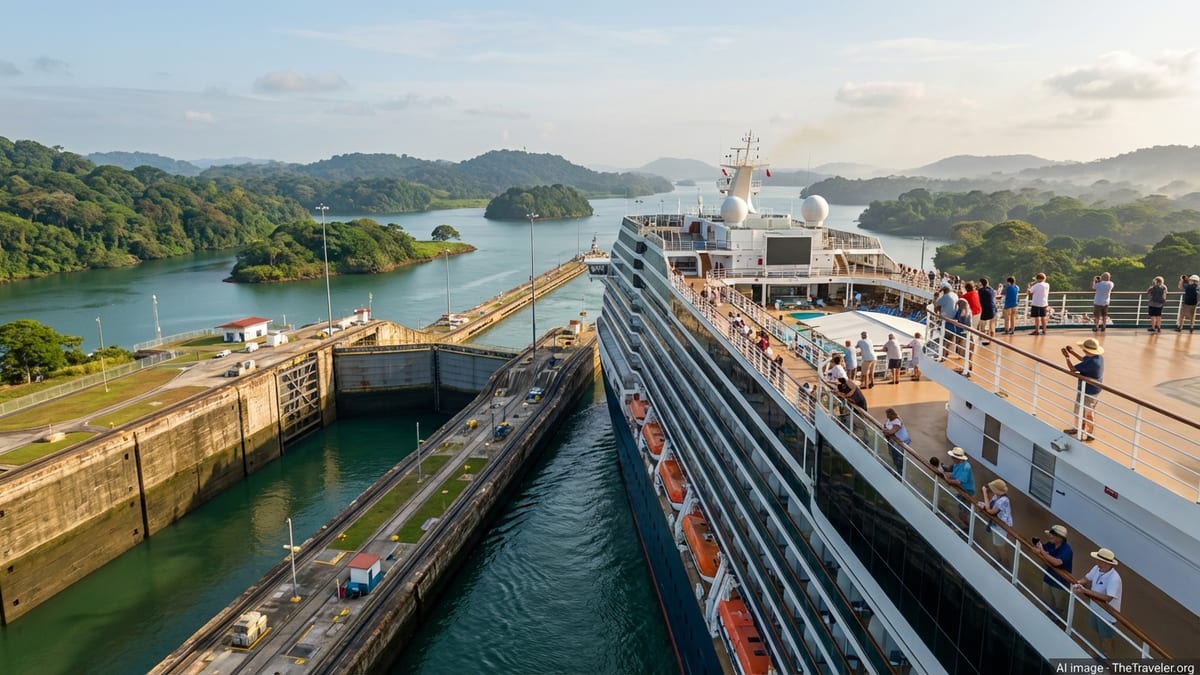
Infrastructure upgrades are another part of the 2026 picture. Panama has continued to invest in road links, airport facilities and urban public transport, including the expansion of the capital’s metro system, which connects key residential, commercial and tourism zones. For many visitors, that translates into shorter transfer times between the airport, city center and Canal viewpoints, as well as easier movement between neighborhoods that offer very different experiences over the course of a few days.
All of this reinforces Panama’s new identity in the eyes of international travelers. Ranked among the safer escapes in the Americas and buoyed by record tourism receipts, the country is leveraging its geographic position, connectivity and lifestyle offerings to draw visitors who want more than a beach vacation. For now, the numbers suggest that the mix is working, with 2026 shaping up as a pivotal year in Panama’s evolution from regional crossroads to fully fledged destination in its own right.