


More news on this day
A United Airlines pilot is under internal review after allegedly leaving his cockpit microphone open for several minutes and subjecting more than 250 passengers to an expletive-filled tirade directed at the flight’s cabin crew, according to multiple reports and passenger accounts shared online.
Get the latest news straight to your inbox!
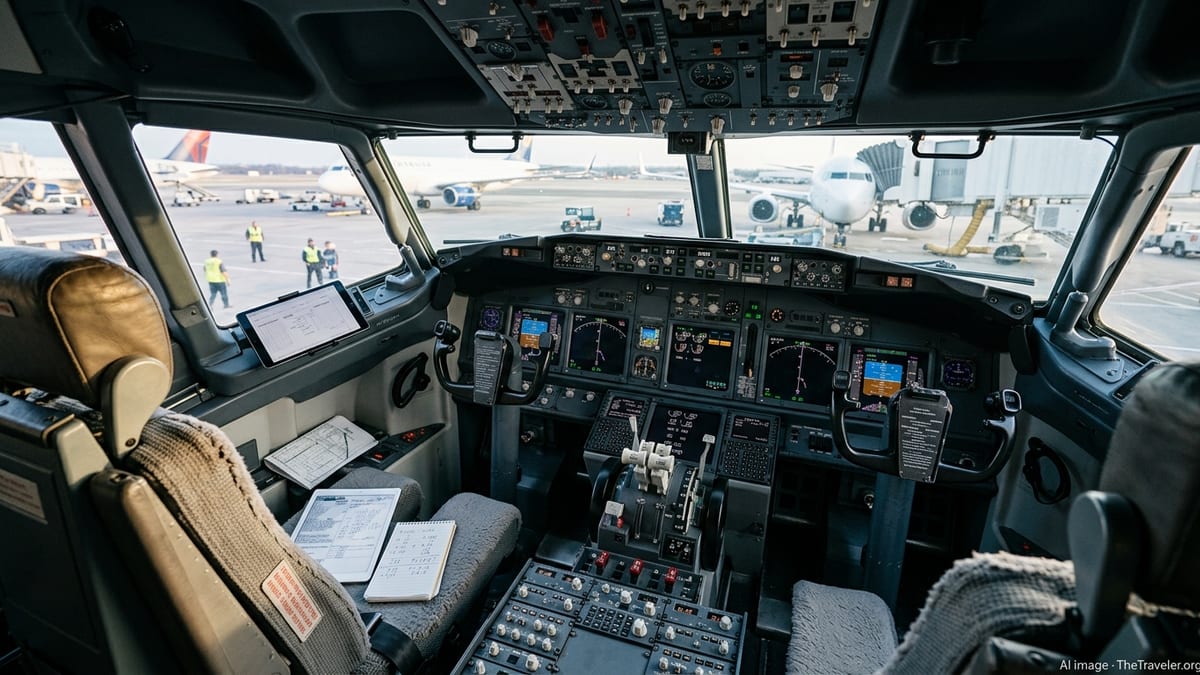
Open Mic Turns Routine Flight Into Viral Incident
Reports indicate the incident occurred on a recent United Airlines flight when the pilot began speaking over the aircraft’s public-address system, apparently intending to address flight attendants privately about service issues. Instead, the microphone remained connected to the cabin speakers, broadcasting his remarks to the entire aircraft for an estimated seven minutes.
Passengers posting about the event described a tense and uncomfortable atmosphere as the pilot repeatedly used profanity while criticizing flight attendants by name and referencing their performance during the flight. Several travelers said it quickly became clear that the pilot did not realize his comments were audible beyond the cockpit.
According to these public accounts, the crew in the cabin continued their duties while visibly shaken, with some flight attendants later apologizing to customers for what they had heard. The flight continued to its destination without further disruption, but by the time the aircraft landed, descriptions of the rant were already circulating widely on social media and aviation forums.
United Confirms Investigation Into Cockpit Behavior
Publicly available information shows that United Airlines has opened an internal review into the pilot’s conduct, a standard step when crew behavior raises potential safety, professionalism, or policy concerns. The airline has policies that emphasize mutual respect among employees and require cockpit and cabin staff to maintain a professional demeanor in front of passengers.
While detailed personnel actions are typically handled privately, labor agreements and airline procedures generally allow carriers to remove a pilot from active flying duties during an inquiry. Industry observers note that cockpit audio incidents, even when no physical safety issue arises, often prompt a close look at judgment, communications practices, and compliance with company codes of conduct.
United has faced heightened public scrutiny in recent years around customer and employee interactions, and analysts say the company is likely to move quickly to demonstrate that the episode is being taken seriously. Aviation commentators also point out that cockpit audio is a highly sensitive area for regulators, airlines, and unions, especially when it involves profane, demeaning, or targeted language directed at colleagues.
Strained Relations Highlight Flight Attendant–Pilot Dynamics
The episode unfolded against a broader backdrop of tense labor and workplace dynamics across major U.S. airlines. Flight attendants at several carriers, including United, have pushed for higher pay, improved schedules, and stronger protections against harassment and abuse, both from passengers and, in some cases, from co-workers.
Union statements in recent years have emphasized that cabin crew are safety professionals who must be able to focus on emergency procedures and passenger care without fear of retaliation or humiliation from colleagues. Public commentary following the open-mic rant has echoed that framing, with many travelers expressing concern that such an outburst could undermine teamwork on board during an emergency.
Industry specialists note that pilots and flight attendants rely on clear, respectful communication, particularly during takeoff, landing, turbulence, and irregular operations. A breakdown in that relationship, even if limited to a single flight, can raise questions about the overall safety culture within a carrier and the level of support extended to front-line staff.
Passenger Reactions Reflect Fatigue With Inflight Tensions
The passengers who said they were on the flight described a mix of shock, embarrassment, and empathy for the targeted crew members. Some wrote that they attempted to tune out the audio with headphones, while others said they watched fellow travelers exchange uneasy glances as the rant continued.
Frequent flyers commenting on the incident have suggested that the pilot’s behavior reflects a fraying patience across the industry, with inflight tensions increasingly spilling into public view. In recent years, aviation regulators and airlines have documented sharp increases in conflicts between passengers and crew, and experts say those pressures can also affect interactions among employees themselves.
Travel advocates argue that passengers are growing less tolerant of any unprofessional conduct in the confined environment of an aircraft cabin. Social media has made it easier for customers to document what they see and hear, putting additional pressure on airlines to address behavior that might once have gone unnoticed outside the plane.
Renewed Focus on Training and Professional Standards
The incident is prompting fresh discussion about how airlines train crews to manage stress, resolve internal disagreements, and handle communications equipment on the flight deck. Aviation safety experts frequently highlight the importance of “sterile cockpit” and disciplined communication practices, particularly when aircraft systems and passenger announcements share audio channels.
Airline training programs typically stress that personal conflicts must be kept away from passengers and resolved through internal channels rather than on open microphones or in view of the cabin. Specialists say that when those boundaries fail, carriers are often compelled to update guidance, refresh training, or reinforce expectations through additional communication to flight crews.
For now, the United pilot at the center of the controversy faces an internal process that could result in anything from additional training and formal reprimand to more serious discipline, depending on the findings. The episode serves as a reminder that in the era of instant online amplification, a few minutes of unchecked anger in the cockpit can reverberate far beyond a single flight.