


More news on this day
United Airlines is cautioning travelers ahead of the Memorial Day holiday period, issuing a weather-related travel disruption alert for six major East Coast airports and advising passengers to prepare for potential delays and schedule changes.
Get the latest news straight to your inbox!
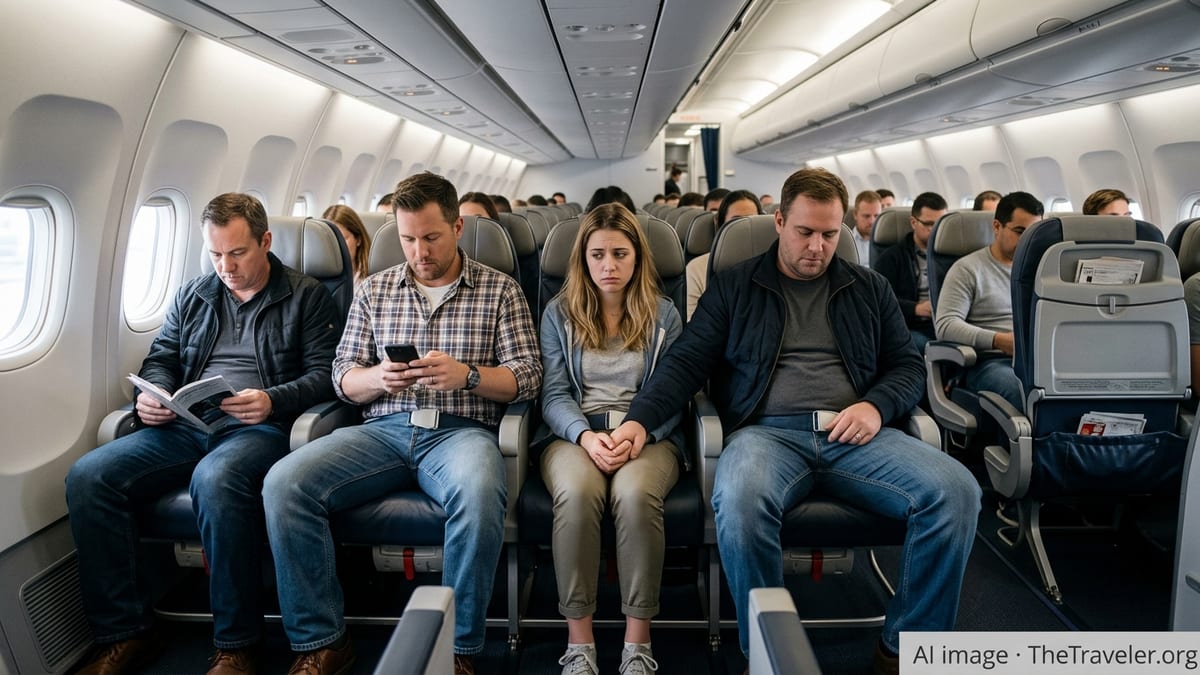
Weather Threat Prompts Early Travel Warning
According to publicly available airline advisories and flight tracking data, United has activated a travel waiver tied to a forecast of strong thunderstorms along the Eastern Seaboard, a pattern that commonly disrupts some of the country’s busiest air corridors in late May. The alert, issued shortly before the Memorial Day travel rush, is designed to give passengers extra flexibility to adjust their plans without incurring standard change fees.
Reports circulating in traveler forums and industry briefings indicate that the waiver covers itineraries touching six high-traffic East Coast airports, where convective weather and air traffic flow restrictions frequently trigger cascades of delays. The coverage window spans several days around the holiday, reflecting expectations that storms may arrive in multiple waves rather than a single event.
Airline operations analysts note that carriers increasingly favor proactive alerts and waivers when models point to disruptive weather patterns. By nudging passengers with flexible plans to move their trips earlier or later, airlines can reduce same-day crowding at gate areas, ease pressure on call centers and digital channels, and preserve limited slack in crew and aircraft rotations.
Memorial Day weekend is widely regarded as an unofficial start to the peak U.S. summer travel season, and advance warnings have become a regular feature of airline planning during this period. Industry briefings ahead of the 2026 holiday highlight a sharp uptick in leisure demand and already tight schedules at key hubs, leaving little room for error when storms develop.
Six Major East Coast Gateways in Focus
While specific airport lists are contained within airline waiver notices, publicly shared information points to a cluster of major East Coast hubs and focus cities that see heavy United traffic and are particularly vulnerable to thunderstorm-related slowdowns. These typically include large New York City area airports, key Mid-Atlantic gateways, and at least one New England and Southeast field that anchor United’s domestic and transatlantic networks.
Operational data from previous disruption events show how quickly problems at these airports can spread across the network. When New York City and Mid-Atlantic hubs experience ground stops or flow restrictions, arriving aircraft often wait on taxiways for extended periods, while departures are pushed back in waves. This pattern leads to rolling delays for downline flights as aircraft and crews miss their next scheduled departures.
Aviation disruption briefings published in May emphasize that bottlenecks at these East Coast hubs have knock-on effects far beyond the region. Flights bound for Europe and connecting traffic from the Midwest and West Coast all depend on relatively smooth movements through these gateways, so even modest capacity cuts or holding patterns can generate missed connections and rebooking challenges for travelers who never set foot on the East Coast.
For United, which relies on a hub-and-spoke model, the six-airport warning zone forms a critical bridge between domestic routes and long-haul services. The airline’s decision to issue a preemptive alert underscores how important these gateways are to keeping the broader network operating close to schedule during one of the busiest holiday weekends of the year.
What the United Travel Waiver Allows
Publicly available descriptions of United’s East Coast thunderstorm waiver indicate that eligible passengers can change their travel dates without paying standard change fees, provided they keep the same origin and destination and rebook within a defined time window. The waiver applies to tickets for travel to, from, or through the affected airports during a specified period around Memorial Day.
The timing of the waiver seeks to strike a balance between protecting passengers and maintaining operational flexibility. By opening alternative rebooking options ahead of the worst weather, United can smooth demand across multiple days rather than allowing a single storm system to overload airports and customer service channels on peak travel dates.
Consumer travel guidance commonly recommends that passengers monitor their reservations through airline apps and opt in to text or email notifications during waiver periods. Industry analysts note that digital tools have become central to disruption management, allowing travelers to self-service many changes without queuing at airport counters, particularly when a large number of flights are affected at once.
Although waivers are designed to lessen the financial impact of itinerary changes, they do not typically guarantee compensation for hotels, meals, or lost vacation time when weather is the primary cause. Travelers often turn to travel insurance policies or credit card benefits for additional protection in these scenarios, especially during major holiday weekends when alternate flights may be limited.
Heavy Memorial Day Volume Raises Stakes
Travel demand forecasts from transportation and tourism groups project that Memorial Day 2026 will see one of the busiest holiday travel periods since before the pandemic, with airlines planning dense schedules and high load factors. Industry projections expect several days of elevated passenger volumes on both domestic and international routes, especially through large coastal hubs.
Historical records of Memorial Day air travel show that even routine summer thunderstorms can cause outsized disruption when they intersect with peak demand. Crowded security checkpoints, full flights, and limited spare aircraft make it harder to recover from weather-related interruptions, particularly late in the day when crew duty-time limits become a factor.
Analysts tracking airline performance trends point out that the broader aviation system remains sensitive to small shocks. Air traffic staffing constraints, ongoing construction at some airports, and tight turn times for aircraft all contribute to a system where a few hours of severe weather at major East Coast airports can produce residual delays and cancellations well into the following day.
The heightened risk during Memorial Day weekend is prompting travel experts to advise passengers to build additional buffers into time-sensitive trips, such as weddings, cruises, or international connections. Early morning departures and nonstop routes are often described as more resilient options when storms and congestion are forecast for later in the day.
Practical Steps for United Passengers
In light of United’s disruption warning, passenger advocates and travel planners are sharing a series of practical steps for those scheduled to fly through the six impacted East Coast airports. Foremost among these is to closely review the terms of the travel waiver and decide whether shifting flights to an earlier or later date within the allowed window could reduce exposure to storms and crowding.
Travel specialists commonly suggest that passengers avoid tight layovers at East Coast hubs during active weather periods, especially if they are connecting to international or last flight of the day services. Where possible, selecting longer connection times or routing through less weather-prone hubs can improve the odds of reaching a final destination on schedule.
Real-time monitoring of flight status through airline apps and flight tracking tools is also emphasized. As thunderstorms evolve throughout the day, departure and arrival times may change repeatedly. Staying informed can help travelers adjust ground transportation, notify hotels of late check-ins, and make quicker decisions if rebooking becomes necessary.
For Memorial Day travelers who must keep fixed dates, preparation at the airport can also make a difference. Guidance from frequent travelers highlights the value of carrying essential medications, chargers, and a change of clothes in hand luggage, as well as budgeting for potential meal and lodging expenses if overnight delays occur. While United’s warning does not guarantee disruption, the airline’s proactive stance signals that passengers transiting the six affected East Coast airports should be ready for a busy and possibly weather-challenged holiday weekend.