


More news on this day
Travelers planning July trips to Dubai are being urged to review their visa dates and medical coverage carefully, as recent rule changes and new health insurance requirements create tighter deadlines and unexpected gaps that can trigger heavy fines and costly hospital bills.
Get the latest news straight to your inbox!
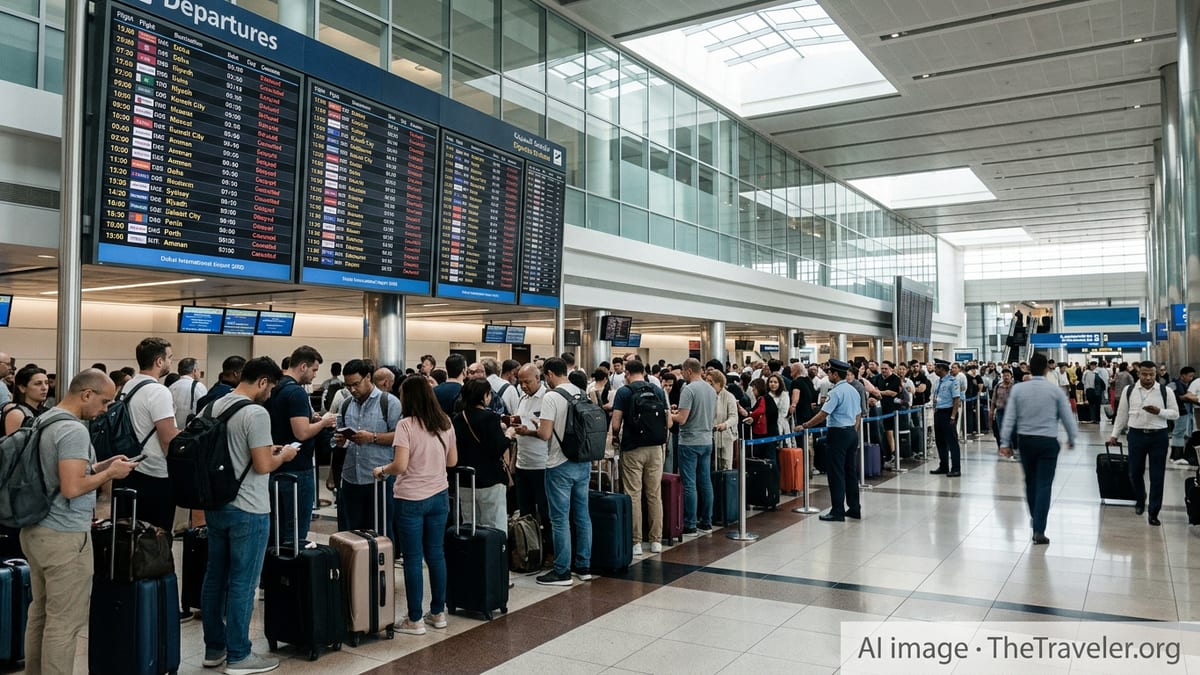
Zero-Grace Visa Rules Turn Deadlines Into Drop-Dead Dates
Publicly available guidance on recent UAE policy changes indicates that Dubai now applies a strict zero-grace approach to most short-stay visit visas, where the last valid day on a visa is also the first day that overstay penalties can begin to accrue. Earlier practices in which visitors sometimes had a short buffer to exit or regularize their status have largely disappeared, replaced by automatic daily fines the moment a visa expires.
Travel information aimed at agents and tour operators describes fines starting at around 50 dirhams per day for overstays, with additional administrative fees for exit permits and possible restrictions on future entry for longer or repeated violations. Travel agencies and local operators report that they themselves may also incur penalties if clients overstay on visas they have sponsored, which in turn makes many agents less willing to support last-minute extensions or informal arrangements.
For July visitors, this means that the date printed on a visa should be treated as a hard departure deadline, not a suggestion. Travelers who plan a late-night flight out of Dubai on the final day of validity risk slipping into overstay if flights are retimed, connections are missed, or airport queues run long. Travel advisories and independent legal explainers recommend booking departure at least one day before visa expiry and keeping boarding passes and itineraries accessible in case exit dates need to be demonstrated.
Reports from regional media also highlight that those who hold visas arranged through a local sponsor, such as a travel agency or small company, can find themselves facing additional problems if that sponsor reports them as absconding once a stay runs late. In such cases, visitors may need to settle fines, clear absconding reports and sometimes obtain an exit permit before they can leave, turning an overstayed holiday into a legal and financial tangle.
Visa Runs, Onward Tickets and the July Timing Trap
Guides to UAE immigration practice note that “visa runs” remain technically possible, whereby a traveler exits the country briefly and returns to obtain a fresh visit visa. However, immigration specialists caution that reliance on this tactic has become riskier over the last two years, especially in peak months like July, as airlines, border officers and travel agents apply rules more strictly and electronic records make patterns of frequent re-entry easier to identify.
Several advisory sites point out that some nationalities who previously depended on third-country stopovers to reset visa days are now encountering refusals, shorter stays or extra questioning at the border. Airlines are increasingly insistent that passengers arriving in Dubai on a visit visa show either a confirmed onward ticket or evidence of onward plans within their allowed stay, particularly when traveling during busy summer periods when flights operate close to full capacity.
July also coincides with school holidays across the Gulf and Europe, putting pressure on outbound seats. Travelers who assume they can simply move a return flight a few days later if they decide to prolong a stay may find that affordable seats out of Dubai are sold out, while their visa clock continues to tick. Legal commentators emphasise that personal circumstances, such as fully booked flights or sudden changes of plan, rarely excuse overstays once fines are assessed in the immigration system.
Recent temporary relief measures linked to flight disruptions have provided some leeway in very specific situations, but documentation from global mobility firms explains that these carve-outs are narrow, date-limited and typically require evidence that flights were cancelled or significantly disrupted. Travelers who misread such measures as broad amnesties could discover too late that they still owe standard overstay penalties.
Health Insurance: What Is Mandatory and Where the Gaps Are
Dubai’s reputation for high-quality medical care is matched by high healthcare prices, and this is where the new warning for July travelers becomes particularly acute. Legal and government-focused explainers describe a patchwork system in which health insurance is strictly mandatory for UAE residents, including those on work, family and long-term visas, while visitor requirements can vary by emirate and visa type but increasingly demand proof of health coverage as part of an application.
Tourism and business publications note that many tourist and visit visa applications routed through the federal and Dubai immigration portals ask applicants to show that they have valid medical insurance for the duration of their stay. However, not all policies are equal. Some basic plans marketed online meet minimal visa conditions but exclude emergency evacuation, high-cost inpatient care or pre-existing conditions, leaving visitors technically compliant for visa purposes yet significantly exposed if they fall ill or are injured.
Dubai’s own travel advisory materials highlight that major carriers such as Emirates have developed “comprehensive travel cover” products that bundle medical, trip interruption and disruption assistance. At the same time, consumer advice columns stress that this kind of airline-linked cover is often sold as an add-on at booking and may not be automatically included in every fare, especially promotional or budget tickets. Travelers who assume they are covered simply because they flew with a Gulf carrier may misunderstand the small print.
Publicly available legal analysis of UAE health law further indicates that a nationwide expansion of mandatory health insurance has focused on residents and employees, not short-term tourists. This creates a perception among some visitors that travel insurance is optional, or that any policy purchased to secure a visa will be sufficient. Industry guides warn that this perception is misleading, particularly in Dubai where a single emergency hospital visit can quickly exceed the medical limits of cheaper policies tied to low-cost tourist visas.
Tricky New Insurance Gaps: Covid, Heat, Adventure and Transit
What is catching out a growing number of travelers, according to insurance industry briefings and travel press coverage, is not whether they have any policy, but how that policy handles specific risks that are common in Dubai in July. Many budget travel insurance plans still limit or exclude claims linked to pre-existing medical conditions, high-risk activities and in some cases extreme heat, despite July routinely delivering some of the hottest days of the year in the emirate.
Advisory articles point out that visitors engaging in popular activities such as dune bashing, jet-skiing or indoor skydiving may find these categorized as adventure or motor sports, which are either excluded or covered only under higher-tier plans. At the same time, some insurers have tightened wording around respiratory and infectious diseases, meaning that Covid-related disruptions, which were widely covered during the pandemic, may now fall under narrower cancellation or medical clauses.
Another emerging gap involves the growing use of Dubai as a global hub for multi-leg itineraries. Travelers transiting Dubai on separate tickets, or those planning a short stopover on a visit visa before continuing elsewhere, sometimes discover that their policy treats the journey as multiple trips rather than one continuous cover. If a delay on the first leg leads to a missed onward connection and an unplanned extra night in Dubai, cheaper policies may not cover additional accommodation, new tickets or related costs.
Experts in aviation disruption also highlight that airline-provided assistance in cases of delay or cancellation varies significantly by carrier and ticket type. While Emirates promotes extensive disruption support, advisory material from Dubai’s tourism authorities still urges passengers to read fare rules carefully and not to assume that airline help will substitute for a robust travel insurance policy, especially when a missed flight could push a stay beyond the last legal day of a visa.
What July Travelers Should Do Before Boarding for Dubai
Travel and migration specialists generally agree on several practical steps for those heading to Dubai this July. First, travelers are advised to check the exact validity dates on their visa or visa-on-arrival entitlement, counting both the arrival and departure days and planning flights to avoid using the last legal day as the departure date. Those who intend to stay longer than a standard 30- or 60-day visit are encouraged to explore official in-country extension processes rather than relying on last-minute visa runs.
Second, prospective visitors are urged to review their medical coverage line by line, verifying maximum medical limits, inclusion of emergency treatment in the UAE, coverage of heat-related illness and adventure activities, and whether trip interruption and missed connection benefits apply in Dubai. Purchasing a standalone, comprehensive policy that names the UAE specifically and covers the full travel period can be more reliable than depending on partial benefits bundled with a flight or credit card.
Finally, publicly available advisories remind travelers that rules and practices can change quickly. Airlines may update boarding requirements, insurers can revise policy wording, and immigration authorities may alter extension options or fine structures. Travelers are therefore encouraged to re-check official carrier and government information close to departure, keep digital copies of visas, insurance certificates and itineraries at hand, and allow extra financial and time buffers so that an unexpected delay does not immediately turn a Dubai holiday into a visa or insurance emergency.