


More news on this day
The United States has introduced sweeping Ebola related entry restrictions, joining the United Kingdom, United Arab Emirates, Thailand, Singapore, and Saudi Arabia in tightening health controls on international travel as outbreaks in parts of Central and East Africa escalate and global concern increases.
Get the latest news straight to your inbox!
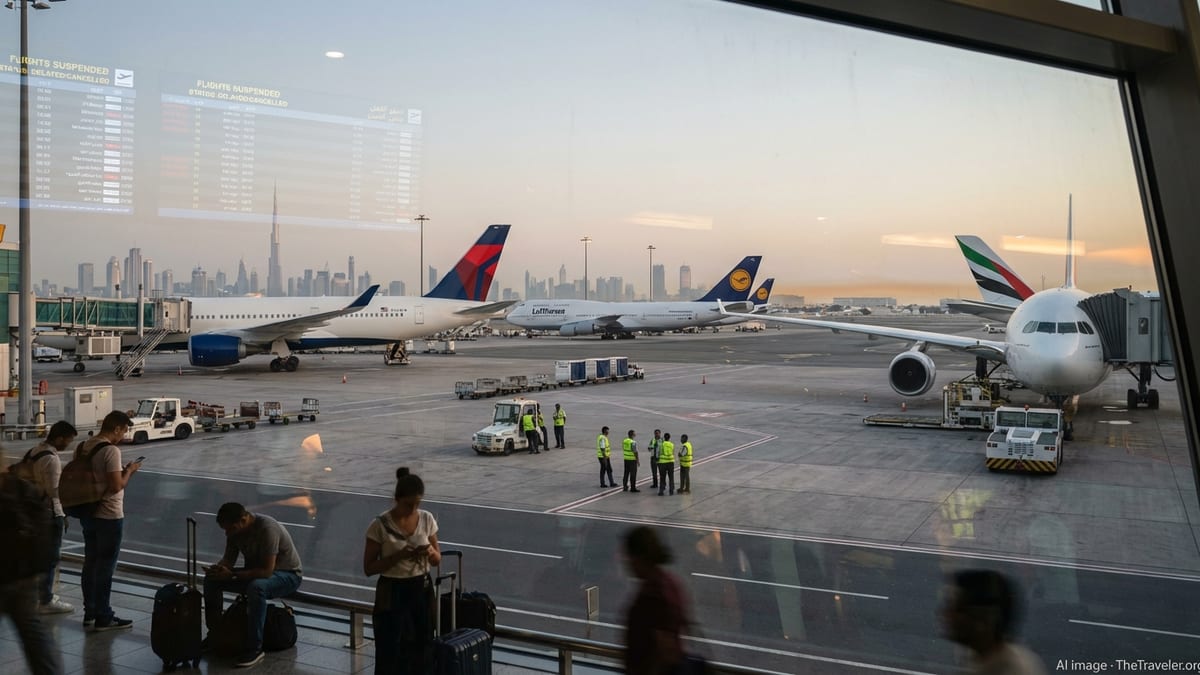
United States Introduces Targeted Bans and Routing of Arrivals
Publicly available information from health and aviation notices shows that the United States has moved from enhanced screening to targeted entry bans for travelers with recent stays in the Democratic Republic of Congo, Uganda, and South Sudan, where the current Ebola outbreak is concentrated. A federal public health order issued in mid May suspended entry for many foreign nationals who have been in those countries within the previous 21 days, citing the incubation period of the virus and the rising case numbers in affected provinces.
Airline advisories indicate that exempt travelers, including United States citizens and permanent residents, are being funneled through a small number of designated airports for health screening and follow up monitoring. Notices to passengers describe temperature checks, symptom questionnaires, and verification of recent travel history, with additional assessments for those reporting possible exposure in outbreak areas.
Further updates reported by national media in late May describe an expansion of the measures to cover some categories of permanent residents and a temporary pause in visa issuance for people who have recently been in Ebola affected countries. These steps mark one of the most restrictive sets of infectious disease travel controls imposed by the United States in recent years, reflecting an effort to keep the virus from entering the country while outbreaks abroad continue.
Guidance documents released for health departments and transport operators emphasize that the overall domestic risk is still assessed as low, but that entry controls and post arrival monitoring are intended to reduce the chance that undetected infections could seed local transmission. Travelers are encouraged to check official advisories before departure, as the list of affected countries and designated arrival points may change as the situation develops.
United Kingdom, UAE and Singapore Focus on Pre Travel Clearance
The United Kingdom has been strengthening its border management systems over the past year with the roll out of a new electronic travel authorization requirement for many visa free visitors. Government guidance updated this spring explains that travelers from an expanding list of nationalities, including those transiting through the country, must obtain digital permission in advance. While the scheme is not Ebola specific, the move to pre travel clearance provides authorities with greater ability to screen passenger details, including recent travel history, before boarding.
Health security updates from the United Kingdom underline that travelers arriving from known Ebola affected areas may face additional questioning, advice on symptom monitoring, or onward referral to specialist teams. Public briefings note that the country continues to apply lessons from previous outbreaks, with contingency plans for rapid contact tracing and isolation should an imported case occur.
In the United Arab Emirates and Singapore, two major long haul aviation hubs, airport authorities and health agencies have signaled heightened vigilance. Local media and airport statements describe reinforced arrival screening protocols for passengers whose itineraries include Central and East Africa, as well as directives to airlines to collect accurate contact information for use in possible contact tracing. Both locations have experience managing large volumes of transit passengers during past global health events and are positioning pre boarding checks and in airport surveillance as key tools to manage Ebola related risk without fully severing connectivity.
Travelers using these hubs are being advised through airline channels to allow extra time for health formalities, respond fully to any exposure questionnaires, and monitor for official updates. Industry analysts note that even modest additional checks at such high volume hubs can have knock on effects across flight schedules, particularly if more countries introduce similar measures.
Thailand and Singapore Move on Quarantine and Screening Rules
Regional coverage from Southeast Asia indicates that Thailand has adopted some of the most visible front line controls in the region in response to the Ebola outbreaks. Recent public advisories describe mandatory health screening on arrival for travelers who have been in affected countries, alongside isolation or institutional quarantine requirements for those identified as higher risk based on travel history or potential exposure.
Information circulated through travel and expatriate networks suggests that the Thai health ministry has activated emergency border procedures that apply regardless of a traveler’s nationality, focusing instead on where individuals have been during the 21 days before arrival. These measures are being framed as temporary but subject to extension depending on how quickly the outbreak can be contained at its source.
Singapore, which is a key connector between Asia, Africa, and Europe, is maintaining stringent surveillance at its land, sea, and air borders. Public health updates reference risk based screening that targets travelers who have recently been in affected provinces or neighboring regions, combined with clear instructions for self monitoring after arrival. Officials there have highlighted previous experience with diseases such as SARS and COVID 19 as a foundation for rapid deployment of Ebola specific protocols.
Travel operators across the region are responding by revising routing options and advising clients on compliance with documentation and quarantine expectations. Passengers with complex multi country itineraries that include African departure points are being urged to check whether transit stops might trigger additional health controls, particularly if they overlap with recently announced rules in Thailand and Singapore.
Saudi Arabia Balances Pilgrim Flows with Heightened Health Surveillance
Saudi Arabia faces a particular challenge as it prepares for large religious gatherings while Ebola and other viral threats are under active international monitoring. Traveler health information from the country shows that routine vaccination and health certificate requirements for pilgrimage seasons remain in place, with additional scope for authorities to introduce targeted measures at points of entry based on evolving risk assessments.
Recent statements from the Saudi Public Health Authority highlight continuous monitoring of Ebola developments in the Democratic Republic of Congo and Uganda, in coordination with international health organizations. Public communications stress that the country’s epidemiological surveillance systems and port of entry screening infrastructure are being used to protect citizens, residents, and visiting pilgrims, especially after the latest declaration of Ebola as a public health emergency of international concern.
Guidance for airlines and ground handling agents indicates that passengers arriving from, or transiting through, regions with active outbreaks may be subject to additional checks, including temperature screening, interviews about recent movements, and referral to on site medical teams if there are concerns. Health advisories circulated ahead of major pilgrimage periods also remind travelers to report any symptoms suggestive of hemorrhagic fevers and to seek prompt medical attention if they feel unwell during or after their trip.
Travel medicine specialists monitoring the situation note that Saudi Arabia’s approach blends long standing mass gathering health protocols with more agile, risk based additions tailored to Ebola and other emerging infections. This layered strategy is designed to maintain access for legitimate travel while reducing the likelihood that viral threats enter or spread during high density events.
What Stricter Rules Mean for International Travelers
The convergence of tighter travel rules across the United States, the United Kingdom, United Arab Emirates, Thailand, Singapore, and Saudi Arabia signals a broader shift toward more intensive health related border controls whenever serious outbreaks emerge. For travelers, this means that planning international trips now increasingly requires understanding not only visa and passport rules, but also health screening, quarantine options, and potential route changes tied to recent travel history.
Industry observers point out that airlines, tour operators, and booking platforms are becoming key channels for conveying these fast changing requirements. Notices from carriers now frequently include information about Ebola related restrictions, designated arrival airports, and expectations for post arrival monitoring. Travelers are being encouraged to maintain up to date contact details with airlines and to respond promptly to any pre departure health questionnaires or rebooking offers linked to new routing rules.
Public health agencies continue to emphasize that Ebola is primarily a risk for those with direct contact with bodily fluids of infected individuals, and that casual interaction in airports or aircraft is not generally considered a major route of transmission. Nevertheless, the combination of entry bans, enhanced screening, and quarantine options reflects a precautionary approach aimed at preventing imported cases in countries that currently have no transmission.
Given the pace of recent policy announcements, travel experts advise that people with essential plans involving Africa or major transit hubs build flexibility into itineraries, consider travel insurance that covers health related disruption, and monitor official advisories up to and including the day of departure. For now, the patchwork of national measures is creating a more complex landscape for cross border movement, even as governments seek to keep essential travel and trade flowing while managing rising Ebola related risks.