


More news on this day
Flight disruptions across the United States on June 27 have resulted in 28 cancellations and 516 delays concentrated in California, Georgia, New York, New Jersey, and Colorado, creating another difficult travel day for passengers flying with Delta Air Lines, United Airlines, Southwest Airlines, American Airlines, JetBlue Airways, Lufthansa, British Airways, and other carriers.
Get the latest news straight to your inbox!
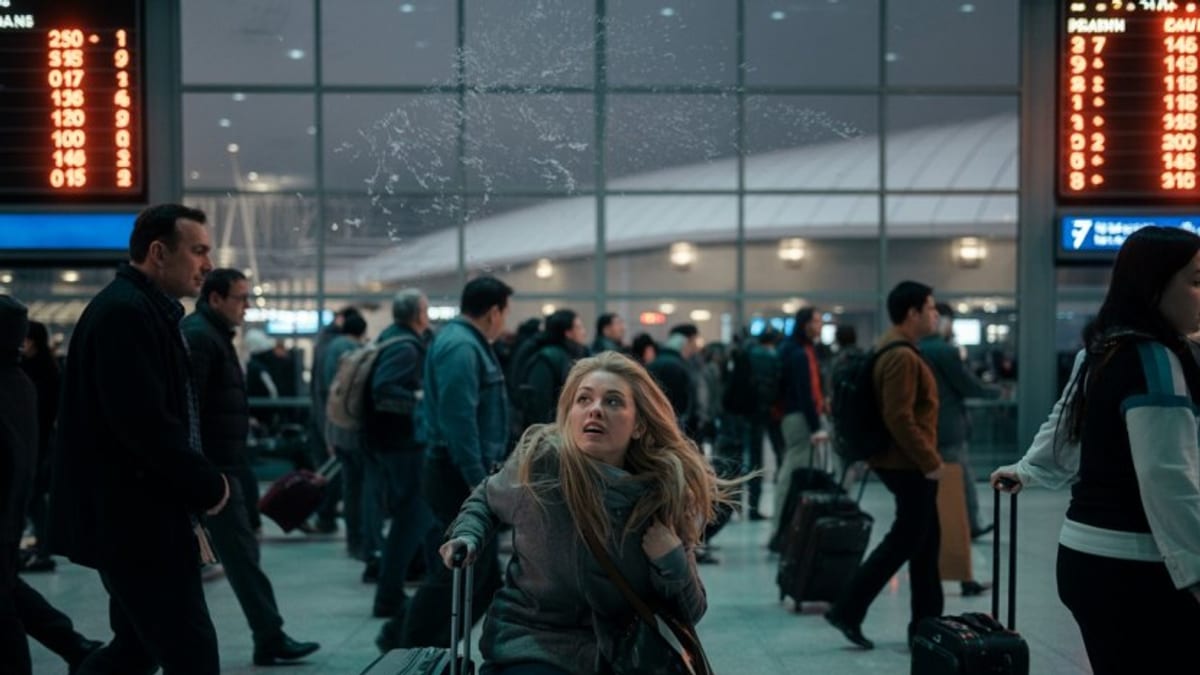
Disruptions Concentrated at Major Coastal and Mountain Hubs
The latest wave of disruptions is centered on some of the country’s most important domestic and international gateways. Airports in California and New York are again reporting some of the heaviest operational strain, reflecting their role as high-density hubs for transcontinental and overseas traffic. New Jersey’s Newark Liberty International Airport, a central node for United’s network and a key transatlantic gateway, is experiencing knock-on delays that are rippling across connections to Europe and the rest of the United States.
In the Southeast, Georgia’s Hartsfield Jackson Atlanta International Airport continues to feel pressure from a busy summer schedule combined with intermittent weather and airspace flow restrictions. The situation is compounded by traffic moving through Denver International Airport in Colorado, where mountain weather patterns, tight turn times, and aircraft repositioning all contribute to a fragile operating environment. Together, these hubs form a corridor of congestion that makes even minor schedule changes more likely to trigger broader delays.
The imbalance between scheduled capacity and day-of-operation constraints is especially evident in these states, where airlines rely on complex banks of arrivals and departures to feed their networks. Once a single bank is pushed back, the backlog can quickly spread across multiple time zones, affecting flights that may not be directly impacted by local conditions but are dependent on inbound crews and aircraft.
Major Airlines Grapple With Network Knock-On Effects
Delta, United, Southwest, American, and JetBlue are among the most visibly affected carriers in the current disruption pattern, reflecting their extensive presence at the impacted airports. International airlines such as Lufthansa and British Airways are also seeing secondary effects as long haul departures and arrivals are forced to work around congestion in US airspace and at US hubs.
Publicly available flight tracking data shows that the disruption is not confined to a single carrier or route type. Instead, a mosaic of late arriving aircraft, compressed turn times, and short-notice schedule changes is driving a mix of moderate and severe delays, particularly on high frequency shuttle routes and busy cross country services. When an early morning transcontinental flight departs behind schedule, the same aircraft may arrive late to operate an afternoon or evening leg, compounding delays into the late hours of the day.
Regional operators feeding major airlines are also feeling the strain. Partner carriers that operate shorter sectors into and out of congested hubs face tight turnaround requirements. When gates, ground handling resources, or crew availability fail to align perfectly, those smaller flights can be delayed, reducing connectivity and leaving some passengers facing missed onward connections.
Weather, Staffing and Airspace Flow Combine to Drive Delays
Although no single cause explains all 28 cancellations and 516 delays, operational data and recent patterns point to a familiar mix of contributing factors. Seasonal thunderstorms along the East Coast and in parts of the Southeast can reduce arrival and departure rates, forcing air traffic managers to meter traffic flows into busy airports like New York area hubs and Atlanta. Even short lived storm cells can lead to ground stops and holding patterns that reverberate for hours.
In parallel, staffing and resource constraints within airlines and at some airports continue to limit resilience. When crews reach duty time limits because of earlier delays, flights can be further postponed while replacement crews are sourced. Ground operations teams, already stretched by peak summer schedules, may need more time to turn aircraft and manage baggage, catering, and maintenance, especially when several flights arrive late in quick succession.
Airspace management has also become a more prominent factor. Temporary restrictions linked to weather avoidance routes, military activity, and large scale public events can reduce the number of aircraft that can safely transit key corridors. As a result, flights operating on already busy routes between the affected states can be assigned longer routings or slower flows, nudging departure and arrival times further away from their schedules.
Impact on Travelers and Which Routes Are Most Affected
The immediate impact for travelers in California, Georgia, New York, New Jersey, and Colorado is a higher risk of missed connections, extended time in terminals, and last minute itinerary changes. Passengers heading to or from major business centers such as New York City, Atlanta, Los Angeles, San Francisco, and Denver report longer than usual queues at check in, security, and customer service desks as airlines work through rebooking requests.
Short haul routes along the East Coast and across the Western states appear particularly exposed to rolling delays, as these flights often rely on tight turn times and multiple legs per aircraft each day. Transatlantic and transcontinental services can also be affected when their departure slots are pushed back or when inbound aircraft arrive significantly behind schedule, forcing airlines to juggle gate availability and crew rest requirements.
Leisure travelers beginning summer holidays, as well as business travelers with tightly scheduled commitments, face heightened uncertainty when passing through the impacted hubs. Cruise departures, international connections, and time sensitive events can all be disrupted when even a single flight segment experiences a substantial delay. The pattern of multiple moderate delays, rather than only a few dramatic cancellations, can be just as challenging, as it gradually erodes buffers built into itineraries.
What Passengers Can Do As Disruptions Continue
Consumer guidance from government transportation resources and airline policy pages indicates that passengers affected by cancellations generally have stronger options than those facing delays, but both groups can take steps to reduce disruption. Travelers are widely encouraged to monitor airline apps and flight status tools frequently, as same day schedule changes can occur rapidly once delays begin to cascade.
Rebooking onto earlier flights, when available, may help some passengers avoid the worst of anticipated afternoon and evening congestion, particularly on routes touching the busiest hubs in California, New York, and Georgia. For those already at the airport, moving quickly to secure rebooked seats, meal vouchers where applicable, or overnight arrangements can make a significant difference when large numbers of passengers are competing for limited options.
Travel advisors and passenger rights organizations also stress the importance of reviewing fare rules and airline commitments in advance, especially for itineraries involving multiple carriers or international legs on airlines such as Lufthansa and British Airways. Understanding whether a ticket is changeable without added fees, and under what circumstances refunds or travel credits may be offered, can help travelers make faster decisions when confronted with cancellation or severe delay notices.