


More news on this day
US travelers are being urged to brace for a volatile late summer as new federal storm-season guidance coincides with disruptive thunderstorms, tropical systems and heat-related weather delays across key air and cruise hubs.
Get the latest news straight to your inbox!
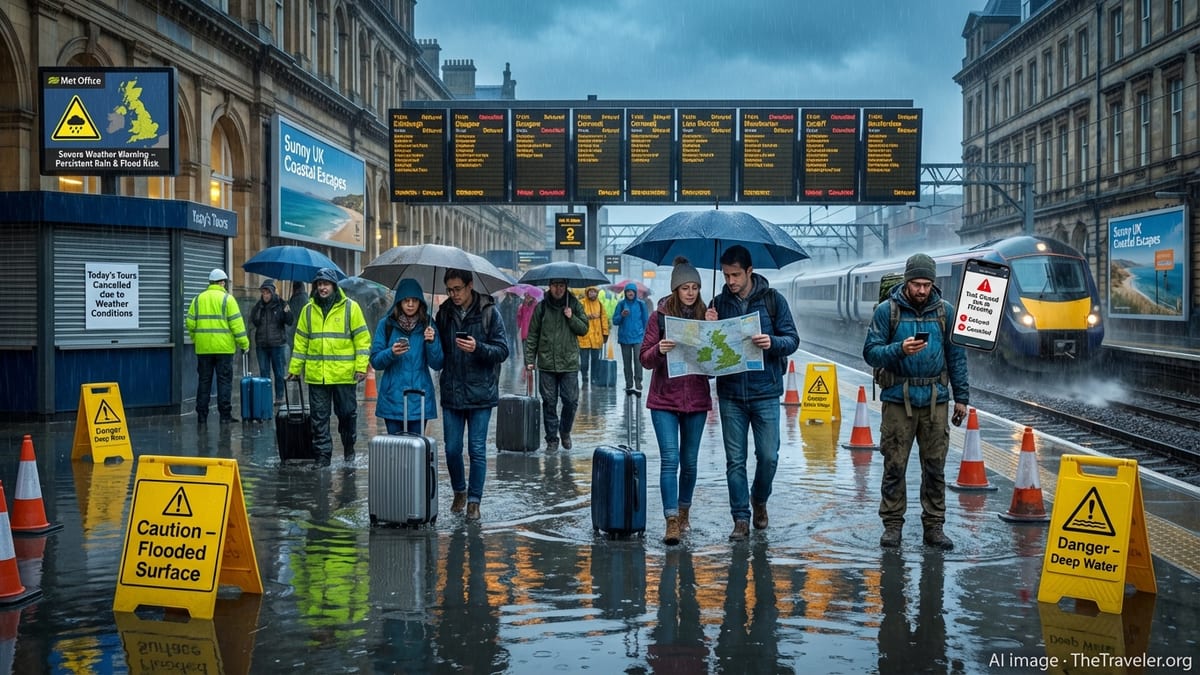
New Advisory Highlights Storm-Season Risks Despite Quiet Forecast
Recent federal communications on summer and autumn travel are emphasizing that a below-normal Atlantic hurricane outlook for 2026 does not eliminate serious disruption risks for US travelers. Publicly available information from the National Oceanic and Atmospheric Administration indicates a 55 percent probability of a below-normal hurricane season, with an expected 8 to 14 named storms and 3 to 6 hurricanes between June 1 and November 30. Even within a quieter season, a single landfalling storm can upend air traffic, strand cruise passengers and shut down popular coastal destinations.
Travel guidance released in parallel with the seasonal outlook urges Americans to treat storm planning as an essential part of trip preparation, particularly for Caribbean, Gulf Coast and Southeast US itineraries. The messaging focuses on practical steps such as monitoring forecasts, understanding airline and cruise change policies and preparing for power or connectivity outages at hotels and resorts. Officials are also encouraging travelers to build more flexibility into itineraries, including leaving extra time for tight connections and avoiding last flights of the day where possible.
Risk is not limited to named storms. Thunderstorm complexes, extreme rainfall and heat-driven turbulence have already triggered ground stops and rolling delays at major hubs this summer, underscoring how even routine weather can cascade into large-scale disruptions at the height of vacation season. As the Atlantic basin moves toward its climatological peak in August, the new warning frames 2026 as a season where complacency could prove costly even if overall storm counts remain modest.
Airlines Face Waves of Weather Delays and Flexible-Change Policies
Air travel across the eastern United States has already seen repeated bouts of disruption tied to severe thunderstorms and slow-moving frontal systems during July and early August. Airlines serving major hubs from Boston and New York to Washington and Atlanta have issued a series of weather waivers, allowing passengers to change travel dates without standard fees when storms threaten to snarl operations. In several cases, these waivers have been expanded or extended as convective outbreaks lingered longer than expected.
These episodes highlight the practical meaning of the new storm-season warning for fliers. Even when tropical activity in the Atlantic is subdued, summer is increasingly marked by pop-up storms that can shut down departure banks for hours at a time. With load factors high on many routes, rebooking options may be limited, and some passengers are learning that having a concrete backup plan can be as important as the original itinerary. Consumer advocates are advising travelers to download airline apps, enable real-time alerts and monitor radar and forecast discussions in the days before departure.
Travel insurers and comparison sites report growing interest in policies that cover trip interruption and missed connections when weather makes flights impossible or unsafe. The new federal messaging stops short of endorsing specific products but underscores the importance of reviewing what existing tickets, credit cards and insurance actually cover in the event of multi-day weather disruptions. For travelers bound for storm-prone regions, the warning notes that nonrefundable hotel and excursion bookings may be difficult to recoup if access is cut off by flooded roads or airport closures.
Cruise Lines Adjust Caribbean and Pacific Routes as Seas Grow More Unstable
The cruise sector is also adjusting to a storm season defined less by overall numbers and more by localized extremes. Industry reports indicate that ships sailing from Florida, the Gulf Coast and Southern California have already implemented itinerary tweaks to skirt areas of unsettled weather, including shifting port calls, shortening stays and rerouting around developing disturbances. While modern cruise vessels can generally avoid the core of major systems, even distant storms can generate rough seas and port closures that alter carefully planned voyages.
In the Caribbean and Gulf of Mexico, the new travel warning points to the importance of flexible expectations. Passengers are being reminded that cruise contracts typically allow operators to modify routes for safety, with limited obligations to compensate for missed ports. Travel publications note that some cruise lines are proactively communicating about storm-season scenarios, explaining how decisions are made when forecasts change and encouraging guests to arrive early in home ports to reduce the risk of missing sailings due to airline delays.
Across the Pacific, seasonal outlooks suggest a more active hurricane pattern, which could affect itineraries to Hawaii, Mexico’s Pacific coast and transpacific repositioning cruises. Travel analysts say this divergence between a quieter Atlantic and a livelier Pacific season adds complexity for Americans choosing warm-weather sailings. The federal guidance urges travelers considering late summer or autumn departures to monitor not just Atlantic but also Pacific storm forecasts, particularly for voyages that cross large expanses of open ocean where route changes can significantly alter time in port.
Coastal Destinations Confront Climate-Linked Volatility
From the Outer Banks and Florida’s Panhandle to popular Mexican and Caribbean beach towns, coastal tourism economies are navigating a storm season shaped by both short-term outlooks and longer-term climate trends. Recent summers have brought a mix of hurricanes, tropical storms, intense rainfall events and prolonged heat waves that strain infrastructure and hospitality workers. Even when structures avoid direct damage, lingering power outages, beach erosion and water-quality issues can depress visitor numbers long after a system moves on.
Tourism boards and hotel groups are increasingly promoting resilience measures as selling points, highlighting upgraded drainage, backup power systems and revised evacuation and shelter plans. Publicly available planning documents from several coastal jurisdictions describe expanded investments in flood control, hardened utilities and emergency communication systems aimed at keeping visitors informed when conditions deteriorate. The new national warning frames these efforts as part of a broader push to normalize storm preparedness for anyone booking coastal vacations.
Climate scientists continue to stress that a below-normal storm count does not necessarily translate to lower risk of high-impact landfalls. Warmer ocean temperatures can fuel rapid intensification, while higher baseline sea levels amplify storm-surge impacts. For travelers, the advisory translates these complex dynamics into straightforward guidance: book accommodations with clear cancellation policies, keep digital and printed copies of key documents and plan for the possibility that a trip may need to be shortened, extended or moved inland on short notice.
What Travelers Can Do Before and During Storm Season Trips
The latest guidance outlines several steps travelers can take to reduce their exposure to storm-related disruption. Planning begins with destination research, including local rainy-season patterns, typical peak months for hurricanes and the presence of alternate airports or overland evacuation routes. Travel experts recommend building at least one buffer day into long-haul itineraries and avoiding tight, same-day connections between separate tickets, especially when a trip involves a cruise departure or a nonrefundable tour.
During the trip, travelers are encouraged to follow local weather updates, pay attention to notices from airlines and cruise lines and avoid risky behavior such as swimming in rough surf or driving through flooded streets. Hotels and resorts often share their own storm procedures at check-in, and guests are advised to familiarize themselves with shelter locations, emergency contacts and any recommendations regarding early checkout if conditions worsen. Keeping mobile devices charged, carrying a small power bank and downloading offline maps can make rapid changes in plan more manageable.
For those still deciding where and when to travel, the 2026 season presents a nuanced picture. The Atlantic may see fewer storms overall, yet the combination of crowded skies, aging infrastructure and climate-intensified extremes means that even routine weather can trigger cascading delays. The new US travel warning does not discourage summer or autumn vacations but signals that successful trips increasingly depend on informed, flexible planning as storm seasons grow more unpredictable.