


More news on this day
The U.S. Mission to the United Arab Emirates issued a fresh security alert urging Americans outside the Middle East to seriously reconsider travel to and through the region, citing heightened tensions that could trigger sudden airspace closures, flight cancellations, and broader travel disruptions.
Get the latest news straight to your inbox!
What the new alert says and why it matters now
Published coverage indicates the U.S. Mission’s alert, dated September 20, 2026, highlights a fast-changing security environment and warns that escalation could be rapid and difficult to predict. The message is aimed not only at travelers planning trips to the region, but also at passengers using Middle East hubs for connections, a common routing for flights between North America, Europe, Asia, and Africa.
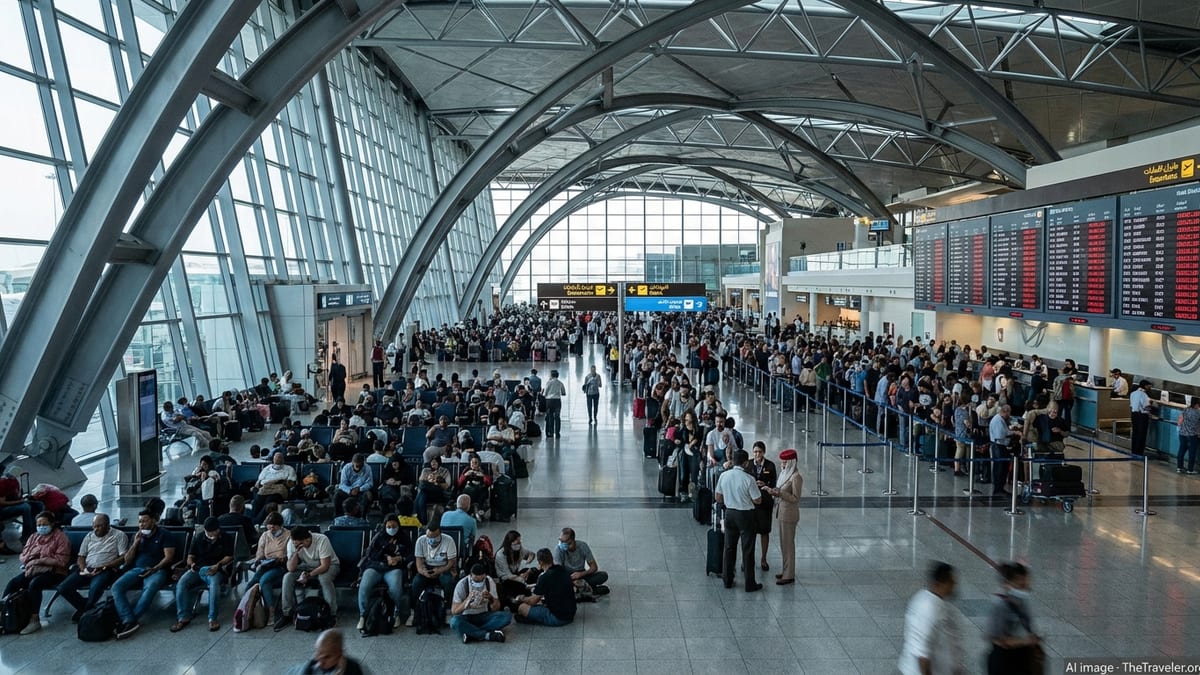
The alert’s practical focus is disruption risk: travelers are advised to closely monitor airline and airport updates and to anticipate sudden schedule changes. The guidance underscores that airspace restrictions can ripple across the region, affecting routings even when a traveler’s destination is not directly impacted.
Separate State Department messaging in 2026 has emphasized similar themes, including the possibility of periodic airspace closures and flight disruptions tied to regional tensions. For travelers, the key takeaway is that disruption can occur with little notice, creating knock-on effects such as missed connections, overnight delays, or last-minute reroutes.
UAE travel advisory level and what “reconsider travel” means
Alongside the mission’s regionwide caution, publicly available State Department guidance currently lists the United Arab Emirates at Level 3, “Reconsider Travel,” with the advisory dated August 29, 2026. The advisory references security risks that can include terrorism concerns and the potential for armed conflict related disruptions, including impacts to commercial aviation.
In practical terms, “Reconsider Travel” is not a blanket ban, and flights may continue operating. However, it is a higher tier of caution that can influence traveler decision-making in several ways, from itinerary planning to employer travel approvals and travel insurance requirements.
Travelers transiting the UAE should also separate two concepts: a country-specific travel advisory for the UAE and a broader regional security alert. The mission’s September 20 alert centers on the Middle East travel environment overall, meaning a traveler could face disruption even if airports in Dubai or Abu Dhabi are operating normally at a given moment.
Air travel impacts: hubs, airspace, and what to check before you go
Regional alerts often translate first into aviation complications. Flight cancellations, altered routings, and intermittent airspace restrictions can affect not only travel to the Middle East, but also flights that cross the region. Travelers connecting through major hubs should verify each segment of their itinerary, including onward legs operated by partner airlines under codeshare arrangements.
For U.S. travelers, this matters because Dubai and Abu Dhabi remain key connection points for long-haul journeys. Even when terminals are open and local operations appear routine, schedules can change quickly for flights serving nearby destinations. Published reporting on September 20 indicated that some regional routes faced cancellations by certain carriers, while major UAE airports continued operating.
Airlines also encourage passengers to rely on direct operational updates rather than assumptions based on prior schedules. For example, Emirates’ customer guidance emphasizes checking flight status before heading to the airport and monitoring notifications for delays or cancellations. Travelers should also ensure their reservation includes current contact details so alerts reach them in real time.
Traveler checklist: practical steps for Americans planning trips or transits
With the U.S. Mission urging Americans to reconsider travel to and through the Middle East, trip planning becomes less about a single destination and more about resilience. That means building itineraries with longer connection windows, favoring changeable fares when possible, and preparing for unexpected overnights due to rerouting or missed onward connections.
For those already in the region, the alert’s emphasis on vigilance and situational awareness is a reminder to track local developments and avoid areas that could become focal points for demonstrations or heightened security measures. Even short-term visitors should confirm hotel contact procedures, keep identification accessible, and maintain backup payment methods in case of disruption.
U.S. travelers are also routinely encouraged to enroll in the Smart Traveler Enrollment Program (STEP) for updates from U.S. embassies and consulates and to make it easier to receive location-specific security messages. Travelers with complex itineraries or multi-country plans may benefit from reviewing advisories for each stop, not just the primary destination.
Beyond security: entry rules and common issues that can complicate UAE trips
Even in calm periods, travel to the UAE can be complicated by legal and administrative factors that travelers sometimes overlook. State Department destination guidance notes that a passport valid for at least six months beyond the date of entry is required, a standard that can disrupt travel plans if a passport is near expiration.
Publicly available information also highlights that some travelers have faced restrictions related to local legal matters, including financial disputes, which can lead to delayed departures. This risk is separate from the current regional alert but becomes more consequential when flight options are already strained by broader disruptions.
For travelers weighing whether to postpone, reroute, or proceed, the combined picture is a reminder that the Middle East travel environment can shift quickly. The most effective preparation is verifying flight operations directly with carriers, understanding advisory levels and what they mean, and leaving room in the itinerary for sudden changes.