


More news on this day
Israel has moved to strip Dutch diplomats in Ramallah of their Israeli-issued status and warned Israelis flying to the Netherlands that they could face invasive baggage checks, in a rapidly escalating dispute over a new Dutch ban on goods from Israeli settlements.
Get the latest news straight to your inbox!
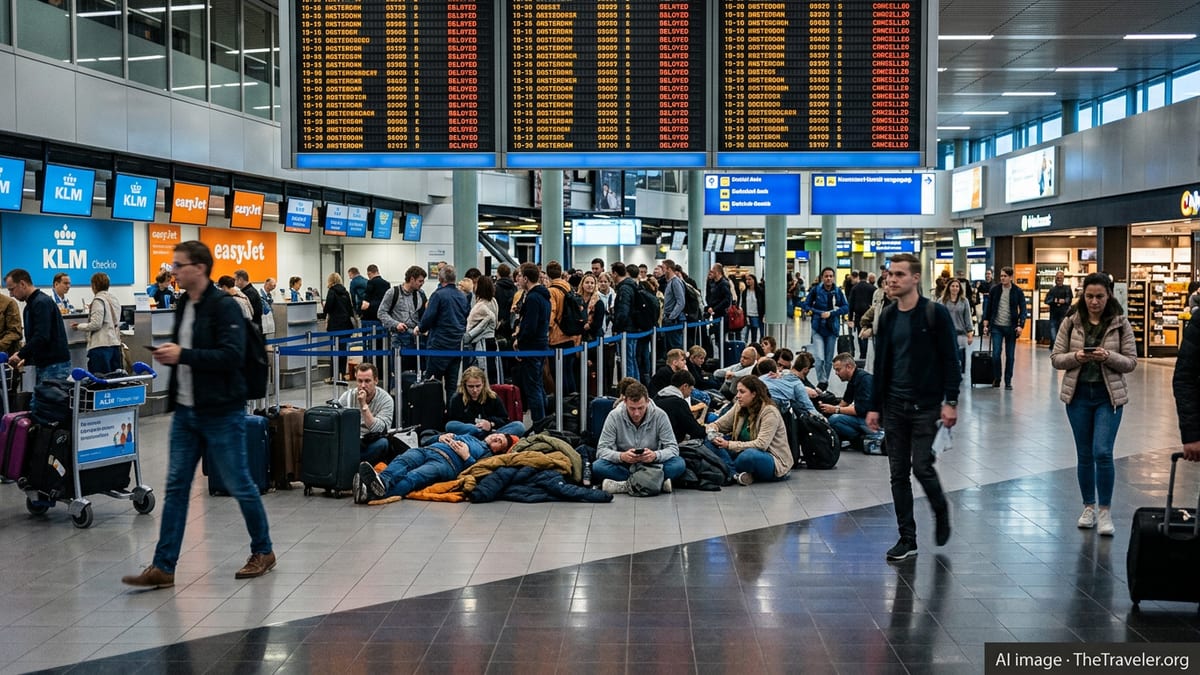
Diplomatic Status Revoked After Dutch Settlement Goods Ban
According to published coverage in Israel and the Netherlands, the Israeli Foreign Ministry notified the Dutch Embassy on September 27, 2026 that Dutch diplomats serving in the Palestinian city of Ramallah must return the diplomatic documentation issued to them by Israel within seven days. Once the deadline passes, their Israeli-granted privileges and immunities are expected to lapse, effectively expelling them from operating on Israeli territory.
The move responds to a Dutch order that came into force on September 22, 2026, banning the import and sale of goods produced in Israeli settlements in the West Bank, East Jerusalem, and the Golan Heights. Publicly available information indicates that the Dutch measure goes beyond customs labelling requirements already in place in parts of the European Union and introduces criminal penalties for trade involving settlement products.
Reports in European and Israeli media indicate that the Dutch order covers not only commercial imports but also private purchases. Goods originating beyond the pre-1967 lines that are brought into the Netherlands in personal luggage can fall under the ban, and violations are described in official Dutch communications as criminal offenses punishable by fines and potential prison terms of up to six years.
Coverage of the Israeli decision frames it as part of a broader policy of responding to what the government describes as unilateral steps against Israel over the status of the occupied territories. Earlier in 2026, Israel had already removed Dutch participation from an international coordination framework on Gaza hosted on Israeli soil, citing similar concerns over Dutch positions.
Rare Travel Warning for Israelis Heading to Amsterdam
In parallel to the diplomatic step, Israel’s Foreign Ministry published a travel advisory for Israelis considering trips to the Netherlands. The advisory, circulated overnight between September 27 and 28, states that passengers arriving from Israel may encounter “difficulties” and “lengthy, invasive baggage inspections” on entry.
The warning follows reports from passengers who flew from Tel Aviv to Amsterdam’s Schiphol Airport and described detailed customs checks shortly after the Dutch order took effect. Israeli and Dutch-language media accounts say that customs officers inspected luggage on at least one recent El Al flight, looking specifically for products believed to originate in settlements or the Golan Heights.
Information released by the ministry notes that officials are still gathering data on the scale of the inspections and how consistently Dutch authorities are enforcing the new rules. The advisory nonetheless urges travelers to be prepared for extended baggage screening and to consider possible delays when planning connections through Schiphol or onward journeys inside the country.
The language of the travel notice is notably sharper than the standard informational updates that often accompany regulatory changes abroad. Commentators in Israeli media describe it as an unusual step toward a close European destination that is popular with Israeli tourists and a major air hub for long-haul routes.
What the Dutch Ban Covers and Why It Matters for Travelers
According to official Dutch documentation summarized in local press, the order covers goods “produced, extracted or grown” in what the Netherlands defines as illegal Israeli settlements. This includes agricultural produce such as dates and olives from the Jordan Valley, wine made from grapes grown in the Golan Heights or West Bank, and other industrial or craft items manufactured in settlements.
Reports indicate that the measure applies regardless of whether the items are carried for personal use, brought as gifts, or intended for resale. Goods purchased before September 22, 2026 are not exempted solely on the basis of purchase date. Dutch customs authorities have publicized the new rules on information screens at Schiphol and through online advisories to passengers.
For Israeli travelers, the immediate impact centers on what they choose to pack. Publicly available information from customs guidance suggests that luggage inspections are focused on detecting goods clearly labeled or otherwise identified as coming from beyond the pre-1967 lines. Travelers carrying food, wine, cosmetics, or souvenirs bought in settlements, in East Jerusalem neighborhoods beyond the line, or in the Golan Heights could be at risk of confiscation of items and potential legal exposure.
Airlines operating the Tel Aviv–Amsterdam route, including Israel’s flag carrier and several European carriers, have not announced schedule changes in response to the dispute as of September 28, 2026. However, frequent flyer forums and social media posts cited in local coverage point to growing concern among passengers about possible delays at passport control and customs due to targeted baggage checks.
Escalating Strains in Israel–Netherlands Relations
The current dispute builds on a wider cooling of ties between Israel and the Netherlands over the conduct of the conflict in Gaza and the status of the occupied territories. Dutch media have reported increased domestic political pressure for tougher measures, including calls from former officials and diplomats for an arms embargo and a review of European trade arrangements with Israel.
Israel has responded over recent months by limiting Dutch participation in some joint initiatives and criticizing what it describes in public statements as “hostile and one-sided” steps. The decision to revoke the Israeli-issued status of Dutch diplomats working with the Palestinian Authority in Ramallah is being interpreted by analysts as a signal to other European governments considering similar settlement-focused measures.
Commentary in Dutch outlets suggests that the government in The Hague is trying to balance domestic legal and political pressures with a desire to maintain working relations with Israel. Officials there have emphasized that the new trade restrictions target activities linked to settlements rather than a broader embargo on Israel, and stress that products made within Israel’s pre-1967 boundaries remain unaffected.
For now, both governments continue to maintain full diplomatic relations at the ambassadorial level, and there has been no formal downgrade of bilateral ties. However, the removal of Dutch diplomatic access via Israel to the Palestinian territories, combined with the settlement trade ban and the Israeli travel warning, signals a more confrontational phase in what has traditionally been a relatively close bilateral relationship within the European Union framework.
Practical Considerations for Travelers and Industry
For leisure and business travelers, the most immediate concern is how strictly Dutch customs will continue to enforce the settlement goods ban and whether baggage checks will remain targeted or become routine for flights originating in Israel. Publicly available reports from the first days of enforcement describe intensive checks on at least one flight but do not yet show a consistent pattern across all arrivals.
Travel industry professionals quoted in regional coverage recommend that passengers flying from Tel Aviv to Amsterdam, or connecting via Schiphol, avoid packing food, beverages, or other products purchased in settlements, including popular wine and date brands often sold in tourist markets. They also advise allowing additional time in travel itineraries in case baggage inspections on arrival extend beyond standard processing times.
On the commercial side, Israeli exporters and European importers dealing with settlement-linked agriculture and manufactured goods face a complete halt in legal access to the Dutch market. Business publications in both countries note that companies involved in wine, fresh produce, and specialty food exports are now reassessing logistics and distribution, with some exploring redirection of shipment volumes to other European destinations that have not imposed comparable criminal penalties.
As the seven-day deadline for the Dutch diplomats’ Israeli documentation approaches in early October, observers in both capitals are watching to see whether additional measures follow. The combination of a highly specific trade restriction, a pointed diplomatic response, and a rare travel advisory has turned the dispute into a test case for how far European governments and Israel are prepared to go over the legal and political status of settlement activity, with travelers caught in the middle of the emerging friction.