


More news on this day
Thai Airways has canceled multiple flights and is racing to clear a mounting baggage backlog at Bangkok’s Suvarnabhumi Airport, as flooding, staff shortages and equipment failures disrupt travel plans and leave stranded passengers demanding answers.
Get the latest news straight to your inbox!
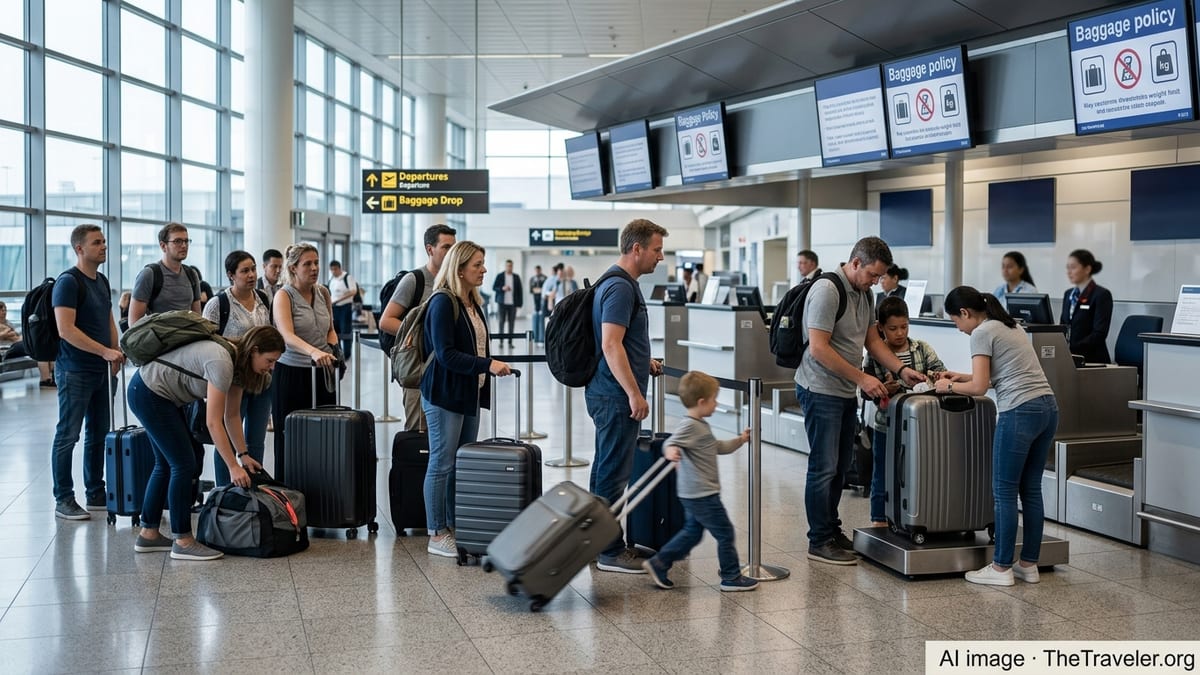
Floods, Ground Staff Shortages and Broken Baggage Carts
Publicly available information from Thai media and airport statements indicates that disruptions began around September 26, 2026, when heavy rain and flooding in Bangkok and surrounding areas made it difficult for ground-handling staff to reach Suvarnabhumi Airport. The reduced staffing quickly affected check in, aircraft turnaround and baggage services across a number of Thai Airways operations.
Reports from Suvarnabhumi Airport describe a combination of flooded access routes and malfunctioning baggage carts used by Thai Airways. The breakdowns added to delays already caused by the lack of personnel, slowing the loading of outbound bags and the unloading and delivery of arriving luggage. Passengers arriving in Bangkok reported waiting for extended periods at baggage carousels, with some flights producing no luggage at all before belts were switched off for the next arrival.
Airport statements and local coverage note that the problems have been concentrated on services handled directly by Thai Airways at Suvarnabhumi, where the carrier manages its own ground operations. Other airlines using different handlers have reported disruption from flooding, but the most severe baggage backlog has been linked to Thai Airways flights, in particular those arriving over the weekend of September 26 to 27.
The operational strain has not been limited to bags. Departure delays for Thai Airways services have been widely reported, as aircraft waited for ground crews to complete loading and safety checks. In some cases, departures pushed back significantly behind schedule, while in others the airline eventually chose to cancel the service entirely.
CEO Issues Public Apology as Baggage Backlog Grows
According to Thai business news outlets, Thai Airways has responded with a series of public announcements acknowledging the scale of the baggage disruption and apologizing to affected travelers. The carrier has stated that it is accelerating efforts to handle delayed luggage at Suvarnabhumi and has committed additional staff to work through the backlog.
Coverage of the airline’s latest statements indicates that Thai Airways expects to begin or continue delivering delayed baggage to passengers who registered claims over the past two days, focusing first on luggage from flights that operated on September 26 and 27. The airline has described the situation as a priority and has emphasized that teams are working extended hours to reunite passengers with their belongings.
The airline’s leadership has also publicly expressed regret for the disruption, with Thai-language and English-language summaries of recent statements characterizing the remarks as a formal apology to passengers. The messaging has highlighted both the impact of flooding on staff availability and the technical failures of certain baggage equipment, while stressing that Thai Airways remains responsible for resolving the situation.
Despite the apology, images and reports shared by travelers show large numbers of unclaimed suitcases lined up in storage areas at Suvarnabhumi. Some passengers have described missed connections to domestic destinations after their inbound flights were delayed and their bags did not arrive, prompting growing frustration as they wait for updates on when their luggage will be located and dispatched.
Flight Cancellations Add to Passenger Frustration
In a move that underscores the severity of the disruption, Thai Airways has announced the cancellation of several domestic and international flights scheduled for September 29 and 30, 2026. According to market and business reports summarizing the airline’s notices, the cancellations are linked directly to the havoc at Suvarnabhumi and the impact of flooding on overall operations.
The carrier has not publicly released a full detailed list of affected routes in English-language summaries, but coverage indicates that the cancellations span both regional and longer-haul services. Travelers booked on those flights have been advised through airline channels and travel agents to check the status of their journeys and explore rebooking options.
Local reporting notes that Suvarnabhumi Airport has been coordinating with Thai Airways to manage gate assignments, adjust schedules and reduce congestion where possible. However, with parts of Bangkok still managing high water levels and transport disruptions, there are practical limits to how quickly full staffing levels and normal ground operations can be restored.
Other carriers serving Bangkok, including low cost and regional airlines, have introduced flexible policies such as free date changes or travel credit for passengers whose plans are affected by the floods. Thai Airways is included among the airlines identified in travel-industry coverage as offering changes for eligible tickets issued for travel during the late September flood period, though specific conditions may depend on fare rules and booking channels.
Stranded Passengers Seek Clarity on Luggage and Rebooking
While Thai Airways and Suvarnabhumi authorities work to stabilize operations, many travelers are still waiting for concrete information about their bags and onward connections. Online travel forums and social media posts describe passengers arriving in Bangkok without checked luggage, queuing to file delayed baggage reports and then leaving the airport with only hand baggage as they continue their journeys.
Information currently available from Thai Airways and independent travel advisories indicates that affected passengers are being asked to register their baggage details with the airline, either at the Baggage Services Office on the arrivals level at Suvarnabhumi or through contact channels promoted in recent announcements. Once bags are located, Thai Airways has stated that staff will reach out by telephone or email to verify delivery addresses and arrange courier services where possible.
For travelers whose flights have been canceled, customer service plans published by the airline for key markets, including services to and from the United States, set out a framework for handling disruptions. These public documents emphasize rebooking on alternative departures, refunds for unused tickets that qualify under fare conditions, and assistance in line with local regulations where applicable.
However, with a large number of passengers affected at the same time, some travelers report long waits to reach call centers or airline counters. Many are turning to airline social media channels, airport information desks and their booking agents for guidance while they wait for official rebooking offers or confirmation that their bags have been found.
What Travelers Flying Through Bangkok Should Expect Now
For travelers planning to transit through or depart from Suvarnabhumi in the coming days, publicly available information suggests preparing for longer processing times and the possibility of last minute schedule changes, particularly on Thai Airways flights. Airport statements emphasize that ground handling remains under pressure even as additional staff and equipment are deployed.
Travel and consumer publications advise passengers to check flight status frequently on the day of travel, arrive at the airport earlier than usual and keep essential items such as medications, valuables and a change of clothes in carry on bags in case checked luggage is delayed. Some coverage also highlights that passengers whose journeys are affected by flooding related access problems may be eligible for date changes without fees under special policies announced by several airlines operating in and out of Bangkok.
As Thai Airways works to clear its baggage backlog and restore normal schedules, the situation at Suvarnabhumi remains fluid. The combination of severe weather, infrastructure strain and airline specific operational issues has created one of the most visible tests of the carrier’s recovery efforts since its restructuring, with many travelers watching closely to see how quickly disrupted services and stranded bags are brought back under control.