


More news on this day
Travelers across Italy are facing a patchwork of disruption on October 30 as a nationwide general strike coincides with a calendar of regional transport walkouts, prompting updated travel alerts and last minute schedule changes.
Get the latest news straight to your inbox!
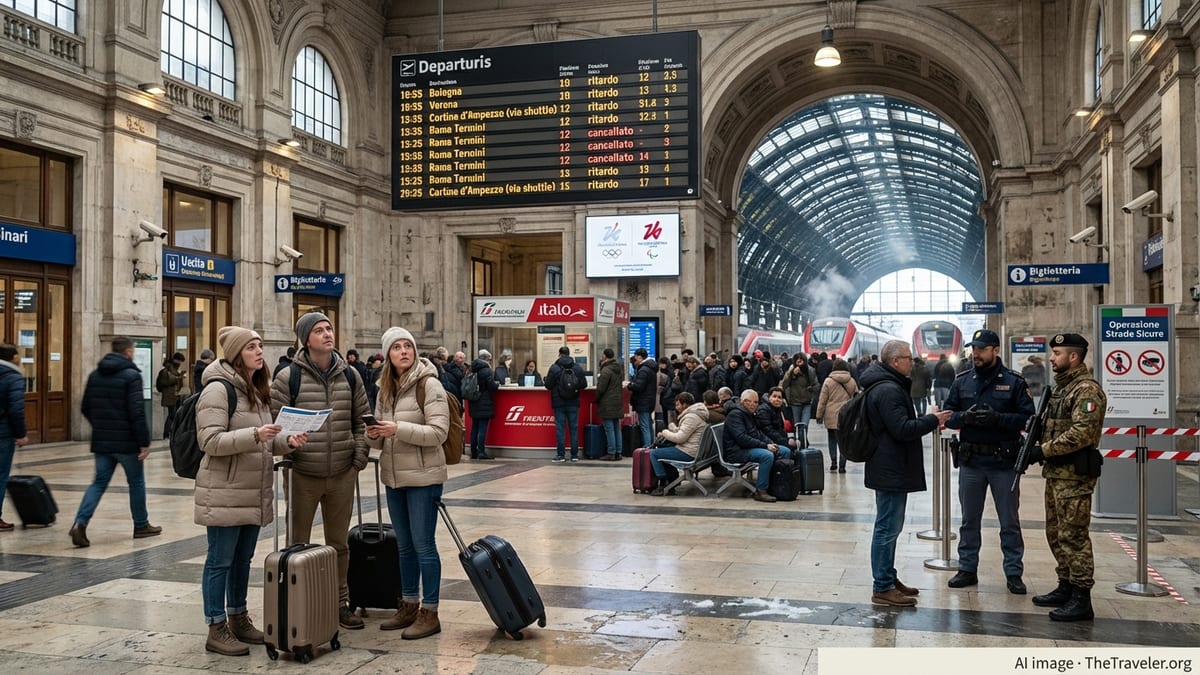
Nationwide General Strike Collides With Busy Autumn Travel
Publicly available information from Italy’s official strike registers and specialist tracking sites shows that grassroots union USB and other labor groups have called a nationwide general strike for Friday, October 30, 2026, covering both public and private sectors. The action comes at the height of the autumn city break season, when visitor numbers to destinations such as Rome, Florence and Venice typically remain high.
According to strike calendars compiled from Italian transport ministry data, the walkout formally runs for 24 hours and includes categories ranging from public administration staff to logistics workers. A separate listing on a UK government travel advisory page notes that industrial action around this date has the potential to affect rail and air travel, highways, local public transportation, schools and some government offices, although the precise impact varies by sector and region.
Reports from strike monitoring platforms indicate that the transport component of the October 30 action has been partially deferred by a ministerial order because the date falls within a legally protected “no strike” window around the All Saints public holiday. As a result, mainline trains and many city public transport services are scheduled to operate closer to normal, even while other sectors continue with the general stoppage.
Despite that intervention, travelers are still being advised by various travel update services to allow extra time for journeys, particularly to and from major stations and airports where demonstrations or staff shortages in ancillary services, such as baggage handling or security, could trigger local delays.
Airports, Ports and Regional Hotspots Face Targeted Walkouts
Beyond the national call for action, regional strike notices highlight additional pressure points for travelers. An Italian strike aggregation site that draws on official notifications lists a 24 hour walkout on October 30 affecting ground handling operations at Pisa and Florence airports, covering workers employed by Toscana Aeroporti, GH Toscana and associated contractors. The action is scheduled from 00:00 to 23:59 and is backed by a private sector branch of USB.
Separate listings point to stoppages among port workers as part of a broader campaign by dock unions to protest working conditions and the handling of military cargo. Recent international coverage has described coordinated demonstrations at key Italian ports, including Genoa, Trieste and Gioia Tauro, with unions signaling their intention to halt some cargo movements for limited periods. While these actions primarily target freight operations, knock on effects such as delayed ferry departures or congestion near port entrances remain a possibility.
Strike trackers also flag a series of local and regional transport actions in October and early November that may overlap with visitor itineraries. Examples include limited hour walkouts on urban public transport in cities such as Genoa and Florence, short strikes on regional bus networks in southern regions, and an eight hour freight rail stoppage scheduled in mid November. Although each action is geographically contained, the cumulative effect can complicate multi leg trips that rely on tight connections.
For air travelers, Italy’s civil aviation regulator maintains a list of “guaranteed flights” during strikes, setting out minimum services that must be preserved on certain domestic and international routes. Recent documentation shows how these guarantees applied during airline and air traffic control strikes earlier in October, suggesting that a similar framework would limit cancellations during future walkouts, even when enforcement orders modify or defer industrial action.
Government Orders Ease Rail and City Transport Disruption
Rail passengers have faced a series of stoppages this autumn, including a national rail strike limited to a three hour window on October 2 and regional rail walkouts in Emilia Romagna and Sicily later in the month. Advisories published by operators such as Trenord reference Italian rules that restrict rail strikes during peak travel periods and require a minimum level of service during defined rush hours.
In the case of the October 30 general strike, a ministerial injunction cited by multiple strike tracking services has postponed the rail, local public transport, air traffic control, taxi and maritime components to a future date yet to be confirmed. The order was issued after the national strike guarantee commission warned that a full transport shutdown so close to the All Saints holiday period could cause disproportionate harm to the right to mobility.
As a result, major rail operators, including Trenitalia and Italo, are displaying normal schedules on booking platforms for October 30, with only isolated, pre existing delays and cancellations reported. Some independent traveler forums, however, indicate that passengers remain wary of potential last minute changes or staffing shortages and are building in additional buffer time or adjusting travel dates where possible.
City transport companies in hubs such as Milan, Rome and Naples have also signaled that metro and bus services are expected to run to standard timetables on October 30, following the deferment of the transport component of the general strike. Nonetheless, local media coverage notes that any street protests linked to the wider movement could still disrupt traffic and surface routes through road closures or diversions, especially around central squares and government districts.
What Travelers Should Expect on the Ground
For visitors already in Italy or arriving around October 30, the immediate picture is one of reduced but not eliminated disruption. With the nationwide transport stoppage for that date officially deferred, most long distance trains and many local services are expected to circulate. However, the wider general strike, targeted regional walkouts and potential demonstrations in city centers mean that journeys may still take longer than usual.
Travel advice services recommend that passengers check their specific train or flight number on the day of travel and monitor operator announcements for any schedule adjustments. During previous strikes in Italy, national carriers and low cost airlines have typically offered free rebooking within a defined window when industrial action was expected to have a significant impact, sometimes accompanied by travel waivers from foreign airlines serving Italian airports.
Visitors planning to connect between airports and city centers are encouraged to consider more than one transfer option. In larger cities, alternatives can include scheduled coaches, regional trains, licensed taxis and pre booked car services. If local public transport is affected by a separate city level strike or a demonstration, travelers may find that services become crowded at short notice, particularly during the morning and late afternoon peaks.
Accommodation providers in major tourist destinations are also updating guests on local conditions. Some hotels are advising travelers to allow extra time when heading to stations or airports, to keep digital boarding passes and rail tickets accessible for inspection during any spot checks, and to stay informed through national news bulletins and official advisory channels throughout the strike period.
Looking Ahead to Further Industrial Action
The October 30 general strike forms part of a wider cycle of industrial unrest in Italy during 2026, with unions opposing rising living costs, wage policies and elements of government economic strategy. Strike tracking resources and recent travel advisories point to additional nationwide and sector specific actions planned in November, including a separate general strike date later in the month that is expected to have a clearer impact on rail services.
For international visitors, this pattern means that transport disruption is likely to remain an intermittent feature of travel in the coming weeks. Specialist travel update services advise that anyone with flexible plans consider building in an extra day before critical long haul departures or important events, especially when their itinerary relies on a single rail connection or a last train of the day.
Travel experts and risk consultants also underline the importance of understanding passenger rights under European Union regulations. In aviation, rules on refunds, rerouting and care apply regardless of the cause of disruption, while specific case law distinguishes between strikes by airline staff and stoppages by external providers such as air traffic control. For rail, Italian consumer information portals describe refund and assistance options when trains are delayed or canceled due to industrial action.
With official strike calendars, real time tracking sites and foreign travel advisories all being updated frequently, the most consistent message for travelers is to verify current information close to departure. While ministerial interventions can reduce the scale of disruption, Italy’s busy strike calendar means that conditions can shift quickly from one day to the next.