


More news on this day
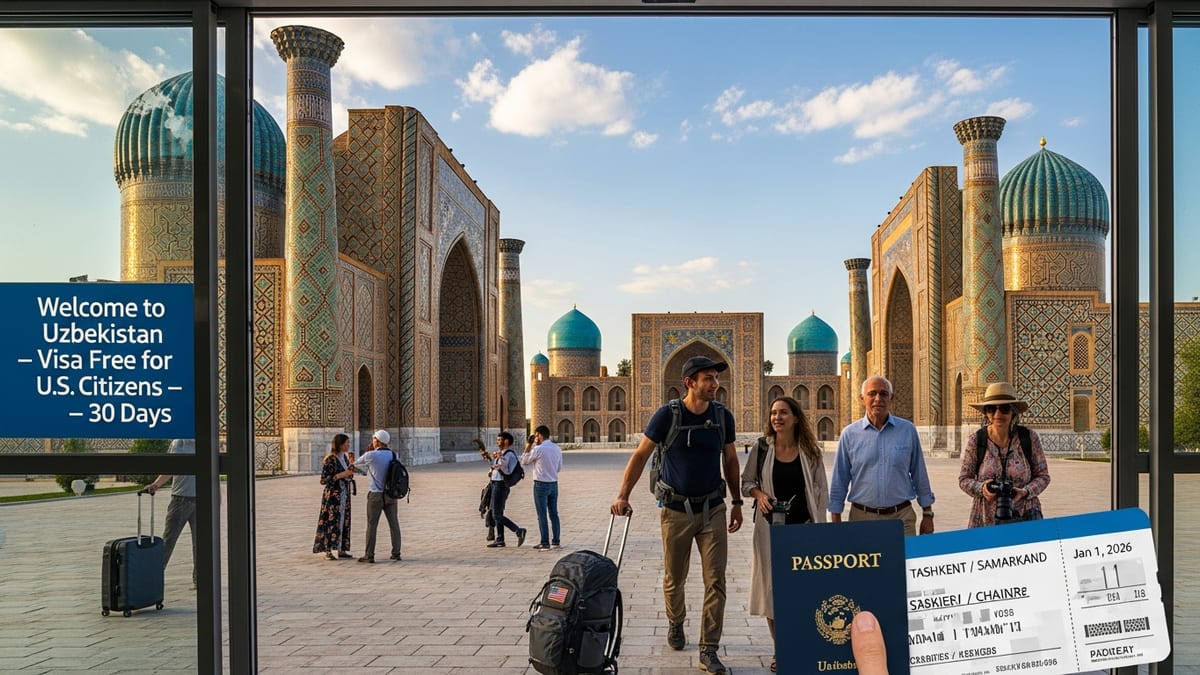
Uzbekistan is stepping up its presence in Southeast Asia as Malaysia prepares for its Visit Malaysia 2026 campaign, positioning the Central Asian nation as a key cultural and pilgrimage destination for Malaysian travellers.
Get the latest news straight to your inbox!
Deeper Tourism Ties Built Around Visit Malaysia 2026
Recent cooperation between Malaysia and Uzbekistan is increasingly framed around the Visit Malaysia 2026 campaign, with both countries identifying tourism as a central pillar of their broader economic relationship. Joint statements in connection with high-level visits have underlined plans to leverage the campaign period to promote Islamic and halal tourism links, opening space for two-way visitor growth.
Publicly available information shows that Malaysia has set ambitious goals for Visit Malaysia 2026, targeting tens of millions of international arrivals and highlighting its cultural, urban and nature-based attractions. Within this context, Uzbekistan has been singled out as a growth market, with travel and tourism agencies in both countries working to align packages, marketing themes and air connectivity ahead of 2026.
Reports indicate that tourism seminars, sales missions and business-to-business sessions held in Tashkent and Samarkand in 2025 have already focused on Visit Malaysia 2026 branding. Uzbek and Malaysian partners used these events to discuss coordinated promotions that would encourage Malaysians to add Uzbekistan to their travel plans and, in parallel, encourage Uzbek travellers to choose Malaysia during the campaign year.
Industry observers note that this dual approach, combining outbound promotion of Malaysia in Central Asia and inbound promotion of Uzbekistan in the Malaysian market, is designed to create a circular flow of visitors that could benefit airlines, hotels and tour operators in both countries through and beyond 2026.
Muslim-Friendly Tourism At The Core Of Cooperation
A central feature of the emerging partnership is a shared focus on Muslim-friendly tourism, a segment that both countries see as strategically important. Malaysia has consistently ranked as a leading Muslim-friendly destination in global indices, while Uzbekistan has been investing heavily in restoring Islamic heritage sites and promoting pilgrimage routes linked to revered scholars and historic cities.
Information released by Malaysia’s Islamic Tourism Centre and related agencies highlights how joint missions to Uzbekistan have showcased Malaysia’s Muslim-friendly tourism and hospitality ecosystem, including certified accommodation, halal food offerings and tailored packages. In return, Uzbek tourism bodies have promoted their own strengths, from the historic cities of Samarkand, Bukhara and Khiva to new cultural institutions dedicated to Islamic civilization.
Uzbekistan has simultaneously advanced its “Umrah Plus” concept, in which travellers combining Saudi Arabia pilgrimages with side trips are encouraged to include Central Asian spiritual and heritage sites. Official roadmaps for this program specifically target an increase in pilgrimage visitors from Malaysia and Indonesia by 2026 and 2027, with themed campaigns built around Ramadan, major Islamic festivals and itineraries linked to celebrated scholars.
For Malaysian travellers planning around Visit Malaysia 2026, this alignment means a growing number of packages that link Kuala Lumpur, coastal and island destinations with post- or pre-tour extensions to Uzbekistan. Travel agents expect demand from Muslim families, study groups and heritage-focused tourists who want to pair Southeast Asian experiences with historical Islamic centers along the Silk Road.
Flights, Routes And New Connectivity Linking The Two Countries
A major factor in Uzbekistan’s strategy is air connectivity, which is expanding in tandem with Malaysia’s wider push to add international routes before 2026. Industry coverage shows that Malaysia is opening a series of new services to and from markets such as Uzbekistan, Japan, China and Sri Lanka, adding thousands of weekly seats ahead of the Visit Malaysia 2026 year.
Uzbekistan Airways has taken an active role in this process, working with Tourism Malaysia on seminars and promotional events and positioning itself as a bridge between Central Asia and Southeast Asia. Reports indicate that the airline has participated in dedicated tourism sessions in Malaysia and hosted follow-up events in Samarkand and Tashkent to connect local tour operators with Malaysian counterparts.
In parallel, low-cost and regional carriers are increasing their presence in the broader Central Asia and Southeast Asia corridor. Coverage from regional tourism outlets points to the launch of new services into Uzbekistan from Southeast Asian hubs from late 2025, with expectations that these will facilitate both point-to-point travel and multi-country itineraries that link Malaysia, Uzbekistan and neighboring destinations.
For travellers, the practical impact is likely to be more direct and one-stop options, shorter journey times and more competitive fares. This improved accessibility is expected to be particularly attractive to Malaysian visitors exploring Uzbekistan’s cultural cities for the first time, as well as to Uzbek travellers planning combined shopping, beach and family holidays in Malaysia during the Visit 2026 period.
Uzbekistan Promotes Its Own Attractions To Malaysian Market
Uzbekistan is not only assisting Malaysia’s campaign but also using the momentum around Visit Malaysia 2026 to highlight its own tourism assets to Malaysian travellers. Promotional events held in Malaysia have showcased Uzbekistan’s cultural heritage, artisan crafts, silk products and historic architecture, often framed as extensions of the broader Silk Road narrative that already resonates strongly with Asian audiences.
One recent presentation of Uzbekistan’s tourism potential in Malaysia featured exhibitions of folk crafts and applied arts, emphasizing the combination of cultural immersion and shopping experiences waiting in cities such as Samarkand and Bukhara. Delegations from Malaysian tour companies have been invited to experience these attractions firsthand, helping them design packages better suited to Malaysian tastes and travel patterns.
Uzbek tourism authorities have also underlined infrastructure improvements, including airport expansions, better road links to pilgrimage sites and upgraded visitor facilities around key monuments. Publicly available government and trade reports note ongoing plans to increase flight connections from countries such as Malaysia and Indonesia, as well as to train more multilingual guides to meet rising visitor expectations.
For Malaysian tourists accustomed to well-developed facilities in domestic destinations, these upgrades are seen as crucial in making Central Asian trips more comfortable and accessible. Indonesian and broader Southeast Asian markets are being targeted in similar ways, suggesting that Malaysia could act as both a source market and a regional hub feeding visitors into Uzbekistan.
What Malaysian Travellers Should Watch In The Run-Up To 2026
As planning intensifies ahead of Visit Malaysia 2026, several themes are likely to shape how Malaysians experience Uzbekistan. Travel industry analyses highlight growing interest in combined itineraries that feature Kuala Lumpur or Malaysian islands together with historic Silk Road cities, marketed as multi-country cultural journeys within the Muslim world.
Travellers can expect to see more Muslim-friendly package combinations, with halal food, prayer facilities and religiously significant sites built into the itinerary from end to end. Pilgrimage-focused campaigns from Uzbekistan, such as those centered on major Islamic holidays and visits to the shrines of influential scholars, are expected to feature prominently in Malaysian travel agency offerings.
Observers also point to the potential for business and event tourism linkages, particularly as Malaysia prepares to host large regional trade shows and tourism marts that coincide with Visit Malaysia 2026. These gatherings are likely to draw Uzbek tourism boards, airlines and private operators, providing additional opportunities for Malaysians to discover new routes and products.
With Uzbekistan actively exploring the massive potential of Malaysia’s Visit 2026 campaign, the next two years are expected to bring a steady roll-out of routes, packages and joint promotions. For Malaysian tourists, that means a widening choice of ways to connect their own country’s landmark tourism year with an emerging Central Asian destination that is keen to welcome them.