


More news on this day
Venezuela is under a severe earthquake emergency after a rare twin quake sequence shattered cities along the northern coast, with at least 920 people reported dead, thousands injured and a vast search and rescue operation continuing as travel warnings expand and fears grow that the toll will rise further.
Get the latest news straight to your inbox!
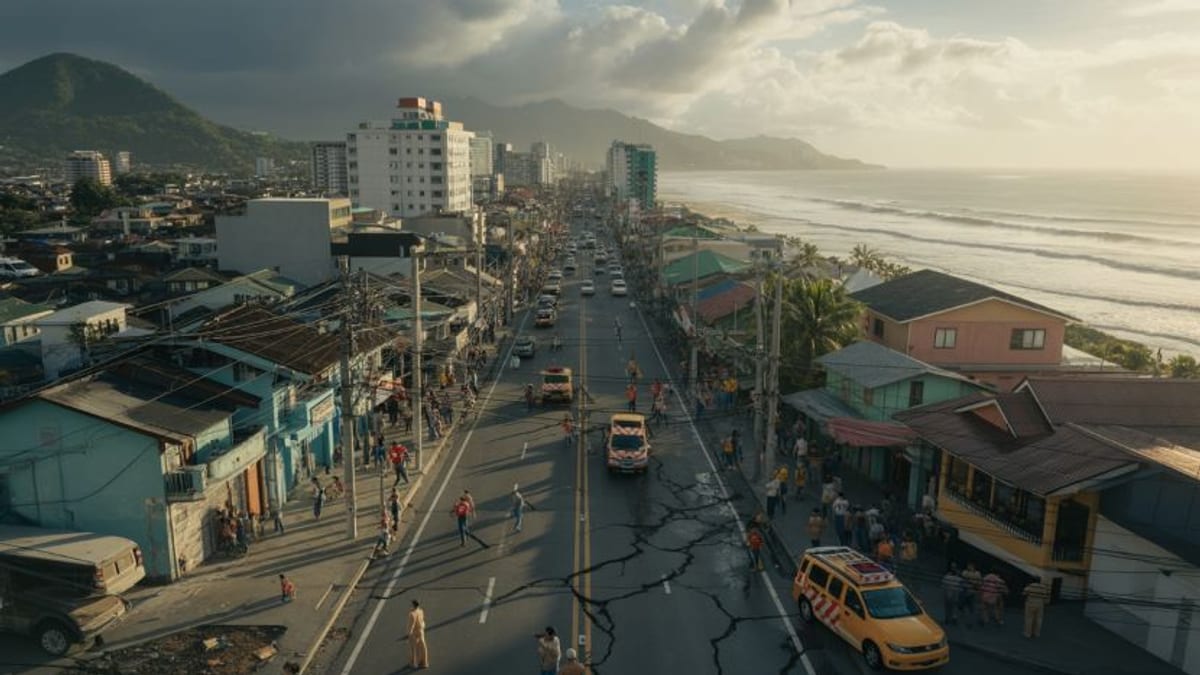
Death Toll Climbs as Twin Quakes Devastate Northern Venezuela
The powerful earthquakes, measured at magnitudes 7.2 and 7.5 and striking just seconds apart on June 24, have been described in scientific assessments as the strongest to hit Venezuela in more than a century. The epicentral area spans inland from the Caribbean coastline west of Caracas, but strong shaking was reported across the capital and the coastal state of La Guaira, home to key port and tourism infrastructure.
Publicly available figures compiled by international and regional outlets indicate that the confirmed death toll has climbed to at least 920, with more than 3,300 people injured and tens of thousands still unaccounted for. Large apartment blocks, hillside neighborhoods and seafront promenades have suffered extensive structural failure, with entire sections of residential districts reduced to rubble.
Satellite imagery and on the ground footage show wide belts of destruction in La Guaira, Catia La Mar and parts of Caracas where soft soils amplified shaking. Emergency bulletins note that critical infrastructure, including bridges, overpasses and sections of the main coastal highway linking the capital to the airport and cruise port, has been badly damaged, complicating access for relief teams.
Humanitarian situation reports warn that the casualty figures remain provisional. With many buildings still collapsed and search operations ongoing, disaster modeling agencies project that the final toll could increase significantly in the days ahead, particularly in dense urban districts constructed before modern seismic standards were widely applied.
Massive Search, Rescue and Relief Efforts Underway
Across the affected corridor, a patchwork of national emergency services, local volunteers and incoming international relief teams is engaged in a race against time. Urban search and rescue units are concentrating on pancaked apartment blocks, schools and commercial centers where people were likely to have been caught when the twin shocks hit shortly after the evening rush hour.
Published coverage describes residents forming human chains to remove debris with hand tools where heavy machinery is scarce or blocked by damaged roads. In several districts, improvised triage points and field clinics have been set up in plazas, stadiums and schoolyards to treat crush injuries, fractures and trauma while hospitals operate beyond capacity and in some cases on backup power.
Health and humanitarian briefings indicate that clean water, sanitation and shelter are emerging as urgent concerns, particularly for people sleeping outdoors due to continuing aftershocks. Temporary camps have appeared along beaches, in public parks and in open spaces on the outskirts of Caracas and La Guaira, where families are staying in tents, vehicles or makeshift structures while assessments of damaged homes continue.
International aid agencies are mobilizing search dogs, technical rescue equipment and medical teams, coordinated through regional disaster response mechanisms. Cargo flights and naval vessels are reported to be delivering field hospitals, water purification systems and non perishable food, though bottlenecks at ports and airports are slowing the onward movement of supplies into the most damaged neighborhoods.
Travel Disruption, Safety Alerts and Impact on Tourism
The disaster has significant implications for travel to and within Venezuela. Major airlines serving Caracas have reduced or suspended some flights in the immediate aftermath, citing runway inspections, terminal damage and disruptions to ground handling operations. Travelers have reported extensive delays, cancellations and diversions as air traffic control manages increased emergency and aid traffic.
Travel industry bulletins and consular advisories from multiple countries now urge travelers to avoid nonessential trips to the most affected regions, especially Caracas, La Guaira state and nearby inland areas where aftershocks, unstable buildings and damaged roads remain a risk. Visitors already in the country are being encouraged to follow local emergency instructions, keep travel documents secure and maintain flexible plans as the situation evolves.
Key tourist-facing infrastructure along the Caribbean coast, including hotels, guesthouses and beachfront promenades, has sustained varying levels of damage. In some resort areas, properties are hosting displaced residents or relief workers instead of tourists. Tour operators are reviewing itineraries that typically include Caracas city visits, coastal stays or cruise excursions through La Guaira, with many shifting to a wait and see posture until structural inspections are completed.
Surface transport has also been hit hard. Reports indicate that sections of highways linking the capital with coastal and inland destinations have been closed due to landslides, buckled asphalt and damaged bridges. Intercity buses are running on irregular schedules or canceled outright on some routes, while urban public transit in greater Caracas is coping with power outages, damaged stations and ongoing safety checks.
Guidance for International Travelers and Diaspora Visitors
For travelers considering upcoming trips, widely shared safety guidance emphasizes postponing nonessential travel to the worst affected zones at least until engineers complete rapid structural assessments and emergency services move from life saving operations to stabilization and recovery. This caution is particularly important for independent travelers who may lack local contacts or language support.
Those who must travel for family, humanitarian or professional reasons are being advised to confirm flight status directly with carriers, monitor consular advisories and prepare for limited services on arrival. Hotels may operate with reduced capacity, intermittent water and electricity, and limited food service. Paying close attention to building exits, avoiding damaged structures and steering clear of cliff edges or unstable hillsides are being highlighted as basic safety steps.
Members of the Venezuelan diaspora planning emergency visits to check on relatives are being encouraged, in publicly available guidance, to coordinate support remotely where possible by sending funds through trusted channels or working with established relief organizations. On the ground, additional arrivals could add pressure to already strained shelter, transport and medical systems, particularly in the first days after the quakes.
Travel insurers are starting to categorize the event as a major catastrophe, and policyholders are being urged to review their coverage for trip interruption, emergency medical care and evacuation. Some underwriters may consider the earthquakes a known event for new policies, affecting eligibility for claims related to future bookings made after official notices were issued.
Regional Risk, Aftershocks and What Comes Next
Seismologists describe the Venezuelan quakes as a classic example of a seismic doublet, in which two large events occur within a very short interval along the same fault system. Background material from regional geological services notes that a significant proportion of the country’s population lives in areas of elevated seismic risk, particularly along the northern belt where tectonic plates interact beneath densely populated cities.
In the days following the main shocks, hundreds of aftershocks have been recorded, including several strong enough to be felt across the capital region and coastal states. Civil protection messages caution that aftershocks can further weaken already damaged structures and trigger additional landslides, underscoring the importance of avoiding partially collapsed buildings and steep slopes.
Attention is already turning to the medium term recovery and how the disaster may reshape Venezuela’s urban landscape and tourism economy. Reconstruction of housing, hotels, transport corridors and port facilities is expected to take years and require significant external financing. Observers point out that rebuilding offers an opportunity to strengthen enforcement of seismic building codes and to relocate the most vulnerable communities away from unstable hillsides and flood prone coastal strips.
For travelers and the global tourism sector, the situation in Venezuela will remain fluid. Over the coming weeks, improved assessments of infrastructure, services and security conditions will help determine when limited leisure travel might safely resume in some regions. Until then, the country’s immediate focus remains on saving lives, restoring basic services and supporting millions of residents whose homes and livelihoods have been upended in a matter of seconds.