


For many travelers, a big concert or game is the centerpiece of a trip. You fly into New York for a Broadway weekend, tack a Taylor Swift date onto a summer in Europe, or plan your Las Vegas getaway around a boxing match. Increasingly, those plans run through one company: Ticketmaster. Its reach is so broad that in May 2024 the US Department of Justice, joined by dozens of states, filed an antitrust lawsuit accusing Live Nation and its Ticketmaster subsidiary of illegally monopolizing the live events market and driving up prices for fans. Against that backdrop, buying tickets through the platform has never felt more confusing or high stakes, especially if you are traveling from out of town or overseas.
Get the latest updates straight to your inbox!
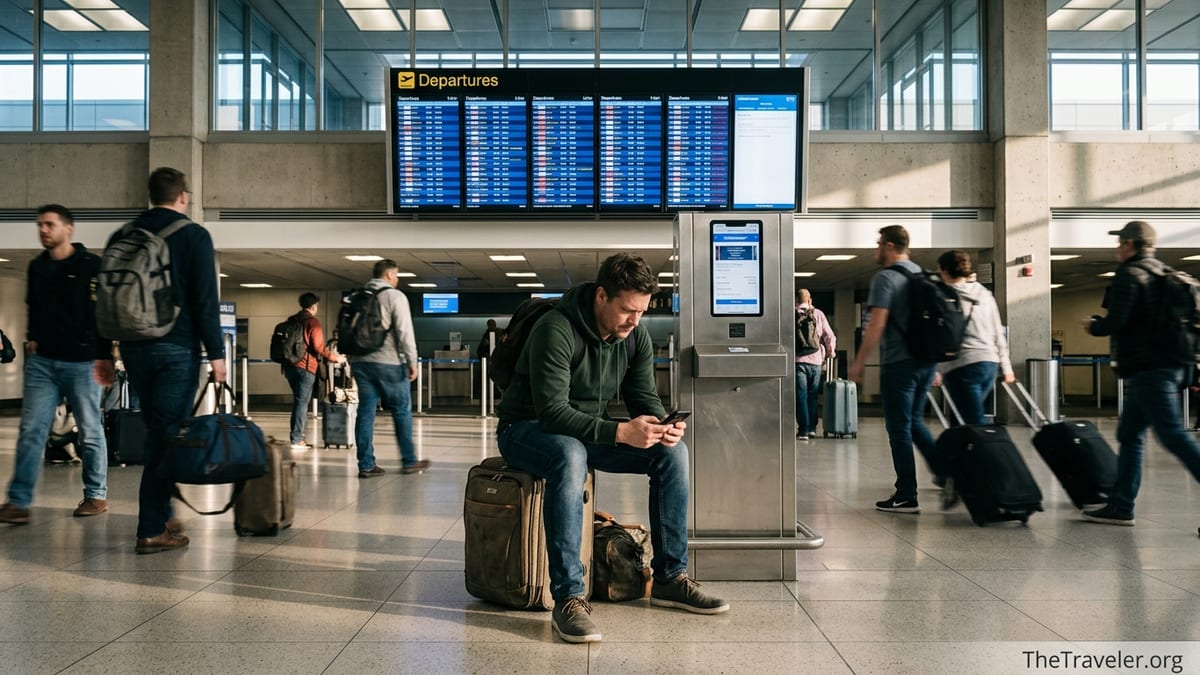
Why Ticketmaster Is Different When You Are Traveling
Buying a ticket for a hometown show is one thing. Buying on Ticketmaster when you are planning flights, hotels, and a tight itinerary around a single event is very different. If something goes wrong with a local show, you might shrug and catch the artist next time. If your New York Yankees tickets do not scan after you have flown from London or São Paulo, you have lost not only the ticket price but a key part of your trip.
Travelers often underestimate how rigid Ticketmaster’s rules can be once a purchase is complete. Many events do not allow name changes, some do not permit ticket transfers at all, and exchange or upgrade policies are narrow. According to Ticketmaster’s own help pages, exchanges are often limited to certain events, must be done within strict time windows, and typically require that you bought directly from Ticketmaster rather than a resale or through a transfer. That leaves travelers exposed if plans shift or if there is an issue with the tickets on the day.
At the same time, regulators have alleged the company has little competitive pressure to improve. The Justice Department’s 2024 lawsuit argues that Live Nation and Ticketmaster have used their dominance across venues, promotion, and ticketing to stifle rivals and keep fees high. For travelers, that context matters. When your choices are constrained, the only real protection you have is rigorous preparation and a clear understanding of Ticketmaster’s traps.
All of this becomes even more critical on bucket list trips. Think of flying to Los Angeles to see a once-in-a-lifetime reunion tour at SoFi Stadium, or traveling to Paris to catch a major pop star at the Stade de France. With airfare, hotels, and time off work on the line, a basic mistake at checkout on Ticketmaster can easily cost hundreds or even thousands of dollars once you factor in the rest of your travel spend.
Underestimating Fees and “Dynamic” Pricing
One of the biggest shocks for travelers is the gap between the advertised ticket price and the final amount at checkout. Service fees, processing fees, and facility charges can add 20 to 30 percent or more to the cost, and because many travelers are paying in a foreign currency or with a rewards card, they only realize how much they overspent when the credit card statement arrives back home.
Dynamic pricing compounds the problem. Ticketmaster’s “platinum” and variable pricing models raise or lower prices in real time based on demand, similar to airline seats. For popular tours, this has produced headline-grabbing numbers: when Bruce Springsteen tickets went on sale in 2022, some mid-range seats briefly jumped to over 4,000 or even 5,000 dollars, while the average buyer still paid in the low hundreds. For a traveler trying to match tickets with fixed flights and hotels, that volatility makes it hard to budget and easy to panic-buy at inflated prices.
Another common mistake is assuming that “Verified Resale” means a fair deal. Investigative reports and lawsuits have alleged that Ticketmaster and its parent Live Nation profit from both the original sale and the marked-up resale, creating incentives for scarcity and higher prices. Travelers who miss the initial on-sale often head straight to resale listings, not realizing that the same nosebleed seat in Las Vegas that was 150 dollars on day one is now 450 dollars plus resale fees. By the time they add that to two nights on the Strip and a flight from Chicago, the total trip cost is blown.
Practical habits can help. If you are planning a trip around an event, set a firm maximum ticket budget before the on-sale and stick to it. Watch presale and general sale pricing patterns for a few minutes instead of clicking the first seats that appear; sometimes prices settle once the first surge passes. If prices are astronomical on day one for a large arena or stadium, consider waiting a week or two before locking in flights, especially if you are flexible about dates or sections. For big cities like New York or London, where there are multiple events and venues, it can be smarter to plan the trip first and treat the show as a bonus rather than the anchor.
Ignoring Transfer Restrictions and Non-Transferable Tickets
Perhaps the most painful mistake travelers make on Ticketmaster is assuming that every digital ticket can be freely transferred or resold if plans change. That used to be largely true with paper tickets and even early mobile passes. Today, a growing number of events are sold as “non-transferable” or “mobile only,” with barcodes that do not appear until a day or two before the show and that are locked to the original buyer’s account.
Real-world stories from fans are sobering. Travelers have reported buying tickets through secondary sites for shows where Ticketmaster later marked the official tickets “non-transferable,” leaving them stuck when the transfer button in the app stayed permanently greyed out. Others booked big nights, such as Tyler Childers or Sleep Token arena dates, then discovered that the tickets could not be transferred to friends when they could no longer attend. In many of these cases, Ticketmaster still allowed resale through its own marketplace but blocked direct transfers, forcing fans to resell and friends to buy back through the platform with additional fees.
This is especially risky for travelers organizing group trips. Imagine you purchase six “non-transferable” tickets for a New York concert while you are based in Toronto and your friends are flying in from different cities. If the tickets are locked to your account and your phone dies, you get stuck at immigration, or you miss a connecting flight, the rest of your group could be stranded outside Madison Square Garden with no way to get in. Policies in Ticketmaster’s purchase terms often state that only the original purchaser has the right to enter, which can leave travelers with almost no recourse.
Always check the fine print before you buy. During checkout, look for language about “non-transferable,” “name on ticket,” or “ID required.” In the app, check whether the transfer feature is enabled well before the event rather than assuming it will be. If Ticketmaster notes that barcodes will be released only 24 to 72 hours before the show, be very cautious about building a long-distance trip around that ticket, because it limits your ability to test the ticket or hand it off to someone else if your travel plans shift.
Trusting Third-Party Resellers Without Understanding the Risks
Another major mistake travelers make is assuming that if a ticket appears in a marketplace like StubHub, SeatGeek, or a social media listing, and it mentions Ticketmaster, it must be safe. In reality, the connection between Ticketmaster’s policies and third-party resale platforms has become increasingly complicated. For events with strict non-transferable rules, some resale sites still list tickets based on the assumption that transfer will be enabled closer to the date. When that does not happen, buyers are left scrambling just days before their flight.
Consider a traveler from Denver who buys a “100-level” ticket for a non-transferable arena show in Boston through a third-party platform in January, when the concert is scheduled for April. The listing promises that the Ticketmaster transfer will be completed “no later than three days before the event.” If the artist or venue later decides to keep the Ticketmaster tickets locked to the original purchaser and only allow entry with their app, the reseller may have to cancel the sale, offer a last-minute replacement in another section, or issue a refund. That may be a financial solution, but if you have already booked non-refundable flights and a hotel in Boston’s Back Bay, it does nothing to get you into the show.
Travelers also misunderstand where Ticketmaster’s responsibilities end. Ticketmaster’s own policies make clear that if you buy a resale ticket through their interface, you are purchasing from an individual seller or broker rather than from Ticketmaster itself, and that many standard guarantees apply only to primary purchases. If you bought your ticket on a third-party site that then sourced it from Ticketmaster, you may find yourself shuttled between two customer service desks, each insisting the other is responsible for resolving the problem.
To protect yourself, prefer primary tickets bought directly through Ticketmaster for trips that require airfare and hotels, even if that means a less glamorous section or a different date. When using third-party resellers, look for clear guarantees that address non-transferable situations and late barcode releases, and pay with a credit card that offers strong dispute rights. Be skeptical of any listing that cannot show an actual seat location or that promises delivery only a day or two before the event when you are already on the road.
Overlooking Currency, Location, and Payment Pitfalls
For international travelers, Ticketmaster’s country-specific sites and currency handling can introduce unexpected costs. A US-based traveler buying tickets for a show in London, Paris, or Toronto may be shunted to a local version of Ticketmaster with prices quoted in pounds, euros, or Canadian dollars. If you click through quickly, you might focus on the face value and ignore how your bank converts that amount, including foreign transaction fees and less favorable exchange rates.
Exchange rate swings can make a significant difference when shows cost several hundred units of local currency. A pair of 180-euro tickets for a major stadium show in Europe might look comparable to US prices on screen. By the time your US credit card converts the charge and adds a 3 percent foreign transaction fee, you may find you have effectively paid close to 220 dollars per ticket, on top of dynamic pricing and service fees. Multiply that across four friends and the numbers add up quickly, especially when the same card is used to book flights, hotels, and restaurant deposits.
Location can affect access too. Some presales or offers are geo-restricted, favoring customers with local billing addresses or specific mobile numbers. Travelers sometimes spend hours in online queues for a Canadian or UK show, only to see their payment rejected because their billing address is in the United States. In other cases, fraud filters may decline a large Ticketmaster purchase that does not match your typical spending pattern, and by the time you call your bank to clear it, the on-sale window has passed and prices have surged on resale.
Prepare by using a no-foreign-transaction-fee card for international Ticketmaster purchases and informing your bank about large, unusual charges in advance. Take screenshots of your order confirmation page and keep the email receipt handy when crossing borders, especially if your entire trip to a destination such as Las Vegas, Toronto, or Berlin hinges on that one event. If you are buying on a foreign Ticketmaster site, double-check whether there are local ticketing partners that might offer a clearer cancellation or exchange policy for travelers.
Not Reading the Fine Print on Refunds, Cancellations, and Exchanges
Many travelers assume that if a show is postponed or if they cannot attend for a valid reason, they can simply get a refund or swap dates. Ticketmaster’s actual policies are much tighter. Their help pages stress that exchanges or upgrades are allowed only for select events and often only when you purchased directly from Ticketmaster, not via transfer or resale. Add-ons like VIP packages, merch bundles, or parking can be non-refundable even when the underlying ticket can be exchanged.
Problems arise when travel plans intersect with these rigid rules. Imagine you booked non-refundable flights from Dallas to Chicago for a Saturday night concert, only to see the show rescheduled to Monday after a production issue. In many cases, Ticketmaster may treat a rescheduled date as still valid, leaving you with the choice of eating your travel costs to stay the extra days or accepting a credit for the ticket only. Airlines and hotels may or may not make exceptions, particularly if the change occurs close to departure.
Class actions and regulatory scrutiny have focused on the opacity of these arrangements. Consumers have complained that some events are advertised with prominent “all sales final” language, but do not make equally clear which elements are refundable in cases of force majeure, illness, or border issues. For travelers crossing international lines, that ambiguity is magnified by visa delays, airline cancellations, and changing health regulations that Ticketmaster’s blanket policies rarely address.
Before anchoring a trip around a ticket, read the event page sections on refunds, postponements, and “act of God” clauses. Look carefully at what happens if a show is rescheduled rather than outright canceled. Consider paying slightly more for flexible hotel rates or airline tickets if you are betting your entire itinerary on one major event that could be moved or modified. If you see vague terms or lots of exceptions around VIP experiences and extras, treat those add-ons as sunk costs that you might not recoup if anything goes wrong.
Assuming Technology Will Work Smoothly on the Day
Mobile-only tickets sound convenient until you are standing in a foreign city with a dying phone, patchy roaming, and a stadium’s overloaded Wi-Fi. A surprisingly common mistake among travelers is assuming that Ticketmaster’s app will always load quickly at the gate. In reality, many venues rely heavily on the app’s real-time barcode generation, which can be slow or glitchy when tens of thousands of people are trying to open their tickets at once.
Travelers are particularly vulnerable because they often rely on international roaming rather than local data plans. If you have bought tickets for a packed Saturday show at London’s O2 Arena or a sold-out baseball game in New York, you may find that your foreign SIM or eSIM struggles with network congestion just when you need it most. If your Ticketmaster account also requires multi-factor authentication via text or email, being unable to receive a code can lock you out at the worst moment.
There are straightforward ways to reduce these risks. Log into the Ticketmaster app on the device you plan to use several days before the event while you are on reliable Wi-Fi, and ensure the tickets appear in your account. If the platform allows, add the tickets to a mobile wallet so that barcodes are stored offline. Take screenshots as a backup, understanding that some venues still insist on scanning the live, rotating barcode, but that screenshots can help if there is a dispute at the gate.
For group travel, never rely on a single person’s phone. If you hold multiple tickets, see whether Ticketmaster will let you transfer at least some to other members of your party well in advance, even if you plan to attend together. That way, if one phone is lost, stolen, or fails, not everyone is locked out. Carry a backup battery pack, keep your phone fully charged on travel days, and know where the venue’s box office is in case you need in-person assistance.
The Takeaway
Ticketmaster may be the default gatekeeper for major concerts, sports events, and theater performances, but it is not designed around the needs of long-distance travelers. Fees can balloon well beyond the face value, dynamic pricing can spike costs at the exact moment you feel pressured to buy, and complex rules on transfers, refunds, and mobile entry can turn a single click into a high-risk commitment.
For travelers, the safest approach is to treat Ticketmaster purchases as seriously as booking airfare. Read every line of the event page and purchase policy, note any mention of non-transferable or mobile-only tickets, and understand what rights you do and do not have if plans change. Whenever possible, buy directly from Ticketmaster in the country where the event takes place, use a payment method with solid consumer protections, and avoid third-party resellers for trips that cannot be easily rescheduled.
Most important, build resilience into your itinerary. Choose flexible hotel and flight options when feasible, leave buffer days around critical events, and do not overextend your budget chasing platinum-level seats that rely on speculative resale markets. If you plan carefully and respect the realities of how Ticketmaster now operates, you can still weave unforgettable live experiences into your travels without letting one ticketing platform dictate the success or failure of your trip.
FAQ
Q1. Is it safe to plan an entire trip around a Ticketmaster event?
It can be, but only if you fully understand the event’s transfer, refund, and rescheduling rules and are willing to buy flexible airfare and hotels in case plans change.
Q2. How can I avoid paying the highest dynamic prices on Ticketmaster?
Set a firm budget before the on-sale, watch pricing for a short period instead of panic-buying the first seats offered, and consider waiting if it is a large venue and prices look unusually high on day one.
Q3. What does “non-transferable” really mean for my Ticketmaster tickets?
Non-transferable usually means the tickets are locked to the original buyer’s account, may require that person’s ID for entry, and cannot be given or sold directly to someone else outside approved channels.
Q4. Are third-party resale sites safe for travelers who need Ticketmaster tickets?
Some can be reliable, but they add extra layers of risk when events have non-transferable policies or late barcode releases, so they are not ideal for trips involving flights and hotels.
Q5. What should I check before buying international event tickets on Ticketmaster?
Confirm the local currency, any foreign transaction fees from your bank, whether your billing address is accepted, and what the local Ticketmaster site says about transfers and refunds.
Q6. Can I get a refund if a show is rescheduled and I cannot extend my trip?
Often you can only get a refund if the event is canceled outright, not merely rescheduled, so you should read the event page carefully and not assume travel-related issues will be covered.
Q7. How do I reduce the risk of app or barcode problems on the day of the event?
Log in ahead of time on the device you will use, add tickets to a mobile wallet if possible, take screenshots as a backup, and keep your phone charged with a power bank on travel days.
Q8. Is it better to buy cheaper seats directly from Ticketmaster than better seats on resale?
For most travelers, primary tickets from Ticketmaster are safer than resale seats, because they reduce transfer complications and are more likely to be covered by standard guarantees.
Q9. What can I do if I discover my Ticketmaster tickets are non-transferable after I have booked travel?
You can contact Ticketmaster and the venue to confirm the policy, explore official resale options if allowed, and adjust your trip if necessary, but you may have limited options if the rules are strict.
Q10. How far in advance should I buy tickets for a trip that includes a major event?
Buy as early as you can while still having time to read and understand the terms, then book travel once you know whether tickets are transferable, refundable, and compatible with your itinerary.