


Planning a trip to Venice often leads to a surprisingly practical question: should you fly into Venice Marco Polo Airport or Treviso Airport? Both are marketed as gateways to the lagoon city, both serve popular airlines, and both can work for a Venice city break or a wider Veneto itinerary. Yet the experience on the ground is very different. This guide compares Venice Marco Polo (VCE) and Treviso (TSF) in detail so you can match the right airport to your flights, budget, and travel style.
Get the latest updates straight to your inbox!
Big Picture: How VCE and TSF Really Differ
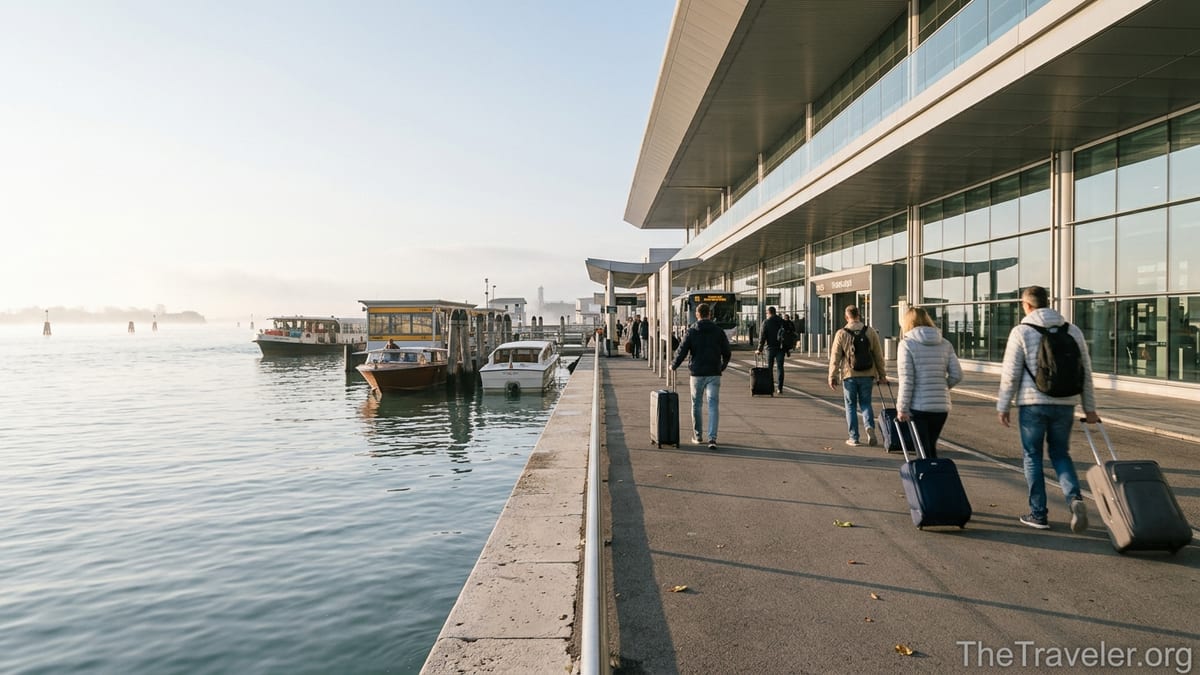
Venice Marco Polo Airport (VCE) sits on the mainland edge of the Venetian lagoon, about 13 kilometers from Venice’s historic center. It is the main international airport for the region, handling a large mix of full-service and low-cost carriers with hundreds of flights each day. You can see the lagoon as soon as you walk out of arrivals, and you have direct land and water connections into the city.
Treviso Airport (TSF), officially Treviso Antonio Canova, is around 30 to 35 kilometers from Venice and right next to the smaller city of Treviso. It is much smaller and used mainly by low-cost airlines, particularly Ryanair and Wizz Air. Schedules and routes tend to be more seasonal and can change more often, which is great for snagging cheap fares but can require flexibility.
In practical terms, Marco Polo is about convenience, choice of airlines, and smoother access to Venice itself. Treviso is about low-cost flights, especially from European cities served by Ryanair or Wizz Air, at the price of a longer and more segmented onward journey. If you imagine landing, grabbing your bags, and being in central Venice within an hour, VCE fits that picture. If you are happy to trade time and an extra transfer for a lower ticket price, TSF can make sense.
Many travelers planning their first Venice trip are surprised to discover that some “Venice” flights actually land at Treviso. Before you book, it is worth reading the airport code carefully and considering not just the airfare but also your arrival time, where you are staying, and how confident you feel handling buses, trains, and waterbuses after a potentially long flight.
Airlines and Routes: When Each Airport Makes Sense
Marco Polo Airport functions as a proper international hub for the Veneto region. It hosts a broad mix of airlines, including flag carriers such as ITA Airways and Lufthansa, European network airlines like Air France, British Airways, KLM, and Iberia, and long-haul operators such as Emirates and Air Canada. Low-cost carriers are also well represented, with Ryanair, easyJet, Wizz Air, and Volotea operating extensive networks. Recently, Wizz Air has continued to expand its base at VCE, adding more Airbus A321neo aircraft and new routes, which translates into more options and frequencies for budget-conscious travelers flying into the main airport.
Treviso, by contrast, is dominated by low-cost carriers. Ryanair operates most of the traffic, with a web of short- and medium-haul European routes that shift somewhat with the seasons. Wizz Air and Wizz Air Malta also serve TSF with select routes to Central and Eastern Europe. On any given summer weekday, arrivals boards are likely to show flights from cities such as Brussels Charleroi, Paris Beauvais, Krakow, Valencia, or Bucharest. For travelers based near secondary airports served mainly by low-cost carriers, TSF often appears as the cheapest “Venice” option.
A concrete example: a traveler from London might find three realistic choices for a spring weekend. One is a British Airways or ITA flight from Heathrow to VCE, another an easyJet flight from Gatwick to VCE, and a third a Ryanair flight from Stansted to TSF. The Ryanair fare might easily undercut the others by 30 to 60 euros. But the decision is not just about that price difference; it is also about what happens after landing.
Another example: someone coming from North America will almost always fly into Marco Polo. Transatlantic services typically arrive there, sometimes via hubs like Frankfurt or Paris. TSF does not handle intercontinental long-haul flights. If you are connecting from an overnight flight from New York to a cheap Ryanair hop, you would still land at VCE or another major European airport first, then change planes. For most long-haul travelers, the question becomes whether to connect straight into VCE or to add an extra low-cost segment into Treviso to save money, accepting more complexity and travel time.
Low-Cost vs Full-Service: Price vs Practicality
Treviso’s main appeal lies in ticket prices. It is a classic low-cost base where passengers trade frills and airport amenities for cheap point-to-point fares. It is not unusual to see promotional one-way prices under 30 euros from various European cities outside peak periods, especially when booking ahead and traveling with just a small cabin bag. For group trips, students, or frequent weekenders, these savings can add up, even once you factor in transfer costs.
Marco Polo also has low-cost carriers but the fare pattern is different. You may find competitive prices from easyJet, Ryanair, Wizz Air, or Volotea to cities like Manchester, Bristol, Barcelona, or Krakow, but the average fare level tends to be higher than the ultra-cheap deals at TSF. However, you are benefiting from a larger route network, better schedule spread throughout the day, and a wider choice of airlines. For example, if you want flexibility to return on a Sunday evening or early Monday morning, VCE often gives you more options than TSF.
Consider a couple from Berlin planning a four-night Venice stay in October. They find a Ryanair flight from Berlin to Treviso for 45 euros each way, and a legacy carrier option to VCE for 120 euros each way via Frankfurt. At first glance, Treviso saves 150 euros for the pair. But they should then add roughly 24 to 30 euros per person for round-trip bus transfers and waterbus tickets to reach their hotel in the lagoon, while the VCE option may be bundled with a Venice transport pass or allow for a simple bus plus vaporetto transfer. The savings are still real, but now closer to 80 to 100 euros rather than 150. Each traveler has to ask whether that difference is worth extra transfers and potentially longer journey time.
There is also schedule risk. Low-cost carriers commonly use early morning and late evening slots. A 6:30 or 7:00 flight from Treviso might require leaving Venice at 3:30 or 4:00 in the morning, when public transport is sparse and taxis cost more. A delayed evening arrival into TSF could mean missing the last direct bus to Venice and relying on a taxi or piecing together a late-night bus and train combination. Travelers who value predictability or who are arriving jet-lagged often lean toward VCE, even when base fares are higher.
Getting from Marco Polo to Venice: Time, Cost, and Options
From Marco Polo, reaching Venice is relatively straightforward and can be done by bus, waterbus, or taxi. A popular budget choice is the local ACTV bus (often bus line 5) from the airport to Piazzale Roma, the last point in Venice accessible by road. The journey usually takes around 20 to 25 minutes in normal traffic. Tickets cost only a few euros when bought as a simple bus ride or can be included in certain Venezia Unica transport passes that bundle airport transfer with 24 to 72 hours of vaporetto use across the lagoon.
The ATVO express bus is another land option. It runs non-stop from the airport to Piazzale Roma or Mestre station, typically shaving a few minutes off the journey and offering a bit more comfort and luggage space. Many travelers choose ATVO when they have heavy bags or are heading to Mestre hotels, with recent accounts putting the travel time to Mestre station at around 20 minutes. A couple with rolling suitcases might appreciate the express coach after an early morning arrival.
For those staying in central Venice close to the Grand Canal or near major landmarks like Rialto or San Marco, water options are especially appealing. The Alilaguna boat service connects Marco Polo’s dock directly with several stops around the lagoon. The ride takes longer than the bus, often 50 to 70 minutes depending on the route and stop, but it doubles as a scenic introduction to Venice, passing boats, islands, and the city skyline. A solo traveler arriving on a sunny afternoon might deliberately choose Alilaguna to enjoy the views, while someone landing in the evening or in bad weather might prefer the faster and more sheltered bus.
At the higher end of the comfort scale, private water taxis pick passengers up at the airport dock and deliver them as close as possible to their hotel’s nearest pier. This is by far the most expensive option but popular with small groups sharing the cost or travelers with mobility issues who want to reduce walking and bridge crossings. The experience of gliding straight to your hotel door can feel like part of the trip, particularly for special occasions or honeymoon stays, and is only possible if you fly into VCE.
Getting from Treviso to Venice: Extra Steps and Hidden Costs
Traveling from Treviso Airport to Venice involves more segments and careful timing. The most common solution is the dedicated airport bus that runs between TSF and Venice, usually operated by ATVO or local companies under airport partnership. The bus typically travels via Mestre, then into Venice’s Piazzale Roma, with a journey time of about 60 to 75 minutes depending on traffic. Tickets are generally more expensive than Marco Polo’s local bus, reflecting the longer distance. A typical traveler might spend around 14 to 16 euros one way for this direct bus, sometimes a little more in peak season.
An alternative is to use local buses to Treviso Centrale railway station and then take a regional train to Venice Santa Lucia. For example, the local bus line between the airport and Treviso station may cost only a few euros and take around 15 minutes. From Treviso, frequent regional trains run to Venice Santa Lucia in approximately 30 to 40 minutes, with a one-way ticket usually under 5 euros. For a backpacker traveling light and comfortable with Italian regional trains, this can be cheaper, especially for couples or small groups. However, it involves at least one transfer with luggage and demands attention to timetables, especially at night or on Sundays.
Once you arrive at Piazzale Roma or Santa Lucia station from Treviso, you still need to complete the final leg to your accommodation by vaporetto or on foot, just as if you had come from Marco Polo. This second leg often adds another 7 to 10 euros each way if you do not already hold a time-based transit pass. Travelers who originally chose Treviso for a bargain fare can be surprised to discover that their total door-to-door cost ends up closer to passengers who flew into VCE, especially if they add taxis or last-minute tickets in a rush.
Timing is another major consideration. Evening arrivals into Treviso can be risky if your flight is delayed and you miss the last direct airport bus to Venice. While there are usually buses to Treviso city and some trains running later, the connections become patchy, and taxi fares for a late-night ride from TSF to Venice or Mestre can quickly outstrip the money saved on the plane ticket. A traveler arriving after 22:00 with checked luggage would be wise to check the current bus and train schedules before committing to TSF.
Arrival Time, Jet Lag, and Overall Convenience
For many visitors, especially those coming from outside Europe, the choice between VCE and TSF is not just about money; it is about how they will feel when they step off the plane. A long overnight or multi-leg journey makes straightforward onward connections far more valuable. Walking out of Marco Polo’s terminal, seeing clear signage for buses and waterbuses, and being at your hotel within an hour or so can dramatically cut stress levels on day one.
For example, imagine landing at Marco Polo at 9:00 in the morning from a transatlantic connection. After passport control and baggage claim, you catch the 9:45 ATVO bus and arrive at Piazzale Roma around 10:05. By 10:30, you might already be on a vaporetto along the Grand Canal heading toward San Marco or Dorsoduro. Even allowing for queues and mild confusion, most travelers can be at their accommodation by late morning or lunchtime, leaving the afternoon free for a gentle walk and early night to beat jet lag.
Now imagine a similar traveler arriving at Treviso at 9:00 instead. By the time they clear the plane and baggage claim, it may be closer to 9:40. They catch a 10:00 airport bus and arrive at Piazzale Roma sometime after 11:00. With the extra distance and potential traffic around Mestre, reaching central Venice might push toward midday or early afternoon. The difference of an hour or more matters when you are tired, particularly in summer heat or with children in tow.
Departure times can be even more demanding. An early morning flight from Treviso might require leaving Venice while the city is still asleep, searching for a bus stop in the dark, or budgeting for an expensive taxi. In contrast, many flights from Marco Polo depart at more comfortable mid-morning or afternoon times, and even when they are early, shorter transfer distances mean later wake-ups. Travelers who know they struggle with early starts, or who are anxious about missing flights, often find that VCE’s location pays off in peace of mind.
On-the-Ground Experience: Facilities, Comfort, and Atmosphere
Marco Polo Airport is larger and more modern, with a feel closer to a mid-sized international hub. Inside the terminal, you can expect a normal spread of facilities: cafes and bars, duty-free and specialty shops, airline and independent lounges, and a range of seating areas. While it can feel busy at peak times, especially during the morning rush of low-cost departures, there is generally enough space to move around, charge devices, and have a sit-down coffee before your flight. For passengers connecting from long-haul flights or waiting out delays, the richer choice of food and seating can make a long layover more tolerable.
Treviso Airport, on the other hand, feels more compact and utilitarian. Facilities exist, but on a much smaller scale: a couple of cafes or snack bars, limited shopping, and tighter seating areas, particularly around the departure gates. Security and boarding can feel crowded when several Ryanair flights depart close together. For a quick in-and-out visit on a short-haul trip, this can be perfectly adequate, but it is less comfortable for long waits. Travelers with children, or those who like to arrive early to the airport, may notice the difference.
For families, VCE’s larger size also means more practical options such as baby-changing rooms and slightly more variety in hot food, snacks, and drinks. Business travelers might appreciate the presence of airline lounges and more workspace-friendly seating near gates. If you expect to work on a laptop or need quiet time before flying, Marco Polo is usually the better environment.
Accessibility can also play a role. While both airports offer basic assistance services, the more established infrastructure at VCE, plus the wider choice of direct transfers and water options, tends to create an easier experience for travelers with limited mobility or those managing heavy luggage. The ability to reach some hotels almost doorstep-to-doorstep by water taxi is a clear advantage of Marco Polo.
Which Airport Is Better for Your Itinerary?
The right choice often depends on where you are staying and what else you plan to see beyond Venice. If your accommodation is in the historic center near San Marco, Rialto, Cannaregio, or Dorsoduro, Marco Polo’s bus and boat links will typically get you there faster and with fewer changes. If you are staying in Mestre or along the mainland rail line, both airports can work, but VCE still has the edge on direct bus connections and shorter taxi rides. Local taxis from Marco Polo to Mestre hotels often work with fixed fares, while similar trips from Treviso involve a much longer distance and higher cost.
If your trip includes day trips to places like Padua, Vicenza, Verona, or the Prosecco hills, your airport choice can dovetail with train access. VCE has quick bus links to Mestre station, a major rail hub for north-east Italy. Many travelers land at Marco Polo, catch a bus to Mestre, and then board trains onward with minimum fuss, as described in various recent travel guides for the region. Treviso Airport, by contrast, plugs naturally into Treviso’s rail station via local buses, which can work well if you plan to base yourself in Treviso or explore the surrounding countryside before or after Venice.
For example, wine enthusiasts touring the Prosecco area around Conegliano and Valdobbiadene might find Treviso a natural gateway. Landing at TSF, taking a short bus to Treviso Centrale, and then riding regional trains further north can be efficient. After a few days in the hills, they could then move on to Venice by train. In this context, the longer distance from TSF to Venice becomes less important, because Venice is only one part of a wider itinerary.
Budget priorities also matter. Solo backpackers or students who are used to piecing together buses and trains, and who do not mind late arrivals or early departures, can often squeeze the most value out of Treviso’s low-cost flights. Families with young kids, older travelers, or anyone on a once-in-a-lifetime trip may decide that the extra 50 to 100 euros to use VCE is small compared to the overall cost of the holiday and well worth it for less stress.
The Takeaway
If you want convenience, shorter transfers, and the most straightforward connection between runway and canal, Venice Marco Polo Airport is usually the smart choice. It offers a wide mix of airlines, including full-service and low-cost carriers, plus simple land and water transfers that get you into the heart of Venice in roughly an hour.
If you want the absolute lowest fares from within Europe and you are prepared for a longer, more segmented journey, Treviso Airport can still be a good option. Just be honest about the full cost and time of your transfer, check late-evening or early-morning transport carefully, and allow extra margin for delays.
In many real itineraries, the decision comes down to a trade-off between saving money and saving energy. Look at your flight times, compare the total cost of tickets plus transfers, consider who you are traveling with, and choose the airport that keeps your first and last days of the trip as relaxed as the ones in between.
FAQ
Q1. Which airport is closer to central Venice, Marco Polo or Treviso?
Marco Polo Airport is significantly closer, about 13 kilometers from Venice, with bus and boat transfers of roughly 20 to 60 minutes. Treviso is over 30 kilometers away, and transfers usually take at least an hour door to door.
Q2. Is it cheaper overall to fly into Treviso instead of Marco Polo?
Airfares to Treviso are often cheaper, especially on Ryanair and Wizz Air, but once you add airport buses, trains, and vaporettos, the total saving compared with Marco Polo may shrink to a more modest amount.
Q3. How long does it take to get from Marco Polo Airport to Venice?
By bus to Piazzale Roma, the trip usually takes around 20 to 25 minutes, while Alilaguna waterbuses can take 50 to 70 minutes depending on route and stop. A private water taxi typically falls somewhere in between but varies with exact destination.
Q4. How long does it take to get from Treviso Airport to Venice?
The direct airport bus to Venice usually takes about 60 to 75 minutes depending on traffic. If you combine a local bus to Treviso station with a regional train to Venice, the total travel time is often similar once transfers are included.
Q5. Which airport is better if I am arriving from outside Europe?
Marco Polo is almost always better for long-haul travelers. It handles the major international and connecting flights, offers more facilities, and keeps the onward journey into Venice simpler after an overnight or multi-leg trip.
Q6. Are there waterbuses or water taxis from Treviso Airport?
No. Treviso is inland near the city of Treviso, not on the lagoon. From TSF you must first travel by bus or train toward Venice, then change to a vaporetto or water taxi once you reach Piazzale Roma or another lagoon access point.
Q7. Is Treviso Airport a bad choice for Venice?
Not necessarily. Treviso can be a good choice if you get a very cheap fare, travel light, are comfortable with buses and trains, and have arrival and departure times that match public transport schedules. It is less ideal for tight schedules, heavy luggage, or very late flights.
Q8. Which airport should I choose if I am staying in Mestre?
Marco Polo is generally more convenient for Mestre. Direct buses and short taxis make transfers simple. Treviso can still work, but the extra distance and time usually outweigh modest airfare savings for short trips.
Q9. Do both airports offer low-cost airlines?
Yes. Marco Polo hosts low-cost carriers such as Ryanair, easyJet, Wizz Air, and Volotea alongside full-service airlines. Treviso, however, is almost entirely focused on low-cost operations, with Ryanair and Wizz Air dominating its route map.
Q10. How should I decide between VCE and TSF for my trip?
Compare total costs including transfers, check arrival and departure times against bus and train schedules, consider your hotel location and how tired you will be after flying, then choose the option that best balances price with a smooth, low-stress arrival.