


More news on this day
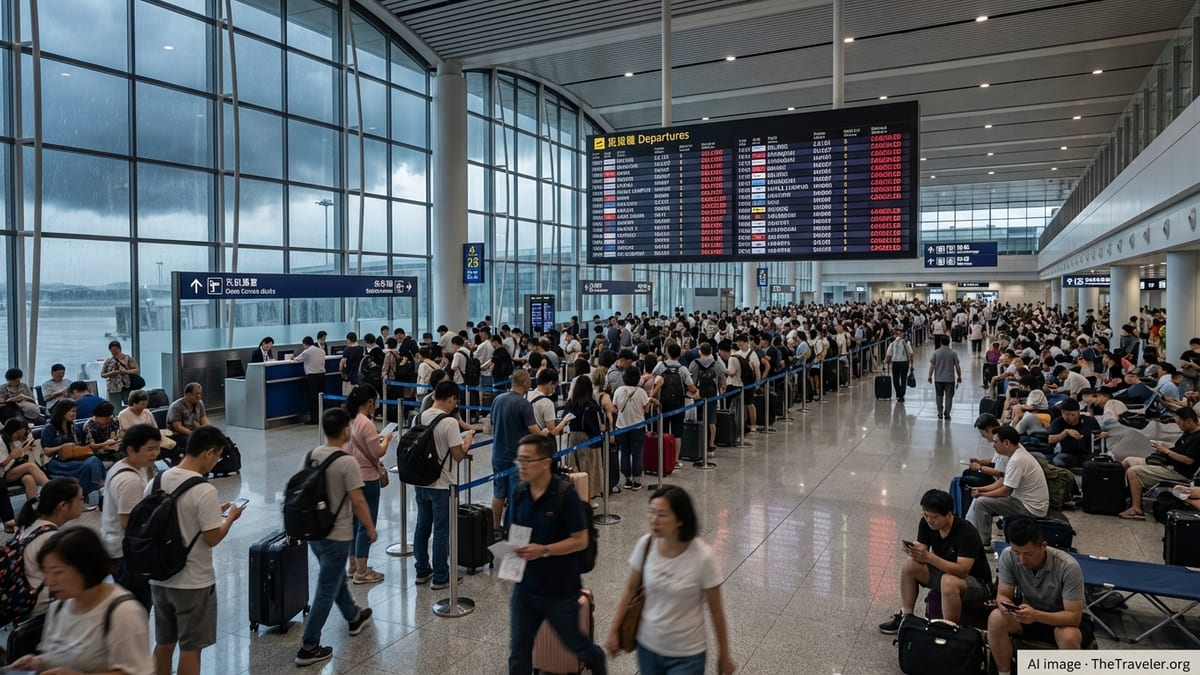
Travelers moving through Nantucket Memorial Airport over the weekend faced a wave of disruptions, with at least 12 delayed departures and eight cancellations affecting Tradewind Aviation, JetBlue and several other carriers and rippling across routes in the United States, Canada, the United Kingdom and other international destinations.
Get the latest news straight to your inbox!
Operational Strain At A Key Summer Gateway
Nantucket Memorial Airport, a primary air link between the island and major hubs on the U.S. East Coast, entered the busy June travel period already operating near capacity, according to public airport statistics and federal aviation data. Seasonal schedules from carriers such as JetBlue Airways, Tradewind Aviation, American, United, and Delta concentrate a high volume of flights into narrow operating windows, leaving limited margin when adverse conditions arise.
Recent enplanement figures published by local airport authorities show steady year over year growth in passenger numbers, underscoring the island’s dependence on a tightly choreographed mix of commercial and charter operations. That growth has added pressure on ground handling, gate availability, and air traffic management during peak travel hours.
Industry analysts note that while Nantucket is served primarily by short haul routes, the airport functions as a feeder into larger networks in New York, Boston and other East Coast hubs. When departures from the island are delayed or cancelled, missed connections can cascade into long haul services bound for Canada, the United Kingdom and further afield.
The latest round of disruptions highlighted how quickly localized challenges at a regional airport can reverberate across international itineraries, especially at the start of the summer season when load factors typically rise and rebooking options grow limited.
Weather And Congested Airspace Drive Delays
Publicly available aviation data, federal air traffic updates and airline status boards indicate that a band of unsettled weather across the Northeast contributed to extended ground holds and rerouting over the past 24 to 48 hours. Thunderstorms and low clouds in the Boston and New York terminal areas periodically restricted arrivals and departures, forcing Nantucket services to wait for available slots into congested airspace.
In several cases, flights operated by regional partners and smaller carriers departed Nantucket significantly behind schedule after earlier segments were slowed by weather related constraints. Aircraft and crew arriving late from mainland airports then triggered knock on delays for subsequent island departures, a pattern familiar to many summer travelers in the region.
Air travel consumer data published by federal regulators for the spring period shows that weather remains the single largest driver of delays nationwide, especially along the busy East Coast corridor. The recent disruptions at Nantucket fit that broader pattern, combining localized weather with bottlenecks at major hubs to create longer than usual waits.
While some flights eventually departed with extended delays, others were cancelled outright when crews approached duty time limits or when downstream airport capacity tightened. That combination produced the cluster of 12 delays and eight cancellations now being reported for Nantucket linked services.
Tradewind, JetBlue And Other Carriers Affected
Among the airlines impacted, Tradewind Aviation and JetBlue Airways feature prominently due to their relatively large seasonal presence at Nantucket Memorial Airport. Tradewind operates premium scheduled and charter services that connect the island with regional airports such as White Plains and Boston, while JetBlue links Nantucket with major hubs that offer onward connections across North America and to Europe.
Flight tracking services and airline schedule data show multiple Tradewind departures experiencing extended departure times, with at least one service to the New York area pushed well beyond its planned schedule. JetBlue’s island flights, which feed into wider networks at airports such as Boston Logan and New York, also recorded delays that threatened passengers’ ability to make same day connections.
Other carriers serving Nantucket, including large U.S. network airlines operating mainline or regional aircraft, reported a mix of delayed departures and cancellations. With aircraft and crews tightly scheduled at the start of the summer season, a single disruption window in island operations can quickly affect flights to several mainland cities.
For passengers, the practical result was a patchwork of revised departure boards: some flights left hours late, some were rerouted through alternative hubs, and others never departed, forcing travelers to seek rebooking options or alternate modes of transport.
Ripple Effects Across North America And Europe
Because Nantucket functions as an entry and exit point for visitors connecting to and from long haul services, the weekend’s disruption extended well beyond the island. Travelers heading to or returning from destinations in Canada and the United Kingdom were among those affected when missed mainland connections forced overnight stays or major itinerary changes.
Publicly accessible airline customer advisories and third party booking platforms showed limited same day alternatives on some routes, reflecting a broader tightening of capacity in the transatlantic and transborder markets. With many flights already operating near full, rebooking passengers from delayed Nantucket services often meant shifting travel by 24 hours or more.
Travel industry observers note that even a small number of cancellations at a regional origin point can cascade into multiple missed connections across a global network. For example, a single cancelled island flight may disrupt passengers bound for separate evening departures to Toronto, London, or other European gateways from a major U.S. hub.
In this latest instance, the combination of 12 delayed flights and eight cancellations at or linked to Nantucket Memorial Airport created a disproportionate impact on itineraries far from the Massachusetts coastline, highlighting the fragility of tightly timed summer connections.
What Travelers Can Do As Summer Peaks
The disruptions at Nantucket arrive as federal aviation agencies and consumer advocates continue urging passengers to prepare for a busy and occasionally unpredictable summer travel season. Guidance published by transportation regulators emphasizes checking flight status regularly, building longer connection times into itineraries, and understanding individual airline policies on compensation, refunds and rebooking.
Experts in the travel sector suggest that passengers using small but strategically important airports such as Nantucket consider early morning departures, which are statistically less vulnerable to knock on delays from weather or airspace congestion later in the day. They also point to the value of flexible tickets or itineraries that allow for changes without significant penalties.
For island bound travelers, contingency planning can include monitoring ferry schedules as a backup option when air service is disrupted, particularly during peak summer periods when weather along the coast can shift rapidly. However, alternative transport can also sell out quickly when flights are cancelled, underscoring the benefit of acting fast when disruption alerts appear.
As airlines and regulators continue to refine schedules and traffic management tools for the core summer months, the experience at Nantucket Memorial Airport serves as an early indicator of the challenges that can arise when weather, capacity and high seasonal demand converge on a small but critical node in the wider air travel network.