


More news on this day
Flight disruptions are mounting at Hartsfield-Jackson Atlanta International Airport today, as publicly available tracking data show at least 174 delayed departures and 11 cancellations affecting routes across the United States, Mexico, the United Kingdom, France, Italy and other international destinations.
Get the latest news straight to your inbox!
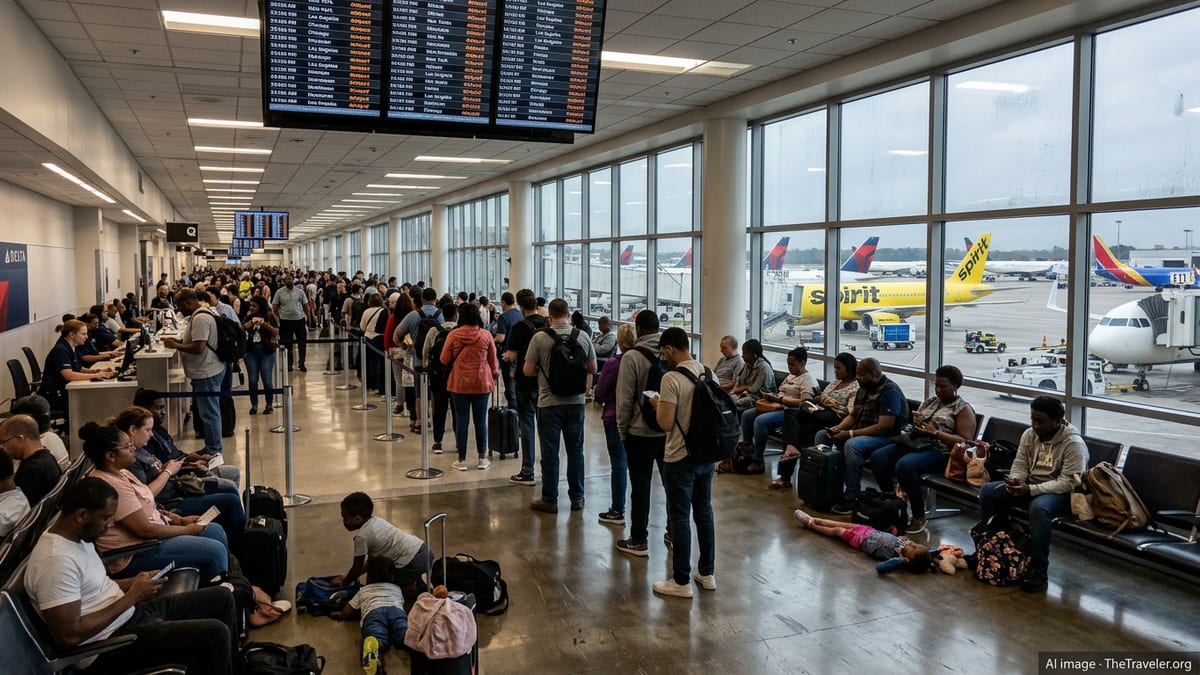
Atlanta Hub Strains Under Heavy Summer Schedules
As peak summer travel ramps up, Hartsfield-Jackson Atlanta International Airport is again emerging as a flashpoint for delays, with the world’s busiest hub handling intense flight volumes for Delta Air Lines, Frontier Airlines, regional carrier PSA and a roster of domestic and international operators. Data from flight-tracking platforms indicate that dozens of departures are leaving late, while a smaller but significant number have been cancelled outright.
Atlanta’s role as a primary connecting hub means even minor schedule disruptions can quickly ripple outward. Late inbound aircraft, crew reassignments and taxiway congestion have contributed to rolling delays that are now impacting passengers not only on U.S. domestic routes, but also on long-haul services linking Atlanta with Europe and Latin America.
Operational reports from the airport’s recent traffic summaries underscore how concentrated airline activity has become. Delta and Frontier have both grown their presence in Atlanta over the past year, while regional affiliates such as PSA operate key feeder routes. This concentration of flying magnifies the effect when any one carrier experiences a slowdown.
Delta, Frontier and PSA Among Carriers Hit Hardest
The latest disruption figures show that Delta Air Lines, Frontier Airlines and American Airlines regional affiliate PSA are among the carriers most affected by delays and cancellations connected to Atlanta and its wider network. Delta, the airport’s dominant tenant, is managing a dense schedule of mainline and regional flights that serve as connections to and from nearly every region of the United States.
Frontier, which has been expanding its low cost operation out of Atlanta, is also facing punctuality challenges. Historical performance data from the U.S. Department of Transportation show the airline with a relatively high proportion of flights affected by delays and cancellations across its system, and today’s Atlanta disruptions appear consistent with those broader trends.
PSA, which operates flights on behalf of a major U.S. legacy carrier, continues to draw scrutiny from travelers because of frequent cancellations and missed connections on regional routes. Recent discussions in public forums highlight passengers shifting away from regional flights through Atlanta when possible, citing repeated last minute schedule changes.
Although the overall total of 11 cancellations is modest compared with peak disruption events earlier in the year, the clustering of those cancellations among a handful of carriers and time windows is intensifying pressure on rebooking desks and call centers.
Transatlantic and Latin American Routes Feel the Ripple Effect
While many of the 174 recorded delays involve domestic segments, the knock on impact extends far beyond the U.S. border. Flights connecting Atlanta with Mexico, the United Kingdom, France, Italy and other European destinations are experiencing schedule pressure as late arriving aircraft and crews cascade into later departures.
Passengers on transatlantic routes are especially vulnerable to missed onward connections, given the tight overnight and early morning banks that feed major European hubs. Even a delay of 45 to 60 minutes on a feeder leg into Atlanta can be enough to strand travelers if onward services are already heavily booked for the weekend travel rush.
Routes between Atlanta and leisure destinations in Mexico and the Caribbean are facing similar strains. Strong seasonal demand, combined with aircraft operating near maximum daily utilization, leaves airlines with limited slack to recover from a string of delayed turns. When disruptions mount, carriers often prioritize long haul operations, leading to additional late departures or cancellations on shorter regional links.
Publicly available arrival and departure boards show irregular departure times across a range of international flights today, with some services rescheduled multiple times before finally pushing back from the gate.
Weather, Airspace Constraints and Crew Availability Intersect
Although no single catastrophic event has been reported, a combination of familiar factors is driving the latest wave of disruptions at Hartsfield-Jackson and across the broader network. Summer thunderstorms in the Southeast, reduced arrival rates into busy terminals, and air traffic flow programs in congested corridors are all forcing airlines to adjust their schedules in real time.
Guidance from federal aviation authorities emphasizes that weather remains the leading cause of delays and cancellations nationwide, particularly during the warm season when convective storms form quickly and can shut down arrival and departure paths with little warning. When these constraints emerge near a major hub such as Atlanta, large blocks of flights can be shifted into holding patterns or temporarily halted on the ground.
On top of weather and airspace issues, crew availability remains a sensitive pressure point. Tight labor markets, duty time limits and the ongoing need to reposition pilots and flight attendants after earlier disruptions leave carriers with less flexibility to absorb fresh delays. Instances in recent weeks of flights cancelled because of crew timing and repositioning challenges have fueled concern among frequent travelers that airlines still lack sufficient buffers in their daily operations.
Airport operational notices for Atlanta also highlight ongoing airfield maintenance and taxiway adjustments, which can add a few minutes to departure and arrival times when traffic volumes are at their peak.
What Travelers Can Expect and How to Prepare
For passengers flying through Atlanta and other affected airports today, the combination of 174 delays and 11 cancellations means a greater likelihood of missed connections, altered itineraries and extended time at the airport. Even travelers on flights still listed as on time are facing uncertainty as airlines work to re balance networks thrown off by earlier disruptions.
Consumer guidance from transportation regulators encourages travelers to monitor flight status frequently on airline apps and airport displays, enroll in text or email alerts, and be prepared with backup options, particularly when connecting to international services. With many flights operating close to full, same day rebooking may involve alternative routings through different hubs or longer layovers.
Publicly available information on airline customer service policies shows meaningful differences between carriers in how they accommodate passengers when delays or cancellations are within the airline’s control. Some major airlines offer meal vouchers, hotel accommodations or free changes during significant disruptions, while lower cost operators often provide more limited support, especially when weather is cited as the primary cause.
As the busy summer travel period continues, today’s pattern at Hartsfield-Jackson Atlanta suggests that even modest numbers of cancellations, when combined with well over one hundred delayed departures, can create a challenging environment for travelers across the United States, Mexico, Europe and beyond.