


More news on this day
Passengers traveling through Montreal–Trudeau International Airport on Saturday faced a difficult start to their journeys as publicly available data showed six flight cancellations and 51 delays affecting services operated by Jazz, Air Canada Rouge, Air Transat and Air Inuit, including key long haul and transborder routes to New York, Los Angeles, London, Amsterdam, Rome and Paris.
Get the latest news straight to your inbox!
Major Carriers Record Disruptions Across Key Networks
Published operational data and flight-tracking information for June 13 indicate that regional affiliate Jazz, leisure arm Air Canada Rouge, holiday carrier Air Transat and northern specialist Air Inuit all experienced schedule disruptions at Montreal–Trudeau. In total, six flights were canceled and 51 were delayed, creating a noticeably strained operating day at one of Canada’s busiest international hubs.
The patterns mirror broader reliability challenges for Canadian airlines this year, with consumer sites and government reports highlighting elevated levels of delays and cancellations across multiple carriers. Montreal–Trudeau, which serves as a major base for Air Canada, Air Transat and Air Inuit, has been particularly exposed because of its mix of domestic, transborder and long haul international traffic.
While the precise causes for each individual disruption vary, industry reports commonly cite a combination of crew availability, aircraft rotation issues, weather en route and congestion at partner airports. The result for travelers on Saturday was a cascading effect, with early delays in the day putting pressure on subsequent departures and arrivals.
Montreal–Trudeau’s established role as a transfer gateway heightened the impact. Many of the affected flights connected passengers from Canadian and U.S. cities onto onward services to Europe and other long haul destinations, adding complexity for those facing missed connections and rebookings.
Transatlantic Routes to London, Amsterdam, Rome and Paris Affected
Long haul operations from Montreal to Europe, including key links to London, Amsterdam, Rome and Paris, were among those hit by Saturday’s disruptions. These routes are central to the airport’s international profile and carry a mix of leisure and business travelers, especially during the peak summer season.
Publicly available route data underscore how critical these flights are to Montreal–Trudeau’s network. The Montreal–Paris corridor is described in aviation statistics as one of Canada’s busiest international routes by passenger volume, making any disruption particularly visible to both travelers and the wider industry.
On days when delays cluster, aircraft that are scheduled to turn quickly for overnight transatlantic services may arrive late from earlier segments, compressing ground times and increasing the risk of knock-on delays. Airlines often attempt to protect long haul departures where possible, but any schedule irregularity can still translate into later takeoff times or extended waits on the tarmac for passengers.
For those heading to London, Amsterdam or Rome, even moderate delays can mean missed connections at European hubs, with travelers needing to be rebooked on later flights or rerouted through alternative airports. The timing of these services, many of which are overnight, also limits same day options if a disruption stretches into the evening.
U.S. Transborder Links to New York and Los Angeles Disrupted
Transborder flights linking Montreal with major U.S. gateways such as New York and Los Angeles were also caught up in the operational difficulties. These services are important for both point to point traffic and for onward connections onto wider North American and international networks.
Recent disruption analyses focusing on LaGuardia and other U.S. airports have highlighted how tightly connected the Montreal–New York corridor is to broader system stress. When delays or cancellations occur at either end, schedules can become misaligned, leaving aircraft and crew out of position and prompting preemptive adjustments by airlines to stabilize operations.
Montreal’s role as a U.S. preclearance point adds another layer of complexity for passengers. Those connecting from domestic Canadian flights onto New York or Los Angeles services must build in extra time for security and border formalities, which become more difficult to navigate when inbound flights arrive late or departure gates change repeatedly.
On Saturday, travelers reported longer queues and more frequent gate and time changes on the transborder side of the terminal, as carriers worked within limited slack in the schedule to absorb disruptions and still move as many passengers as possible to their final destinations.
Regional and Northern Services Feel the Ripple Effect
In addition to the long haul and transborder routes, Saturday’s six cancellations and dozens of delays also touched regional and northern flights operated by Jazz and Air Inuit. These services connect Montreal with communities across Quebec and Nunavik, where air links often serve as essential transport corridors.
Public flight performance statistics on routes between Quebec City, Montreal and northern points show that smaller regional flights can be particularly vulnerable to schedule knock-on effects. When mainline or larger aircraft arrive late, gates and ground resources may be reassigned, pushing back departure times for regional services that depend on the same infrastructure.
For passengers in remote communities, a single cancellation or a multi hour delay can mean an unplanned overnight stay or a missed medical appointment or work commitment. Unlike larger markets with frequent service, some northern destinations have limited daily flights, leaving travelers with few immediate alternatives when disruptions occur.
On busier days at Montreal–Trudeau, these regional operations can also be affected by air traffic flow programs and runway constraints, particularly if weather reduces capacity or construction narrows available taxiways and stands.
Strain on Passenger Experience and Planning
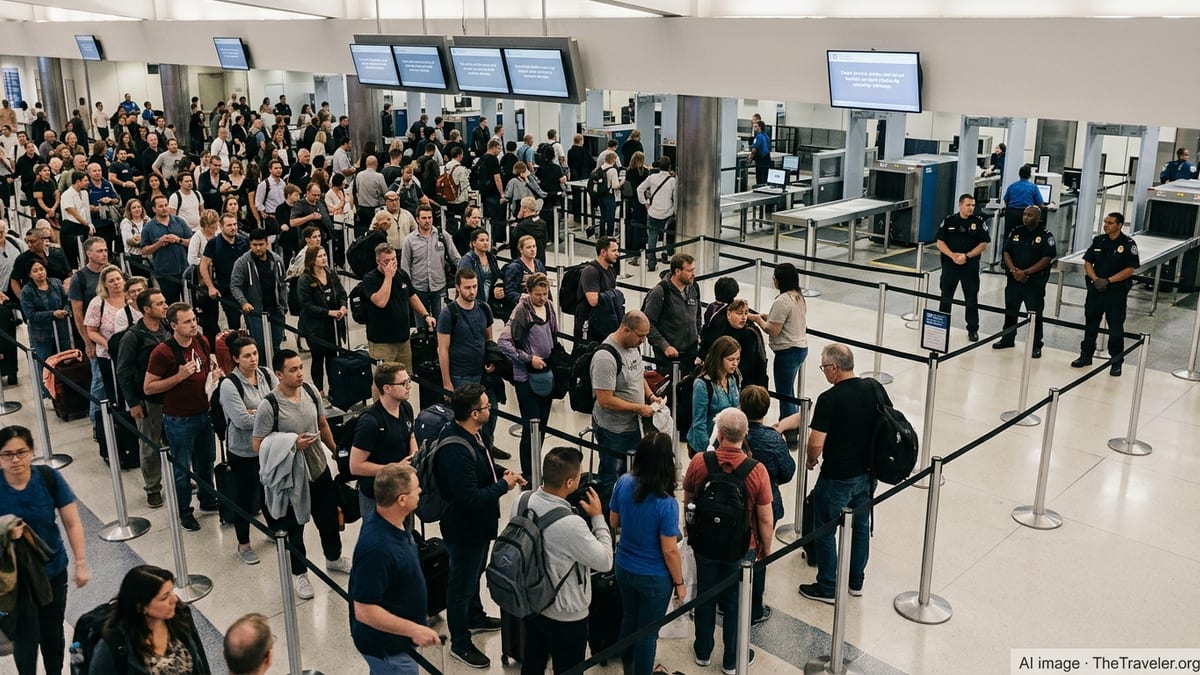
Across the terminal, the combined total of six cancellations and 51 delays translated into a challenging passenger experience. Travelers faced extended waits at check in, security and boarding gates as airlines adjusted schedules and rebooked affected customers.
Earlier this year, local and national media coverage highlighted occasions when technical glitches and weather related issues at Montreal–Trudeau led to long lines and repeated security checks, underscoring how quickly the airport’s operations can become congested when multiple systems are under pressure at the same time.
Consumer advocacy organizations and passenger rights resources have continued to emphasize the importance of knowing the rules that apply to delays and cancellations, including compensation thresholds, meal and accommodation provisions, and rebooking options. For Saturday’s affected travelers, understanding those frameworks is likely to prove central to any follow up claims.
With summer travel demand rising, the latest day of concentrated disruptions at Montreal–Trudeau illustrates the thin margin for error built into many airline schedules. For passengers connecting through the airport on routes to New York, Los Angeles, London, Amsterdam, Rome and Paris, building in additional time and monitoring flight status closely has become an increasingly important part of trip planning.