


More news on this day
Passengers at Norfolk International Airport in Virginia faced a difficult start to the weekend as more than two dozen flights were delayed and several canceled, disrupting travel on major U.S. carriers and stranding travelers on domestic routes to New York, Atlanta and other key hubs.
Get the latest news straight to your inbox!
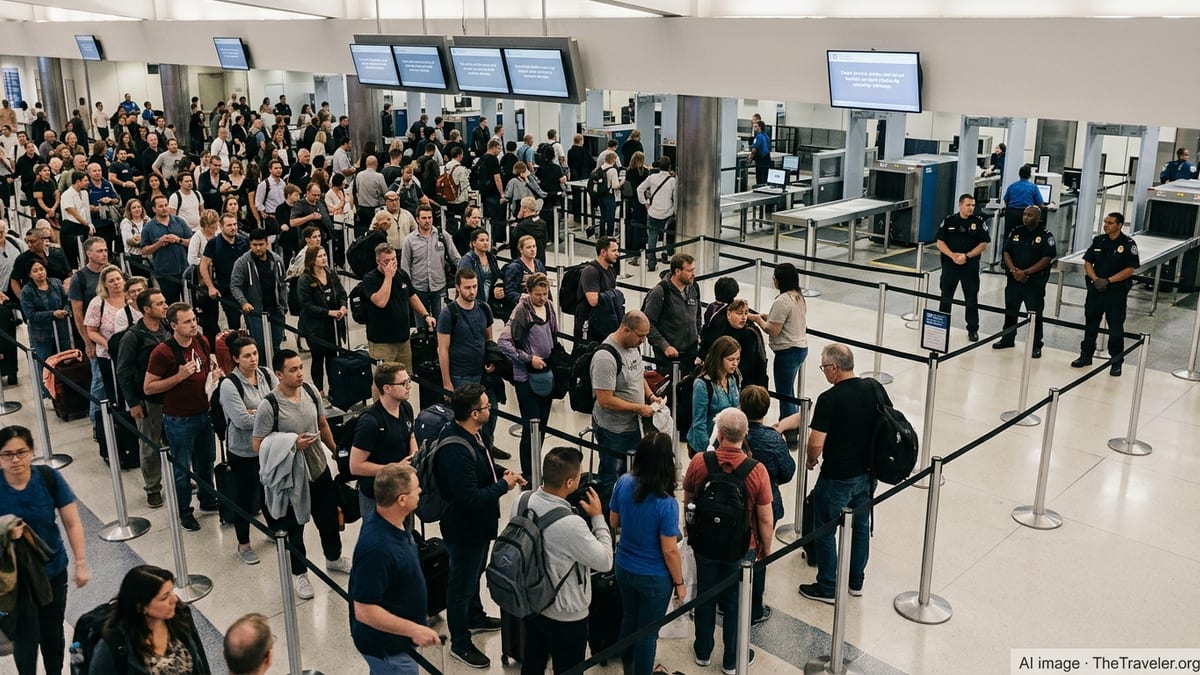
Multiple Airlines Affected Across Domestic Network
Publicly available flight-tracking boards for Norfolk International Airport on Saturday, June 13, indicate a cluster of operational disruptions affecting at least 23 departing and arriving flights, with five services canceled outright. The impact spans several major U.S. airlines, including American Airlines, Delta Air Lines, Southwest Airlines, United Airlines and Breeze Airways, all of which operate from Norfolk on short and medium haul domestic routes.
Data from schedule and status aggregators show delays affecting a mix of early morning and late afternoon departures, with some aircraft pushed back by more than an hour. In several cases, delayed departures from Norfolk have triggered knock-on disruptions for return legs, complicating efforts to rebook passengers traveling on tightly timed weekend itineraries.
Norfolk International Airport serves as a regional gateway for the Hampton Roads area, linking southeast Virginia to hubs such as New York, Atlanta, Washington and Chicago. As a result, even a relatively modest number of delayed and canceled flights can ripple across connecting itineraries, particularly for passengers heading to or returning from smaller markets that rely on a single daily service.
New York and Atlanta Routes Hit Hard
Among the most affected services are domestic routes to major East Coast connection points, notably the New York area and Atlanta. These high demand corridors are typically used by travelers making onward connections across the United States, so schedule disruptions can quickly multiply into missed links and unplanned overnight stays.
Reports from flight tracking services indicate that departures from Norfolk to New York area airports have been pushed back in several waves, some tied to late arriving inbound aircraft and others linked to congestion and weather related flow control along the Northeast corridor. Similar patterns are visible on flights serving Atlanta, a key hub for Delta Air Lines, where extended ground holds upstream can cascade into delays for regional connectors.
Because New York and Atlanta function as critical nodes in the national network, disruptions on these routes often have an outsized impact on travelers compared with point to point flights. Passengers who had expected straightforward same day connections are instead facing rebookings that stretch their travel into late night or next day arrivals, particularly where limited seat availability constrains options.
Weather, Congestion and Airline Operations All Play a Role
While Norfolk itself reported relatively benign local conditions on Saturday morning, national airspace data and regional weather patterns point to a more complex picture. Federal aviation guidance notes that summer thunderstorm activity along the East Coast frequently triggers traffic management initiatives such as ground delay programs and reduced arrival rates at busy hubs, even when skies appear calm at origin airports.
According to publicly available information from delay tracking dashboards, parts of the East Coast network have experienced intermittent weather related constraints in recent days, prompting airlines to slow operations, reroute flights and occasionally cancel services preemptively. In addition to weather, high seasonal demand and tight aircraft utilization can limit carriers’ flexibility to recover when disruptions occur, leading to rolling delays across multiple departures.
Industry wide data compiled by the U.S. Department of Transportation show that late arriving aircraft, carrier specific operational issues and air traffic control programs are among the most common causes of delays, alongside adverse weather. In practice, this means that even a short period of storms or congestion at a major hub can continue to affect outstations such as Norfolk for hours afterward, long after the immediate weather has passed.
Passengers Face Long Waits, Missed Connections and Limited Options
For travelers on the ground in Norfolk, Saturday’s disruption has translated into long lines at customer service counters and hours spent monitoring departure boards. With multiple carriers affected at the same time, options to switch to alternative flights have been limited, particularly on popular domestic routes to New York, Atlanta and other hubs that are already heavily booked for the June travel period.
Passengers with tight connections are among the hardest hit. When an initial leg from Norfolk departs late, missed onward flights can require complete reworking of itineraries, sometimes involving new routings through secondary hubs or overnight stays in intermediate cities. Travelers on shorter weekend trips, including those heading to family events or returning from business travel, face the added pressure of potentially losing significant portions of their plans.
Consumer advocates routinely advise passengers in such situations to monitor airline apps and departure boards closely, as same day schedule changes and rebookings can occur with little notice. They also note that reimbursement policies vary widely by carrier and by the underlying cause of a disruption, with different rules applying when delays are attributed to weather compared with carrier controlled factors such as crew availability or maintenance.
Norfolk’s Growing Role Highlights Vulnerability to Network Shocks
Norfolk International Airport has seen steady growth in recent years, with carriers such as American, Delta, Southwest, United and Breeze Airways expanding service to a range of domestic destinations. Airport activity reports show rising passenger volumes and an increasing mix of leisure and business travel, reflecting the broader rebound in U.S. air travel following the pandemic.
That growth underscores the vulnerability of regional airports to wider network shocks. With many routes from Norfolk operating only a limited number of daily frequencies, a single cancellation or extended delay can leave travelers with few immediate alternatives. When multiple airlines are affected on the same day, as seen on Saturday, the combined impact can quickly resemble a system wide disruption on a smaller scale.
Travel analysts point out that such episodes may become more common during peak summer months, when tight schedules, full flights and volatile weather converge. For passengers planning trips through Norfolk and similar regional airports, the latest wave of delays and cancellations serves as a reminder to build extra time into itineraries, consider earlier departures on days with critical commitments and stay informed about changing conditions across the broader air travel network.