


More news on this day
Detroit Metropolitan Wayne County Airport is experiencing a fresh wave of travel disruption on June 10, with publicly available tracking data showing more than a dozen cancellations and a growing list of delayed flights operated by SkyWest Airlines, Delta Air Lines, PSA Airlines, Envoy Air, Republic Airways and other carriers, affecting passengers across the United States and on transatlantic routes.
Get the latest news straight to your inbox!
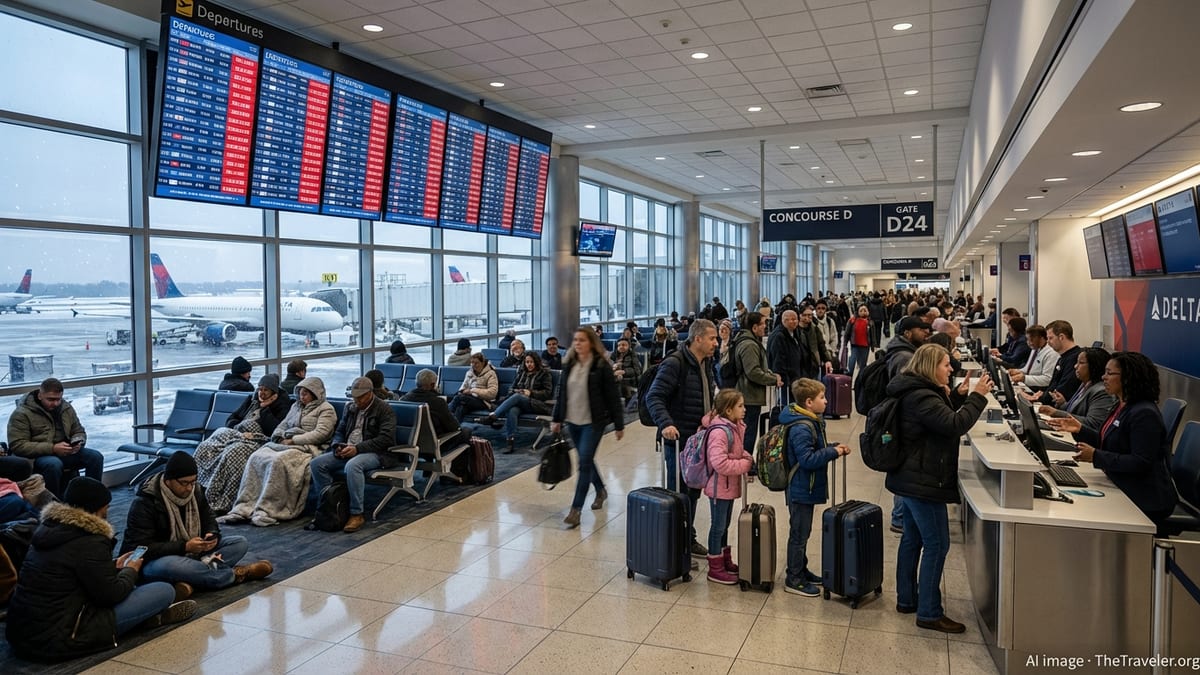
Storm Aftermath Keeps Detroit Hub Under Strain
The latest operational strain at Detroit comes less than a day after a ground stop linked to severe weather temporarily halted departures, creating knock-on effects for aircraft and crew positioning into Wednesday. Publicly available advisories and local coverage indicate that Tuesday evening’s storms in southeastern Michigan forced airlines to hold or divert flights, leaving many early Wednesday departures with limited buffers.
By late morning on June 10, departure boards at Detroit Metro showed a patchwork of cancellations and late departures concentrated among regional operators that fly under major airline brands. While the absolute number of cancellations remained in the dozens rather than the hundreds, the pattern created outsized disruption for travelers using Detroit as a connecting hub to other parts of the Midwest, East Coast and Europe.
Travel data reviewed by TheTraveler.org suggests that the mix of causes behind Detroit’s latest wave of disruptions includes residual weather constraints, air traffic flow controls and operational challenges at regional partners. The result is a day in which many flights are technically operating but at significantly delayed times, complicating onward connections and itineraries.
Regional Partners Bear Brunt on Midwest and East Coast Routes
Among the hardest hit in Detroit are regional carriers that operate flights marketed by larger airlines. SkyWest Airlines, which operates on behalf of Delta and several other major brands, has seen multiple adjustments on routes linking Detroit to Chicago and smaller Midwest cities. Flights between Detroit and Chicago O’Hare, including services scheduled under SkyWest’s operating certificate, have faced a mix of delays and at least one cancellation, affecting travelers attempting to connect onward to the Plains states and the West Coast.
PSA Airlines and Envoy Air, both regional affiliates for American Airlines, have also reported cancellations and rolling delays on Detroit services, particularly on routes touching East Coast hubs such as Philadelphia. When schedules are compressed by weather or traffic flow programs, these shorter regional legs are often among the first to be trimmed, leaving some passengers with limited same-day rebooking options.
Republic Airways, another large regional operator that feeds several major carriers, has experienced interruptions on select Detroit-linked services as well. The concentration of issues among regional flights means that some passengers see their travel plans disrupted even when mainline jets appear to be operating closer to schedule, creating confusion about which airline is actually responsible for a given segment.
Key Domestic Gateways See Disruptions Ripple Outward
Core domestic corridors from Detroit to major business and leisure markets have also felt the impact. Morning and midday departures to the New York area, including services to LaGuardia and Newark marketed by Delta but in some cases operated by regional partners, have been subject to extended departure times and, in isolated cases, cancellations.
Connections to Chicago and Appleton in Wisconsin have seen similar strain. Flights linking Detroit to Appleton, an important spoke for Midwest business travelers, have encountered a combination of delays and equipment changes, according to publicly available tracking feeds. In practical terms, that has meant tighter connection windows for those continuing on to the Mountain West or Pacific Northwest and missed flights for travelers whose itineraries were originally built around short layovers.
Routes into the Northeast corridor, especially New York and Philadelphia, are particularly vulnerable whenever storms or traffic initiatives affect multiple hubs simultaneously. Published aviation data and historical performance records show that regional operators such as PSA and Envoy are more likely than mainline carriers to post higher cancellation rates when weather or congestion closes in on airports like Philadelphia, Washington and New York, a pattern that appears to be repeating in the current disruption.
Transatlantic Connections From Detroit Also Affected
Detroit’s role as a transatlantic gateway for Delta means that today’s domestic disruptions have international consequences. While key long-haul flights to European hubs such as Frankfurt are still scheduled to operate, some are departing later than planned or facing equipment and crew reshuffles as airlines attempt to restore balance to their networks.
Passengers traveling from smaller U.S. cities into Detroit and then onward to Europe are particularly exposed. When a short regional leg into Detroit is canceled or suffers significant delay, same-day connections to overnight flights across the Atlantic can be difficult to maintain. Travelers booked through to Frankfurt, Amsterdam and other European destinations are reporting rebookings via alternative hubs or overnight stays at intermediate airports as airlines work through the backlog.
Publicly available timetable data and historical performance reports indicate that Detroit’s transatlantic schedule relies heavily on feed from regional partners into the hub. When those regional segments are disrupted, it can force last-minute changes on long-haul flights, including seat availability, upgrade processing and even the need to hold a transatlantic departure to accommodate late-arriving passengers and connecting bags.
Travelers Confront Crowded Gates and Limited Options
For passengers inside the terminal, the operational challenges translate into crowded gate areas and longer lines at customer service counters. Many travelers with early-morning cancellations have already been shifted to afternoon or evening departures, placing additional pressure on flights that were originally scheduled to operate close to full capacity at the start of the summer travel season.
Consumer advocates note that the pattern at Detroit, where delays outnumber cancellations by a significant margin, can be especially frustrating. Airlines may keep flights on the board in delayed status rather than cancel outright, which can make it harder for passengers to access certain forms of compensation or to argue for hotel accommodations when overnight disruptions occur.
Travel experts recommend that affected passengers monitor their flight status directly through airline channels, check whether their itinerary includes a regional operating carrier, and proactively explore alternative routing options through other hubs when signs of rolling delays emerge. With Detroit Metro still working through the aftermath of severe weather and a tightly wound summer schedule, publicly available data suggests that it may take into the evening before operations fully stabilize.