


More news on this day
Flights in and out of Wellington Airport were disrupted after a fire broke out in the terminal on the evening of June 12, with publicly available information indicating the blaze began in a hard-to-access area that complicated the emergency response.
Get the latest news straight to your inbox!
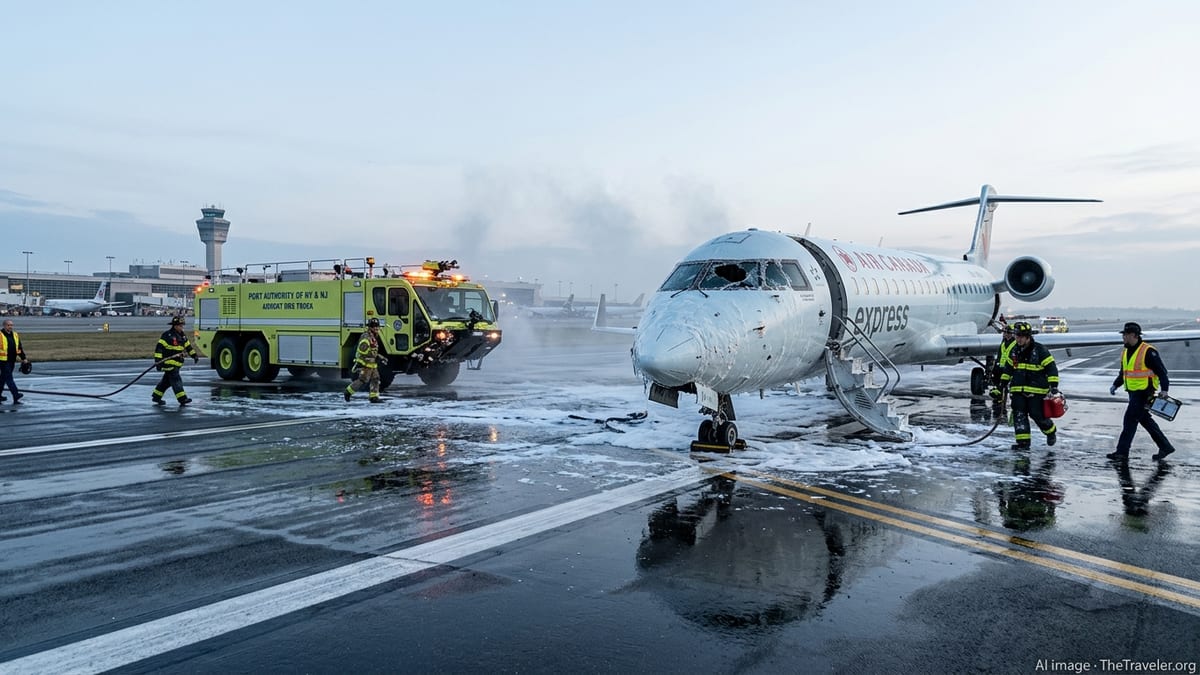
Fire breaks out in domestic terminal, prompting evacuation
Reports from New Zealand media and aviation outlets indicate the fire started in or near the domestic departures area of Wellington Airport at around 7.15 p.m. local time on Friday, June 12. Images and video shared by passengers and bystanders showed thick smoke billowing from the terminal as emergency services converged on the site.
According to published coverage, Fire and Emergency New Zealand crews worked alongside the airport’s own firefighters to bring the blaze under control. The main terminal was evacuated as a precaution, with hundreds of passengers and staff moved out to the apron and surrounding areas while alarms sounded inside the building.
Wellington Airport’s chief executive, quoted in local reports, said the fire began in a “difficult location” within the terminal, which made access and suppression more challenging for crews. This factor is understood to have contributed to the scale of the disruption, even as the blaze was contained without reports of serious injury.
Social media posts from travelers described a rapid but orderly evacuation, with many people left waiting outside the terminal as fire appliances continued to arrive from across the Wellington region. The airport’s emergency procedures appeared to remain in place for several hours while the extent of the damage was assessed.
Extensive flight disruption across domestic network
The fire triggered immediate suspensions and diversions of both arriving and departing services. Publicly available flight-tracking data and local news coverage show that several aircraft were diverted to alternative airports, while a number of evening departures were delayed or cancelled.
Domestic flights were most affected, with services to and from Auckland, Christchurch and regional centers placed on hold during the height of the incident. Airlines warned travelers to expect continued knock-on delays into Saturday as aircraft and crew were repositioned and backlogs cleared.
Some long-haul and connecting passengers reported missed onward flights after being stranded at other New Zealand airports when their Wellington-bound legs were diverted. Travel forums and social posts from the evening highlight confusion among passengers seeking rebooking options as airlines dealt with the sudden loss of terminal access.
By early June 13, publicly available information from the airport and airlines indicated that operations were gradually resuming, although residual delays and schedule changes were still likely. Travelers were advised through airline channels to continue monitoring individual flight statuses.
‘Difficult location’ complicated fire response
In comments reported by local outlets, Wellington Airport’s chief executive described the fire as originating in a “difficult location” within the terminal infrastructure. While detailed technical information has not been widely disclosed, the wording suggests the blaze may have involved systems or spaces that are harder for firefighters to access quickly, such as concealed cavities or service areas.
Aviation safety specialists note that fires in such confined or hard-to-reach zones can complicate both detection and suppression, even in modern terminals equipped with alarms and sprinklers. These scenarios typically require crews to spend more time locating the seat of the fire and checking adjacent areas for spread, extending the duration of evacuations.
Reports from the scene indicate the fire was upgraded to a higher alarm level as additional appliances were called in, reflecting the complexity of the incident rather than the size of the visible flames. The priority for emergency services appeared to be ensuring that the fire was completely extinguished and that smoke-affected parts of the building were safe before allowing passengers back inside.
As of June 13, there had been no broad public indication of structural damage to critical airside infrastructure, but parts of the terminal were expected to remain under inspection and cleaning while operations ramped back up.
Passengers face long waits and rebooking challenges
The sudden shutdown of the main terminal left many travelers camped out in car parks, nearby roads and alternative lounges, awaiting updates. Passengers posting online described limited access to food and seating during the first hours after the evacuation, particularly for those already through security when alarms sounded.
People attempting to connect from Wellington to international services via Auckland and other hubs reported difficulty securing rebookings due to evening capacity constraints. With a number of flights either cancelled outright or significantly delayed, some travelers were forced to overnight in other cities while waiting for availability on subsequent services.
Travel commentary following the incident highlighted the vulnerability of tightly timed itineraries through Wellington, a busy but geographically constrained airport serving New Zealand’s capital. When operations are halted unexpectedly, options to reroute passengers can be limited, especially in the evening when schedules begin to wind down.
Observers noted that communication appeared to improve as the night went on, with airlines pushing updates through apps and text messages once the scale of the disruption became clearer. However, many passengers indicated they would be reviewing future buffer times between domestic and international connections in light of the incident.
Focus turns to cause and resilience of key regional hub
Wellington Airport is one of New Zealand’s busiest gateways and a critical node for domestic connectivity between the North and South islands. The fire comes at a time when the airport has been investing in safety and capacity upgrades, including new infrastructure to meet growing demand in recent years.
Published reports state that a formal investigation into the cause of the blaze is expected, in line with standard procedures following a significant terminal incident. Such reviews typically examine ignition sources, the performance of detection and suppression systems, and the effectiveness of evacuation and communication protocols.
Aviation analysts observing the event suggest that the reference to a “difficult location” could prompt a closer look at how wiring, ducting, storage areas and other back-of-house spaces are monitored and maintained, both at Wellington and at other airports with similar terminal layouts. Any recommendations that emerge are likely to feed into future refurbishment and safety planning.
For now, the priority for passengers and airlines remains the restoration of reliable schedules. As services resume over the weekend, attention is expected to shift from immediate disruption to longer-term questions about resilience at one of New Zealand’s most weather- and space-constrained airports.