


More news on this day
Flight operations at Auckland Airport are returning to normal after dense morning fog triggered visibility restrictions that disrupted scores of domestic and international services and left passengers facing delays and diversions.
Get the latest news straight to your inbox!
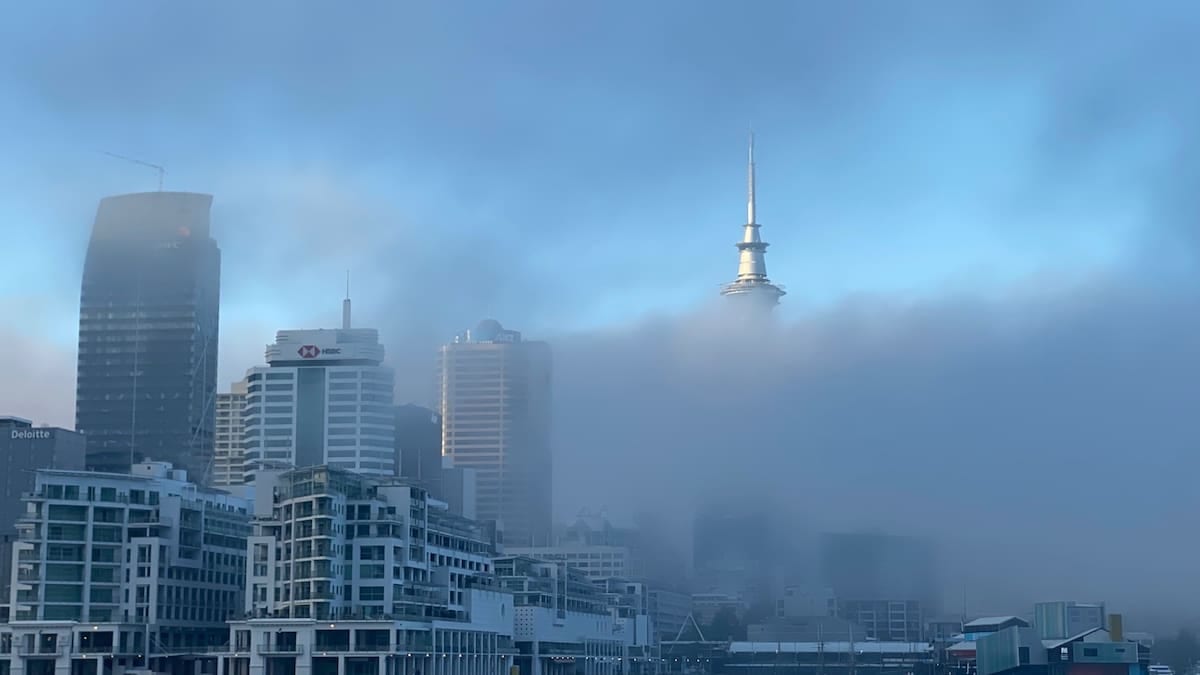
Low visibility lifts after hours of disruption
Reports from Auckland on Saturday morning local time described heavy fog around the city and airport, with visibility temporarily dropping to levels too low for many aircraft movements. Publicly available information on flight-tracking platforms showed early-morning departures and arrivals being delayed or held on the ground while conditions remained below required minimums.
As the fog slowly lifted, restrictions on movements at Auckland Airport began to ease, allowing a staged resumption of flights. Larger aircraft equipped and crewed for lower-visibility operations appeared to move first, followed by a gradual restart for other services as visibility improved across the airfield and approach paths.
The lifting of fog-related constraints comes at a busy time for the gateway, which routinely handles tens of thousands of passengers a day across domestic and international networks. The rolling impact of the disruption is expected to linger into the day as airlines work to reposition aircraft and crews and clear accumulated delays.
Travel industry observers note that fog-related slowdowns at Auckland are not uncommon during cooler months, when stable air and overnight cooling can combine to produce patches of dense low cloud over the Manukau Harbour and surrounding lowlands.
Airlines re-time services as schedules recover
With restrictions lifted, airlines using Auckland Airport have begun re-timing affected flights, turning back to standard operations where possible while building in recovery time for routes most disrupted by the fog. Flight-tracking data on key domestic corridors such as Auckland to Wellington and Christchurch indicates that some early services were delayed or temporarily grounded before gradually resuming departures.
On long-haul and regional international routes, aircraft that remained on the ground during the worst of the fog are now pushing back with revised departure times. Services to major hubs in Australia, North America and the Pacific are among those adjusting schedules as carriers seek to maintain connections for onward passengers.
Passengers booked to travel through Auckland are being advised, through airline channels and airport updates, to monitor their flight status closely throughout the day. Even as the airport returns to full operational visibility, aircraft and crew being out of position can lead to knock-on changes, including later departure times, swapped aircraft types or, in some cases, same-day cancellations consolidated into fewer services.
Observers expect several waves of disruption: initial delays caused by the fog itself, followed by a secondary phase as airlines realign their networks and rotate aircraft back into normal patterns. For some travelers, this may mean extended waits in terminal areas or revised arrival times at their final destination.
Safety systems and weather thresholds shape operations
The morning disruption underscores the influence of visibility thresholds and navigation systems on airport operations. Auckland Airport operates with instrument approach procedures and lighting systems that allow aircraft to land in reduced visibility, but only when aircraft, crews and runway systems all meet specific technical and training standards.
In practice, this means that certain aircraft types or specific flights can continue operating in conditions that force others to hold, divert or be delayed. Industry commentary around similar fog events in New Zealand has highlighted how smaller regional aircraft, which often lack the highest-category landing aids or may operate to more conservative limits, are usually the first to be affected when dense fog settles over an airfield.
Weather forecasting and real-time monitoring play a crucial role in decision-making. Airlines factor updated visibility readings, cloud base and trend forecasts into their plans, weighing whether to board and push back aircraft, hold them at gates or pre-emptively cancel flights. When conditions improve quickly, as appears to have occurred in Auckland this morning, operations can ramp back up briskly once measured visibility returns above the minimums set for each type of operation.
Aviation analysts note that, while frustrating for travelers, strict adherence to these thresholds is a key part of the industry’s layered safety model. The resumption of flights after the fog lifts typically follows a methodical sequence, prioritizing safe spacing between arrivals and departures before airlines focus on clearing backlogs.
Knock-on effects for domestic connections and regional airports
The morning fog at Auckland has also had implications beyond the city, given its role as New Zealand’s primary hub. Domestic connections relying on timely arrivals into Auckland for onward international departures have been among the services most exposed to disruption.
Regional airports that depend on aircraft and crews rotating through Auckland are likely to see altered schedules for the rest of the day. Delayed morning departures can cascade into later turnarounds in provincial centers, potentially compressing operating windows for same-day return flights or requiring timetable adjustments on short-haul sectors.
Travelers connecting from New Zealand’s smaller cities into Auckland for overseas journeys may encounter rebookings or re-routings as airlines protect long-haul departures and manage limited spare capacity. Publicly accessible airline advisories commonly encourage passengers on such itineraries to build in longer connection times during seasons when fog or other weather disruptions are more frequent.
Airport and airline planners will be reviewing how quickly services normalized after this event, assessing whether any additional operational tweaks, such as minor schedule changes in early-morning banks of flights, might improve resilience on days when fog is forecast.
Travel advice as Auckland returns to regular operations
With fog restrictions lifted and the airport moving back toward full capacity, passengers are being urged through general travel guidance to continue checking for real-time updates. Airline apps, text notifications and electronic departure boards remain the primary tools for tracking last-minute gate changes, revised departure times or equipment swaps.
Industry guidance for days like this typically emphasizes arriving at the airport earlier than usual, particularly for international flights, to accommodate longer queues at check-in and security that may develop when multiple delayed services overlap. Travelers with tightly timed connections are often encouraged to discuss options with their carriers, including alternative routings or same-day rebooking where capacity allows.
Accommodation and insurance considerations can also come into play. For visitors with onward travel or tour arrangements, published consumer advice notes that travel insurance policies vary in their treatment of weather-related delays, and passengers may wish to retain documentation of disruption in case claims are required.
As weather conditions stabilize over Auckland and normal visibility returns, the airport’s role as New Zealand’s main international gateway is once again in focus. The rapid easing of restrictions and staged resumption of flying highlight both the vulnerability of modern air travel to sudden shifts in local weather and the capacity of the aviation system to recover when conditions improve.