


More news on this day
Heritage rail operator Wensleydale Railway is preparing to run additional services to Leyburn in support of the Lloyds Bank Tour of Britain Men, tying the race’s North Yorkshire finale to one of England’s classic rural rail routes and offering spectators a lower-carbon way to reach the Dales.
Get the latest news straight to your inbox!
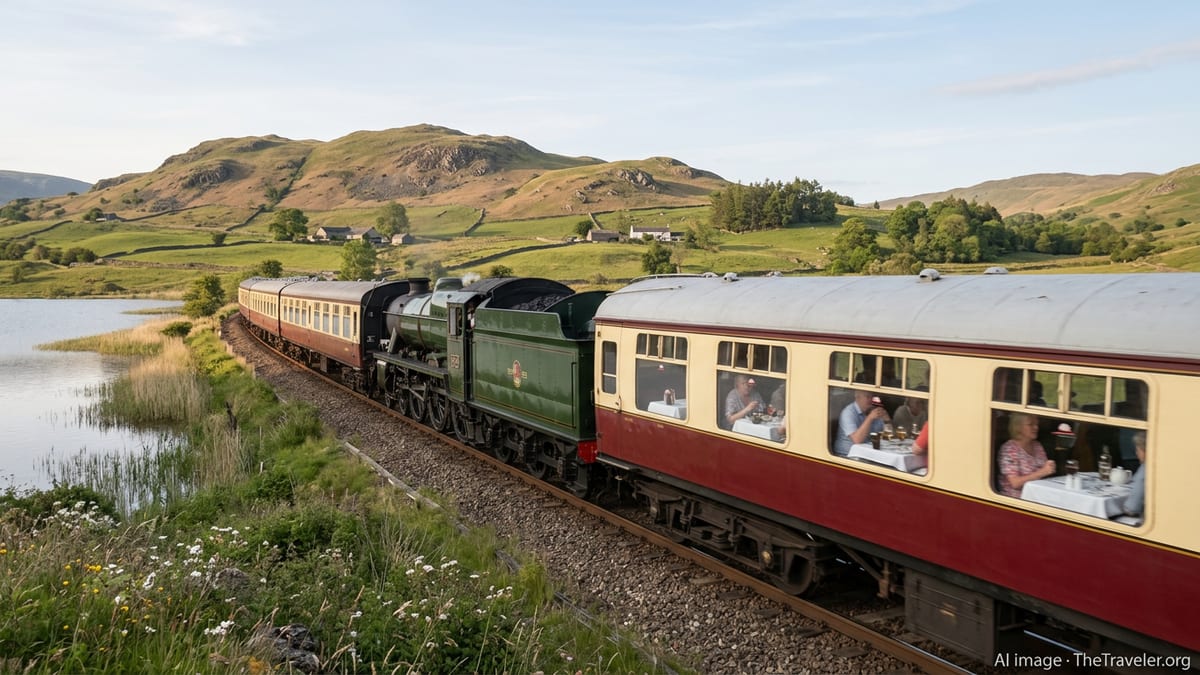
Race day trains to the Tour of Britain finish
Public information from local authorities in North Yorkshire indicates that Wensleydale Railway will operate extra trains between Leeming Bar, Bedale and Leyburn to coincide with the Tour of Britain stage finish in the market town. The added services are designed to move cycling fans into the Dales without relying solely on car travel, easing pressure on narrow rural roads as race crowds build.
A recent notice from Boroughbridge Town Council, which is promoting the race to residents, highlights heritage services on the line as one of the key travel options for reaching Leyburn in time for the finish. That guidance sits alongside advice on road closures and parking restrictions across the wider race route, underscoring how public transport is being brought into the operational planning for the event.
The finish at Leyburn forms part of a broader push by organisers to showcase North Yorkshire’s scenery to a global cycling audience, with the closing kilometres expected to draw television coverage from across Europe. The presence of a working heritage railway at the finish gives broadcasters additional visual interest as trains arrive and depart through the afternoon.
While final race-day timetables are being promoted through the railway’s own channels, the clear message from local partners is that visitors are being encouraged to leave cars behind where possible and combine rail travel with walking or cycling to roadside viewing points.
Heritage line threading through the Yorkshire Dales
Wensleydale Railway is a volunteer-led heritage route running from Scruton, near Northallerton, to Leyburn on the edge of the Yorkshire Dales National Park. According to visitor information produced in partnership with the Yorkshire Dales National Park Authority, the line offers views over the Vale of Mowbray and into classic Dales scenery, with heritage diesel and occasional steam workings forming the core of the service.
The railway operates over a section of the former Leeds and Northallerton line, serving communities including Leeming Bar and Bedale before reaching Leyburn station, a short walk from the town centre. Historical notes on the line record that the original route once continued westwards to Hawes, climbing into upper Wensleydale, and that the modern heritage operation has been gradually extended as track and infrastructure have been renewed.
Recent timetable and visitor documents show that services currently focus on the eastern section up to Leyburn, with work under way in stages to upgrade track further towards Redmire. On ordinary operating days, trains connect with mainline services at Northallerton via local bus links, making it possible for visitors from across the UK to reach the railway without driving into the Dales.
On Tour of Britain day, the same countryside that usually draws walkers and rail enthusiasts is expected to be lined with spectators as the peloton races towards the finish. For many visitors, the combination of a heritage train journey and roadside race viewing will turn the event into a full-day excursion.
Cycling spotlight returns to North Yorkshire
The Lloyds Bank Tour of Britain Men continues a strong recent tradition of elite cycling events in North Yorkshire. The region previously hosted stages of the Tour de France Grand Départ in 2014 and has welcomed both the Tour de Yorkshire and the UCI Road World Championships, cementing its status as one of Britain’s most recognisable cycling landscapes.
Race previews and route information published by British Cycling and specialist media describe the current edition of the Tour of Britain as placing renewed emphasis on northern terrain, with the North York Moors and Yorkshire Dales providing some of the toughest climbing of the week. Recent coverage of future women’s races also highlights nearby Dalby Forest and coastal locations such as Redcar, pointing to a long-term strategy of keeping major events in the region.
For host communities, the Leyburn finish offers an opportunity to link national television exposure to local businesses, accommodation and attractions. Tourism bodies in the area already promote cycling itineraries that make use of quiet lanes and traffic-free paths, and the arrival of the Tour of Britain is expected to encourage more visitors to bring bikes on future trips.
The integration of Wensleydale Railway into race day plans reinforces that message by demonstrating how spectators can arrive using a mix of rail and active travel rather than private cars. In a rural county where transport emissions form a significant share of the local carbon footprint, such high-profile examples are seen as increasingly important.
Active travel and heritage tourism working together
Bringing together a modern professional cycle race with a preserved rural railway underlines how heritage tourism and active travel can complement each other. The same timetable leaflets that normally promote countryside walks from intermediate stations are, for this event, being read alongside race route maps and roadside spectating advice.
Tourism information from the Yorkshire Dales National Park and local councils regularly highlights the option of combining rail journeys with walking or cycling, whether for short family outings or multi-day trips. By tying those existing messages to the Tour of Britain, destination managers are aiming to reach a wider audience of sports fans who might not previously have considered using a heritage railway as part of a day out.
Wensleydale Railway’s role in the event also showcases the value of community-run transport in drawing visitors into smaller towns and villages away from main roads. With Leyburn acting as a gateway to the upper Dales and to attractions such as local cheese makers, waterfalls and market-town high streets, easier non-car access can help spread the economic benefits of major events across a wider area.
As preparations continue, publicly available material from regional authorities frames the Tour of Britain finish and the associated rail services as part of a broader effort to balance visitor numbers, rural road capacity and environmental goals. If the approach proves successful, it may offer a template for how other heritage lines across Britain could support large-scale sporting events in years to come.
Practical information for spectators
Public guidance indicates that spectators planning to travel by heritage rail are being advised to check Wensleydale Railway’s own website and social media channels for up-to-date train times, ticketing details and any last-minute alterations. Organisers are also directing visitors to local authority pages for information on rolling road closures, parking controls and suggested viewing locations along the stage.
Typical operating information for the line suggests that stations such as Leeming Bar and Bedale offer parking and basic facilities, with Leyburn providing onward access on foot to both the town centre and race infrastructure. Visitors are encouraged in published materials to allow additional time for transfers between mainline services, local buses and heritage trains, particularly at peak arrival and departure periods around the finish.
For those combining rail with cycling, tourism bodies point to existing bike-friendly routes linking Leyburn to surrounding villages and viewpoints. While the race route itself will be heavily controlled on the day, quieter roads and bridleways nearby provide options for short recreational rides before or after the peloton has passed.
With international teams and media focusing attention on North Yorkshire, the partnership between the Tour of Britain and Wensleydale Railway is set to demonstrate how traditional transport infrastructure can still play a contemporary role in managing visitor flows and shaping sustainable travel choices around major events.