


More news on this day
Rail passengers across the West Midlands are being advised to expect reduced timetables, slower journeys and short-notice disruption this week, as extreme heat alerts trigger precautionary measures on key routes through the region.
Get the latest news straight to your inbox!
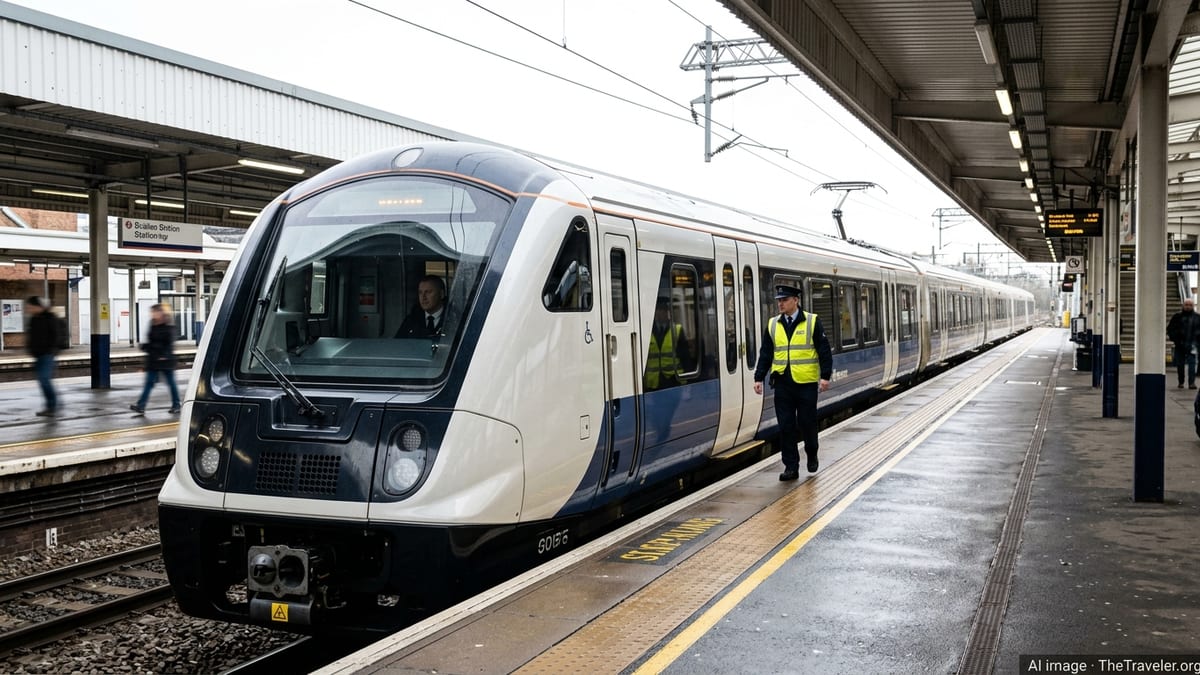
Heat alerts raise risk of travel disruption
The UK Met Office has issued amber and red extreme heat warnings across parts of England, with central regions including the Midlands forecast to experience some of the highest temperatures. Forecasts indicate that daytime highs could push towards the upper 30s Celsius, significantly increasing stress on transport infrastructure.
Publicly available information from the UK Health Security Agency and local authorities shows that the West Midlands has been placed under elevated heat-health alerts, reflecting concern about impacts that go beyond health and social care. Guidance highlights potential disruption to rail operations, electricity supply and other essential services when prolonged high temperatures persist.
Rail industry briefings note that steel tracks can expand and flex during prolonged heat, raising the risk of so-called “sun kinks” that can affect the safe running of trains. To manage this risk, operators and infrastructure managers routinely prepare to slow trains down or pare back service levels when temperatures move well above seasonal norms.
Recent assessments of past heatwaves in the region suggest that the combination of slower train speeds, preventative line closures and signal failures can add up to significant disruption for passengers, particularly on busy commuter corridors serving Birmingham and surrounding towns.
Why services are being cut and speeds reduced
According to publicly available technical guidance from Network Rail and transport industry reports, rail infrastructure in Britain is generally designed to operate safely within a specific temperature range. When railhead temperatures far exceed those limits, the risk of track buckling rises, particularly on older sections of line or where maintenance windows are tight.
To reduce that risk, infrastructure managers can impose emergency speed restrictions so that trains exert less force on the rail, or temporarily reduce the number of services to ease pressure on the network. These measures are intended to prevent more serious incidents that would cause longer and more disruptive closures.
Industry analyses produced after the July 2022 heatwave, and referenced in regional planning documents for the West Midlands, underline the costs of failing to act early. In previous events, sections of track in the wider Midlands and central England corridor were taken out of use for emergency repairs after rails distorted in the heat, contributing to days of disruption and substantial economic losses.
Reports indicate that lessons from those episodes are now shaping a more cautious approach during intense heat. That means passengers can expect timetables to be slimmed down in advance, with local stopping services, evening commuter trains or non-essential peak extras more likely to be withdrawn first.
What West Midlands passengers can expect this week
Public travel advisories issued for the current heatwave indicate that operators running through the West Midlands are preparing amended timetables and warning of slower journeys on key intercity and regional routes. While exact patterns vary between companies, a common theme is fewer trains on the busiest corridors and longer gaps between services at smaller stations.
Passengers are being urged, through online journey planners and service update pages, to check their journeys on the day of travel, as schedules may change at short notice. Some operators have flagged that late-afternoon and early-evening services are particularly vulnerable, when track temperatures tend to peak and demand for air-conditioned rolling stock is highest.
Information published by regional authorities during previous heat alerts in the West Midlands suggests that ticket easements may be offered in some circumstances, allowing passengers to travel earlier or later than booked to avoid the hottest part of the day. However, for the current event, travellers are being advised to check the latest conditions and any restrictions directly with their train company before setting out.
There is also the prospect of knock-on effects to connecting buses and trams. Past disruption analyses show that when rail services are reduced or slowed, pressure can build quickly on urban transport networks in and around Birmingham, Wolverhampton and Coventry, especially at the height of the evening peak.
Staying safe and prepared on the rails
Health and transport guidance released around the current heatwave stresses that extreme temperatures can pose risks to passengers as well as infrastructure. Trains without effective air conditioning, crowded platforms and longer waits can increase the likelihood of heat-related illness, particularly for older people, young children and those with underlying health conditions.
Publicly available advice encourages passengers travelling in the West Midlands during the alert period to carry water, wear light clothing and avoid unnecessary journeys at the hottest times of day where possible. Those who do need to travel are advised to allow extra time, seek shade on platforms and be prepared for sudden changes to departure boards as speed restrictions move around the network.
Network-wide reports on past extreme heat events also emphasise the importance of clear passenger information. In previous West Midlands heatwaves, confusion over altered stopping patterns and short-notice cancellations has added to frustration. This year, operators are placing greater emphasis on real-time digital updates and pre-travel alerts to help people decide whether to adjust their plans.
For many regular commuters, the reduced service levels may mean working from home, re-timing journeys or switching to alternative modes for part of the week. Travel commentators note that, as heatwaves become more common, rail passengers in regions like the West Midlands are increasingly being asked to build climate-related disruption into their everyday journey planning.
Longer-term challenge for a warming region
Economic and environmental studies commissioned for the West Midlands Combined Authority highlight that the region is already experiencing more frequent and intense summer heat events compared with historic averages. These reports link higher temperatures with both health impacts and transport disruption, noting that rail has been particularly exposed during previous heatwaves.
Policy discussions at national level have drawn attention to the need for additional investment to make the rail network more resilient, including in central England. Proposals range from installing more heat-resistant rail materials and improved track monitoring systems to expanding shade, ventilation and cooling at key interchange stations.
Analysts suggest that the current disruption warnings for passengers in the West Midlands are part of a wider trend in which climate change is increasingly shaping how rail services are planned and delivered. While the immediate focus is on keeping people safe and trains running as reliably as possible this week, pressure is building for longer-term solutions that reduce the need for repeated emergency slowdowns and service cuts each summer.
For now, passengers are being urged to stay informed, prepare for slower and less frequent trains, and factor extreme heat into their travel decisions as the West Midlands once again adapts to soaring temperatures on its railways.