


More news on this day
WestJet and the Canadian Union of Public Employees (CUPE) have reached a tentative agreement covering the airline’s flight attendants, bringing a swift end to a disruptive labor dispute that had led to hundreds of cancellations and left summer travelers scrambling to adjust their plans.
Get the latest news straight to your inbox!
Strike ends after tentative contract breakthrough
The breakthrough came on August 3, 2026, following a strike by WestJet mainline flight attendants that began the previous day and quickly rippled through the carrier’s network during one of the busiest travel weekends of the summer. Publicly available information indicates that the job action triggered widespread cancellations and delays across Canada and on select transborder and transatlantic routes.
According to published coverage, the tentative deal was reached after intensive bargaining sessions between WestJet and CUPE Local 8125, which represents thousands of cabin crew at the airline. The agreement is subject to a ratification vote by union members, but both sides are signaling that the framework is sufficient to restore normal operations and halt further escalation.
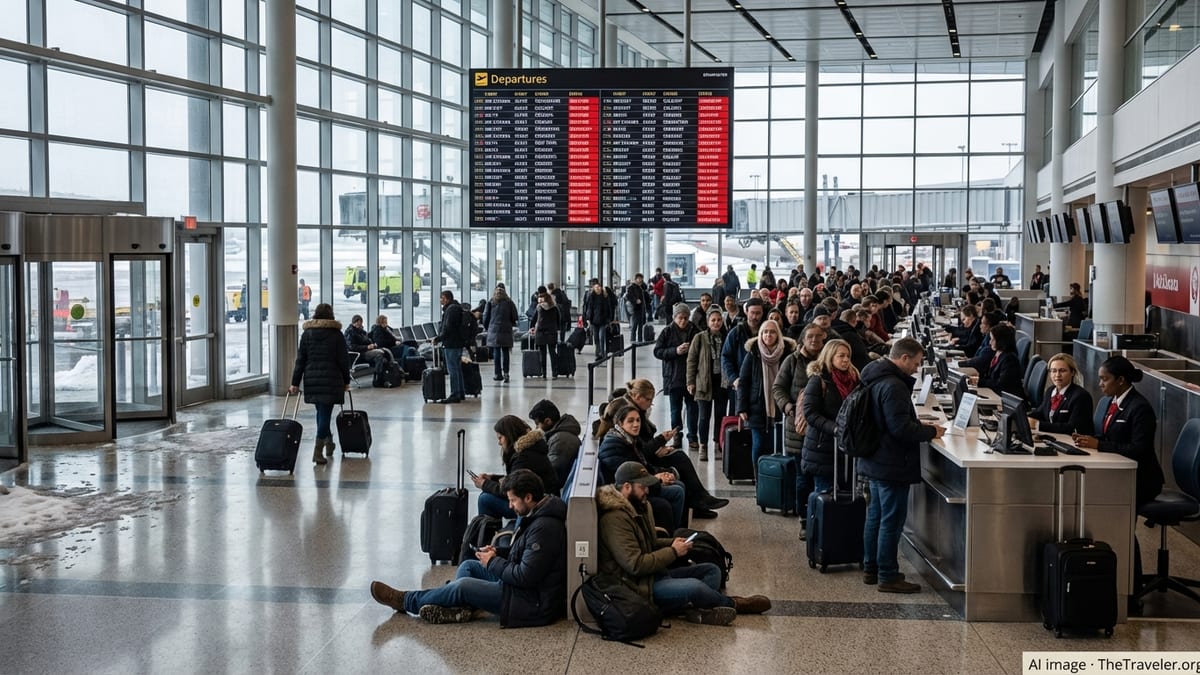
Initial reports indicate that the strike lasted just over 24 hours before the parties announced the settlement. Even within that short window, disruptions were significant enough that some airports experienced long lines at rebooking counters and heavy call volumes from passengers seeking alternative travel options.
While flight attendants are expected to return to work as schedules stabilize, the precise timing of a full operational recovery will depend on aircraft and crew positioning as well as demand patterns in the days ahead.
What the deal means for WestJet passengers
For travelers, the tentative agreement effectively removes the immediate risk of an extended work stoppage that could have continued to upset itineraries into the coming week. WestJet had already introduced flexible change and cancellation policies in the run-up to the strike deadline, allowing guests booked between July 30 and August 4 to modify their plans without standard fees. Those measures are expected to remain an important tool as the carrier works through its backlog.
Public statements from the airline and union highlight a shared focus on minimizing further disruption, but passengers should still be prepared for residual schedule changes as WestJet resets its network. Industry practice suggests that aircraft and crews must be repositioned after large-scale cancellations, which can result in rolling delays and isolated cancellations even after a dispute is officially resolved.
Reports indicate that WestJet also activated interline arrangements with other carriers during the disruption, enabling some stranded passengers to be rebooked on competitors when WestJet options were not immediately available. Travelers whose flights were cancelled or significantly delayed are being advised, according to consumer-focused coverage, to retain documentation and review their rights under Canadian air passenger regulations.
Travel analysts note that the timing of the settlement, coinciding with the close of a long summer weekend, will likely reduce the overall number of affected customers compared with a protracted strike, but the episode underscores the fragility of peak-season networks when even a single work group walks off the job.
Key issues in the dispute: pay, unpaid work and scheduling
The conflict grew out of long-running negotiations over pay, compensation for pre-flight duties and scheduling rules. CUPE material and news reports ahead of the strike emphasized that flight attendants were seeking recognition and pay for time spent on mandatory tasks such as security checks, briefings and boarding activities that occur before aircraft doors close.
Earlier in July, union communications showed that WestJet flight attendants voted overwhelmingly in favor of strike action, delivering a strong mandate for their bargaining team. That vote followed a series of informational pickets and public campaigns at major airports including Toronto, Calgary and Winnipeg, aimed at drawing attention to unpaid work and work-life balance concerns.
WestJet, in its own publicly available explanations of cabin crew compensation, has argued that its pay system already accounts for a range of duties through credit hours and other mechanisms, and that its proposals complied with Canadian labor law. The airline framed its goal as reaching a sustainable agreement that reflects financial realities while remaining competitive with other North American carriers.
Details of the tentative agreement have not yet been fully released, but statements from CUPE suggest that the draft deal includes general wage increases and changes that more clearly recognize the scope of flight attendants’ work. Once a summary is published for members, further specifics on compensation and scheduling changes are expected to emerge.
Broader implications for Canada’s airline labor landscape
The WestJet settlement comes less than a year after a high-profile labor dispute involving Air Canada flight attendants, whose strike ended with a government intervention and a subsequent tentative agreement. According to labor analysts, the WestJet standoff was closely watched as another test of how aviation unions and carriers negotiate around unpaid work and compensation in a tight labor market.
Industry observers point out that cabin crew across North America have been pushing for improvements after years of pandemic-related strain, elevated workloads and higher living costs. The WestJet agreement may influence expectations in upcoming negotiations at regional affiliates and other airlines, especially on issues such as pay for ground duties and protections around duty time and rest.
For Canada’s tourism and travel sector, the quick resolution will be seen as a relief. The country has already experienced several summers of operational challenges, including wildfires, air traffic control constraints and previous labor disputes. A prolonged strike at one of Canada’s largest airlines could have dampened visitor confidence and complicated domestic travel at a critical time.
At the same time, the dispute underscores ongoing tensions between cost control and service reliability for airlines emerging from the pandemic period. While investors typically welcome labor peace, the financial impact of higher wage bills and potential productivity adjustments remains to be assessed as carriers report their results later this year.
Next steps: ratification vote and operational recovery
With a tentative agreement now in place, attention turns to the ratification process among WestJet flight attendants. Union members will be presented with the proposed contract and a schedule for voting, which typically takes place over several days and may include in-person and electronic options depending on union procedures.
Until the vote is completed, the deal remains provisional, though recent Canadian airline labor history suggests that agreements reached after active job action often carry significant weight with members. Should the contract be ratified, it would become the new collective agreement governing pay, scheduling and working conditions for WestJet’s mainline cabin crew.
Operationally, WestJet faces the task of restoring its network to regular strength as quickly as feasible. Publicly available operational advisories emphasize that guests should check the latest status of their flights before heading to the airport and allow additional time for check-in and security, especially in the immediate aftermath of the disruption.
For travelers planning trips later in August and into the autumn, the resolution of the dispute may offer renewed confidence in booking with WestJet. However, travel experts advise that passengers remain aware of general industry volatility, including weather, air traffic constraints and other factors that can affect schedules even in the absence of labor unrest.