


More news on this day
Royal Caribbean is leaning heavily into pre-cruise communications that promise to help first-time guests “sail like a pro” from the moment they board, but one embarkation-day “pro tip” circulating in recent emails and planning guides is drawing scrutiny from experienced cruisers who say it may set unrealistic expectations and even backfire on day one.
Get the latest news straight to your inbox!
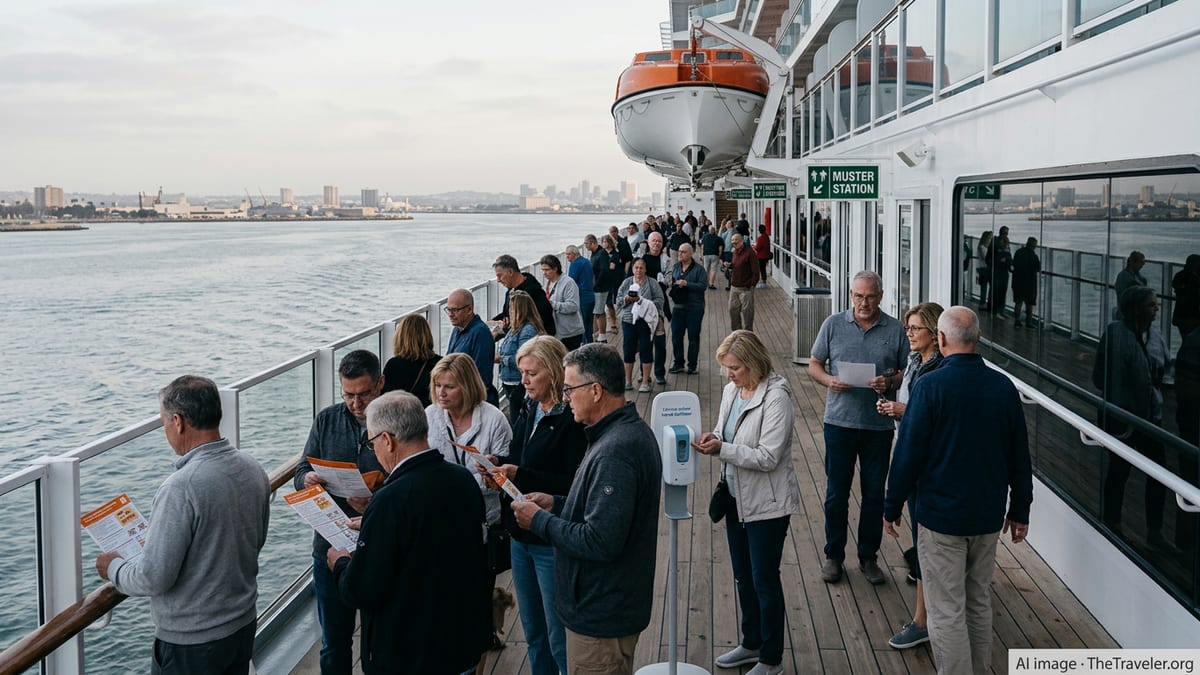
Pre-cruise emails try to script the first day on board
Royal Caribbean has expanded its digital outreach in the weeks before sailing, sending app alerts, packing checklists and embarkation guides that outline how to structure the first hours on board. Publicly available material from the line’s website and guides for first-time cruisers emphasize arriving in a designated check-in window, using the mobile app to complete safety drills, and heading straight into vacation mode once on the ship.
These official guides frequently repeat a core message: guests should think of embarkation day as the start of their holiday, not a logistical hurdle. Recommendations commonly include exploring the ship early, booking entertainment and dining times, and packing a small carry-on bag with swimwear, medications and documents so travelers can enjoy pools and public spaces before luggage is delivered to cabins.
Alongside this, the company promotes curated “pro tips” meant to help new cruisers avoid missteps. Recent advice includes reminders that checked bags may not arrive until late afternoon, encouragement to use the app for dining and show reservations, and suggestions for how to bypass the busiest lunch venues when thousands of passengers are boarding at once.
The messaging aligns with broader industry trends that push mobile check-in and self-service trip management, but it is one particular suggestion about how to handle cabins and carry-on bags that is generating debate among frequent cruisers online.
The controversial ‘drop your bag and go’ suggestion
In some versions of Royal Caribbean’s embarkation communications, a highlighted “pro tip” advises guests to head directly to their stateroom, drop their carry-on bags, and then go explore the ship unencumbered. On paper, the advice sounds practical; many land-based hotels encourage early bag drop-offs even when rooms are not ready. Some cruise materials frame this as a way to start the vacation faster and avoid lugging around tote bags during lunch or pool time.
However, experienced passengers report that Royal Caribbean cabins are often closed to guests for a period on embarkation day while crew complete turnaround cleaning and safety checks. Public commentary from cruise-focused blogs and forums indicates that corridors to staterooms may be blocked or rope-off barriers can be in place until a set time in the afternoon, particularly on larger ships where thousands of cabins must be prepared between sailings.
As a result, critics argue that encouraging first-time cruisers to go straight to their cabin as a primary “pro tip” risks causing congestion and confusion in guest corridors. Instead of a smooth arrival, newcomers may find themselves turned away by signage or crew and forced to backtrack through crowded hallways with their luggage, losing valuable early hours that could have been spent at lunch, in lounges or exploring public areas that are already open.
Some seasoned travelers suggest that this advice reflects a hotel-style mindset that does not always translate cleanly to a ship operating on tight turnaround timelines, particularly when weather, immigration processing or late disembarkation can delay cabin readiness.
What veteran cruisers say works better on embarkation day
Frequent cruisers contributing to independent blogs and social media groups typically recommend a different order of operations than the one implied by the “drop your bag and go” guidance. Their preferred approach centers on accepting that staterooms may not be accessible for a few hours and planning the first day around public spaces and essential tasks rather than an immediate cabin visit.
Common advice includes heading straight to a less-crowded lunch venue rather than the main buffet, using the time before sail away to confirm main dining room assignments and specialty restaurant bookings, and checking the app or daily schedule to line up show reservations. Travelers also often highlight practical stops such as kids’ club registration, spa or shore excursion desks, and a brief safety walk to learn the layout of key decks before they become busier later in the voyage.
Another recurring suggestion is to pack a small embarkation-day tote with everything needed for several hours without cabin access. That typically means swimwear, sunscreen, medications, chargers, valuables and any documents or devices used during check-in. Experienced guests report that with this approach, there is little need to rush toward stateroom corridors, and families can settle into pool decks, lounges or shaded outdoor seating while the ship remains in port.
For these travelers, the mistake is not in trying to lighten the load of carry-on bags, but in assuming that stateroom doors will be open on arrival. They argue that managing expectations around cabin timing is more important than treating an early room stop as a cornerstone of embarkation strategy.
Balancing official guidance with on-the-ground realities
The disagreement around Royal Caribbean’s “pro tip” reflects a broader tension in cruise travel between centrally designed guidance and the realities of moving thousands of people through confined spaces in a short period. Corporate messaging typically aims to keep instructions simple and aspirational, while repeat guests often focus on workarounds and specific timing that matter most in crowded terminals and corridors.
Observers note that the line’s broader first-time cruiser advice still tracks closely with industry consensus: arrive in the port city at least a day early to avoid flight delays, complete online check-in in advance, and treat embarkation day as an opportunity to explore the ship and resolve any booking questions face to face. The point of divergence is how prominently to promote a cabin visit during the narrow window when public areas are open but staterooms may still be off-limits.
Some travel writers argue that a small tweak in language could reduce confusion, such as framing the guidance as an option “once cabins are open” rather than a default first stop for everyone. Others suggest emphasizing the carry-on day bag strategy and encouraging guests to view early hours on board as flexible time that can be spent eating, relaxing or planning the week ahead, with the cabin treated as a later milestone rather than the first objective.
For now, the debate serves as a reminder that even well-intentioned cruise “pro tips” can miss the mark if they do not align with common embarkation-day procedures. As first-time Royal Caribbean guests continue to share real-world experiences online, companies are likely to face ongoing pressure to ensure their pre-cruise messaging reflects how embarkation unfolds on the pier and on board, not just how it looks in a brochure.