


More news on this day
A residential cruise ship promoted as a way to “live at sea” for years has finally left port in Cambodia without any of its paying residents on board, closing a turbulent chapter for hundreds of passengers who were forced to disembark after the operator halted its program amid soaring fuel costs.
Get the latest news straight to your inbox!
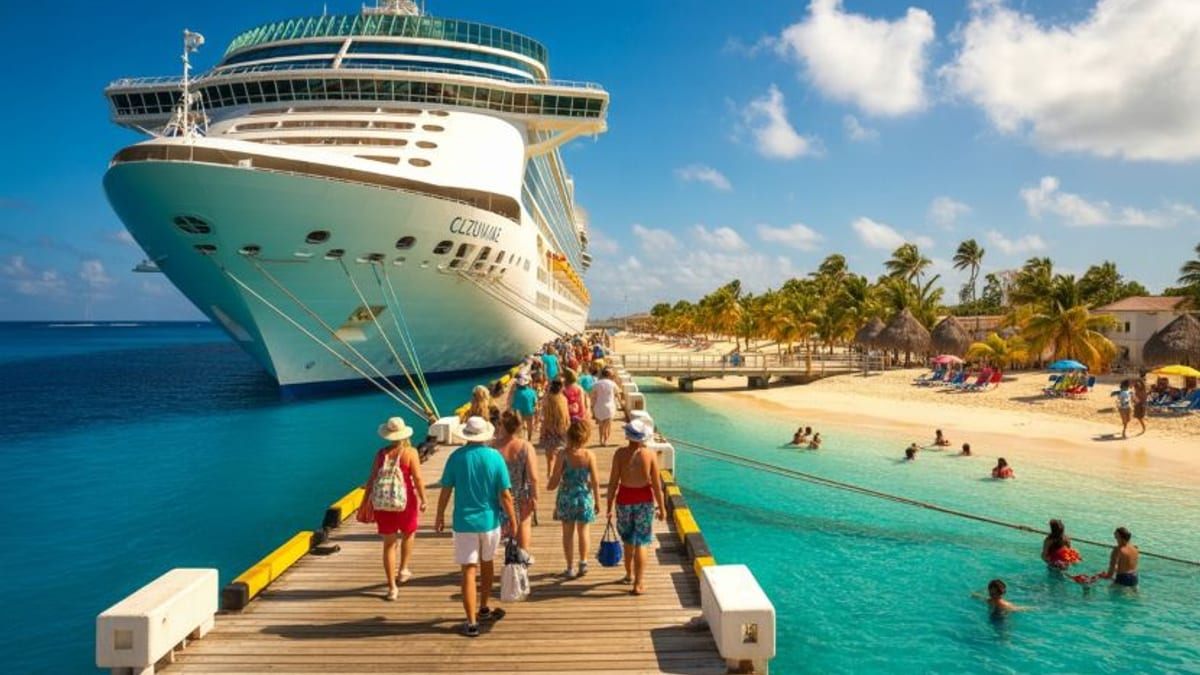
Ship Sails From Sihanoukville With Crew Only
Video published by multiple outlets shows the Villa Vie Odyssey easing away from Sihanoukville Autonomous Port in southern Cambodia with no passengers visible on deck, a stark contrast to the marketing images that once advertised a globe‑circling residential voyage. Local coverage indicates the vessel departed Preah Sihanouk province in the early hours of November 4, carrying only crew and essential staff after spending days docked at the quay.
Reports citing provincial tourism officials state that around 50 crew members remained on board as the ship left Cambodian waters. The operator, Villa Vie Residences, has not provided a detailed public itinerary for the vessel’s next movements, and tracking data available through marine traffic platforms on November 4 showed the ship moving away from Sihanoukville but did not clarify any long term deployment plan.
The quiet departure caps a dramatic week in which the ship’s ambitious multiyear residential program effectively ended in Cambodia, leaving former residents scattered in hotels, short term rentals, and onward flights rather than the floating homes they had expected.
From “Live At Sea” Dream To Abrupt Shutdown
The Villa Vie Odyssey was marketed as a residential cruise concept, offering cabins sold as long term “homes at sea” on an itinerary that was promoted as stretching across several years and dozens of countries. Prospective residents paid substantial amounts, with widely circulated promotional material referring to cabin packages running into the tens of thousands of dollars for extended stays, plus ongoing monthly fees covering operations, fuel, and services.
Published accounts from passengers describe boarding the ship earlier in 2026 with the expectation of a continuous program that would allow them to live, work remotely, and travel without the need to maintain a land based residence. Some sold property or ended leases to finance the move. The ship itself, a refitted traditional cruise vessel, was presented as a fully self contained floating neighborhood, with restaurants, entertainment venues, and communal workspaces.
That vision began to unravel in late October when the company halted the voyage in Cambodia. Publicly available documents and news coverage indicate that the operator cited a sharp increase in fuel prices, linked by several reports to disruptions in global shipping and energy markets following conflict involving Iran. According to these accounts, the company characterized its operating model as no longer sustainable under current fuel costs.
Reductions in port calls and adjustments to the itinerary had been reported earlier in the year, but the full termination of the residential program in Sihanoukville appears to have come as a shock to many residents who had anticipated years, rather than months, on board.
Hundreds Disembark And Scramble For Alternatives
According to video reports and written coverage, approximately 200 residents were instructed to leave the ship in Sihanoukville around October 28, taking all personal possessions with them. Some accounts describe passengers being given limited notice to pack up their cabins before disembarking at the Cambodian port.
Passengers came from North America, Europe, and Australia, based on figures cited in regional and international reporting. Many had organized their lives around the residential cruise concept, giving up long term housing and shipping belongings to meet the ship. Once ashore, they were suddenly faced with the practical questions of immediate accommodation, onward travel, and what to do with possessions that had been intended for storage on a ship rather than in conventional housing.
Reports from international broadcasters and regional outlets show passengers gathered at Sihanoukville hotels and the port’s terminal, some filming videos describing their predicament. Publicly shared documentation and social media posts indicate that at least some residents have been exploring legal options and refunds, although comprehensive information on any formal compensation scheme has not been made public by the operator.
Cambodian coverage notes that local tourism authorities and port staff focused on processing the mass disembarkation and facilitating onward journeys, while the ship remained docked without residents for several days before its crew only departure.
Fuel Costs And The Fragility Of Residential Cruising
The Villa Vie Odyssey case has drawn attention to how sensitive residential cruise models can be to fuel price volatility. Traditional cruise lines typically operate seasonal itineraries and can reallocate ships or adjust routes when costs rise, but a multi year continuous voyage leaves less flexibility to reposition or pause operations without significantly disrupting resident expectations.
International reporting on the Cambodian incident connects the company’s fuel cost challenges to broader disruptions in the global energy and shipping markets. Publicly available analysis of bunker fuel pricing in late 2026 shows elevated costs compared with previous years, increasing pressure on operators that had set long term pricing assumptions during periods of cheaper fuel.
Travel industry commentary also points to the complex financial structure of residential cruising, in which upfront cabin purchases or long term leases are often combined with recurring fees. When operating costs rise sharply, operators may seek additional contributions from residents or adjust services, and if those measures fail to close the gap, the entire model can be at risk. The Cambodian shutdown illustrates how quickly a program marketed as a stable long term lifestyle can be interrupted when core assumptions change.
For prospective travelers considering similar projects, analysts note that the Villa Vie Odyssey episode highlights the importance of examining contractual protections, contingency plans, and the financial resilience of operators offering long duration at sea living arrangements.
Local Impact And What Comes Next For The Ship
The ship’s empty departure has also been closely watched in Cambodia, where Sihanoukville has developed over the past decade as a regional cruise port and tourism hub. The arrival of a high profile residential vessel initially generated local interest, but the subsequent disembarkation of hundreds of passengers and the vessel’s crew only exit has underscored the volatility of niche cruise concepts.
Local media coverage notes that the short term influx of stranded passengers provided some additional business for area hotels, transport providers, and travel agents as residents sought accommodation and onward flights. At the same time, questions have been raised in Cambodian commentary about the reliability of unconventional cruise models and the importance of clear contingency planning when foreign operators use domestic ports as emergency waypoints.
As of November 4, publicly available information on the Villa Vie Odyssey’s next destination and long term deployment remained limited. Industry observers have speculated that the vessel could be repositioned for more conventional cruising, chartered, or laid up pending a sale or restructuring, but no definitive plan has been confirmed in official statements.
For the former residents who watched video of the ship leaving without them, the vessel’s future may matter less than the immediate tasks of securing housing, recovering costs where possible, and deciding whether life at sea still has a place in their long term travel plans.