


More news on this day
A fresh security alert from the United States on Ecuador’s newly announced night curfew is sharpening international attention on Guayaquil, where travelers are being urged to adjust plans as authorities intensify efforts to curb criminal violence along the country’s Pacific coast.
Get the latest news straight to your inbox!
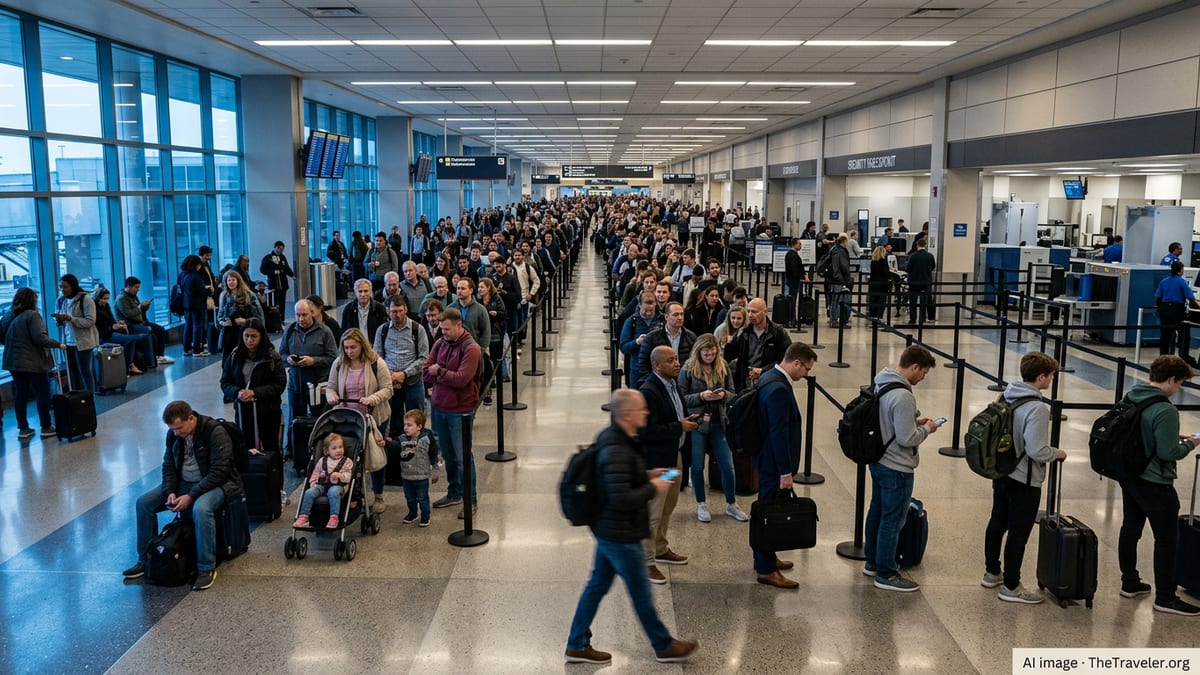
Curfew in coastal provinces puts Guayaquil in the spotlight
Publicly available information from consular and local media reports shows that Ecuador will enforce a new night curfew from November 1 to November 10, 2026, in five coastal provinces, including Guayas, where Guayaquil is located. The measure, set out in Executive Decree 519, restricts movement between 00:00 and 05:00 each night in Guayas, Manabí, Los Ríos, El Oro and Esmeraldas. The decision follows a series of earlier curfew periods introduced during 2026 in response to persistent gang related violence.
Travel focused risk platforms summarizing government advisories indicate that this will be the fourth curfew applied nationally this year, extending a pattern of short, targeted restrictions intended to support security operations. Previous decrees during 2026 have combined curfew hours with a state of emergency and the deployment of military personnel alongside police in Guayaquil and other major cities as authorities seek to regain control of areas affected by organized crime.
Local press coverage from outlets in Quito and Guayaquil notes that earlier curfews, such as those implemented in May and September, were concentrated in coastal provinces with high homicide and extortion rates. Guayaquil, Ecuador’s main port and commercial hub, has been repeatedly highlighted as a focal point of insecurity, making the city a central concern in the latest round of restrictions.
Constitutional court documents published in March 2026 detail how Ecuador’s highest court has upheld the legality of nighttime transit suspensions in Guayas and neighboring provinces, provided essential services are guaranteed and oversight mechanisms remain in place. This legal framework underpins the November curfew and shapes how it is expected to operate in densely populated urban areas like Guayaquil.
US security alert urges caution and limits on movement
In late October 2026, the United States issued a new security alert focused on the upcoming curfew, drawing particular attention from travelers with plans to visit or transit through Guayaquil in early November. According to public information issued through official US consular channels, the alert recommends that US citizens avoid non essential travel during the 00:00 to 05:00 curfew window in the affected provinces.
The alert advises travelers with flights arriving or departing during curfew hours to confirm any applicable exemptions with Ecuadorian authorities and their airlines before traveling. It also notes that passengers should carry valid identification and flight documentation, including a passport and boarding pass, when moving to and from Guayaquil’s José Joaquín de Olmedo International Airport during the restricted period.
Additional guidance summarized in Ecuador based media reports indicates that availability of taxis and ride hailing services could be limited during curfew hours, potentially extending journey times between the airport and hotels in central Guayaquil. Travelers are being encouraged to allow extra time for police or military checkpoints and to keep printed or digital copies of their flight details ready for inspection if asked to justify their movement.
The State Department’s broader travel advisory for Ecuador, last updated in August 2026, already highlights Guayaquil as an area of elevated risk due to crime and sporadic violence associated with organized groups. The new curfew focused alert does not change the overall advisory level but reinforces the message that visitors should plan movements carefully and stay informed about rapidly evolving security conditions.
Impact on flights, transfers and night life in Guayaquil
For air travelers, one of the most immediate effects of the curfew is on transfers to and from Guayaquil’s international airport. Foreign travel advisories clarify that airside transit remains permitted, meaning passengers connecting through the airport without entering the city are not directly affected. However, those needing to travel between the airport and accommodation in Guayaquil or nearby coastal resorts during the restricted hours must factor in possible checks and delays.
Recent guidance from European and regional embassies recommends that passengers schedule arrivals and departures outside the 00:00 to 05:00 window where possible, or arrange ground transportation in advance with providers familiar with the curfew rules. Some advisories indicate that hotels and reputable transfer companies may issue letters or confirmations that can help demonstrate the purpose of late night movements to security personnel.
Within Guayaquil itself, the curfew is expected to significantly reduce night time activity, particularly in entertainment districts and riverfront areas that usually attract visitors. Past curfew periods in the city have included increased patrols and checkpoints along key thoroughfares and around bus terminals, with public transport offerings scaled back during restricted hours. Travelers planning evening dining or events are being advised, in publicly available guidance, to return to their accommodation well before midnight.
Reports from previous curfew phases during 2026 suggest that some intercity bus companies adjusted departure times to avoid the restricted window, especially on routes connecting Guayaquil with other coastal provinces. Similar timetable changes are likely during the November curfew, and travelers are being encouraged to verify schedules directly with operators before purchasing tickets or undertaking overnight journeys.
Curfew embedded in a wider security and legal context
The November curfew forms part of a broader security strategy in Ecuador that has included repeated declarations of states of emergency in provinces such as Guayas, Esmeraldas and Manabí since early 2024. Analytical reports on the country’s security situation describe how coastal cities, and in particular Guayaquil, have become central battlegrounds in confrontations between the state and criminal organizations linked to narcotics trafficking.
International monitoring bodies and research institutes that track crime trends in Ecuador point to Guayas province as a hotspot for gang related violence, with Guayaquil accounting for a significant share of recorded incidents in recent years. The concentration of port infrastructure, logistics facilities and densely populated neighborhoods has made the city strategically important to criminal networks, prompting repeated use of exceptional measures such as curfews to support security operations.
The legal basis for these measures has been scrutinized inside Ecuador. In March 2026, the country’s Constitutional Court issued a decision declaring the suspension of night time transit in Guayas, Los Ríos, El Oro and Santo Domingo de los Tsáchilas constitutional under certain conditions. The ruling emphasized that curfews must be time limited, subject to oversight by national human rights institutions and designed to avoid disruption of essential services, including health care and justice administration.
Humanitarian and international organizations active in Ecuador have documented how recurring states of emergency and curfews affect local communities, refugees and migrants, particularly in urban neighborhoods of Guayaquil. Publicly available operational updates from such organizations describe a delicate balance between restoring security and preserving access to basic services, with curfews influencing everything from working hours to the operation of shelters and community centers.
What travelers can do now when planning trips to Guayaquil
For travelers with imminent plans to visit Guayaquil, the most important step is to verify current restrictions through official travel advisories issued by their own governments and by Ecuadorian authorities. These advisories provide the most up to date information on curfew dates, hours and geographical scope and may be adjusted if the security situation improves or deteriorates.
Travel guidance from North American and European governments currently encourages visitors to maintain a low profile in Guayaquil, avoid high crime districts that are specifically identified in advisories, and monitor local media and trusted information sources for news of incidents or operational changes during the curfew period. Many embassies recommend registering trip details with consular services so travelers can receive direct updates or alerts if conditions change.
Practical preparations can also reduce the impact of the curfew on a stay in Guayaquil. These include scheduling daytime arrivals and departures where feasible, pre booking airport transfers, confirming whether hotel staff are aware of the restrictions and checking that evening activities end early enough to allow for travel back to accommodation before midnight. Travelers may also wish to carry copies of hotel reservations and onward tickets, which can help clarify their movements at any checkpoints.
While current advisories still describe travel to Ecuador as possible with heightened caution, the layered context of a coastal security crisis, recurring curfews and targeted crime warnings for parts of Guayaquil means visitors are likely to face a more controlled environment than in previous years. Those who remain attentive to official guidance, adjust itineraries around the night time restrictions and stay alert to local developments will be better placed to navigate the city during this latest phase of Ecuador’s security response.