


For many travelers, a vacation is no longer just about checking landmarks off a list. It is about feeling the crunch of gravel under a bike tire in Tuscany, following a guide along a quiet trail in Yellowstone, or kayaking across a glassy fjord in Norway. Active travel companies have sprung up to meet that demand, and one name that comes up again and again is Backroads. If you have ever wondered what Backroads is, how it works, and why so many travelers are willing to pay a premium to join its trips, this guide breaks it down with real-world examples and practical detail.
Get the latest updates straight to your inbox!
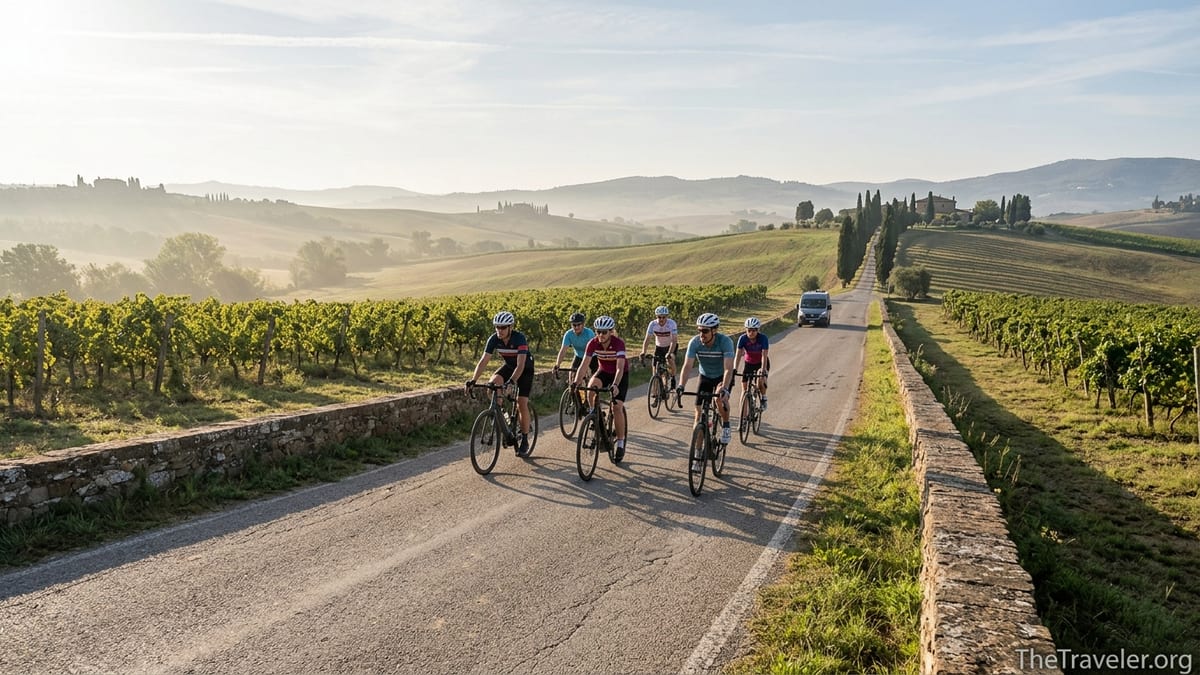
What Is Backroads?
Backroads is a US-based active travel company that designs and operates guided biking, hiking and multi-adventure trips around the world. Founded in 1979 by Tom Hale, the company started with small regional bike tours in the American West and the Canadian Rockies and has grown into one of the largest players in the active and adventure travel niche, with trips on six continents and in dozens of countries. Its headquarters are in Berkeley, California, and it runs thousands of scheduled departures each year, plus a significant number of private and family trips.
Unlike a traditional tour operator that moves guests primarily by motorcoach and focuses on sightseeing, Backroads builds itineraries around human-powered activity. A typical Backroads day might include a 25 to 40 mile bike ride between wine villages in France, a morning hike to a waterfall in Costa Rica, or a mix of walking, rafting and cultural visits in Peru’s Sacred Valley. The vans, hotels and logistics are there to support those activities, not the other way around.
Over the decades, Backroads has broadened its portfolio beyond its original road cycling trips. Today the company offers inn-to-inn hiking routes in places like the Dolomites, e-bike specific departures in hilly regions such as Mallorca, ocean and river cruise trips that add guided rides and walks on shore, and dedicated family itineraries that mix kid-friendly biking with hands-on experiences like cooking classes or canyoning.
In practice, that means a traveler considering Backroads is usually choosing between different styles of active immersion rather than deciding whether to be active at all. The brand has become shorthand in some circles for a certain type of holiday: physically engaged but fully supported, with strong logistics and polished service in the background.
How a Typical Backroads Trip Works
To understand why Backroads has become so popular, it helps to look at the nuts and bolts of a trip from a guest’s point of view. Take, for example, a six-day multi-adventure trip in Yellowstone and Grand Teton National Parks in the United States. Guests typically meet at a designated hotel near Jackson Hole, where they are fitted to Backroads’ titanium road or hybrid bikes, briefed on safety, and introduced to their leaders and fellow travelers. Over the week, they might cycle beneath the Tetons one day, hike to a viewpoint above Jenny Lake the next, and raft a mellow stretch of the Snake River, with the Backroads support vans shuttling luggage and providing snacks along the way.
Daily distance is usually flexible. On a Yellowstone and Tetons departure, one guest might opt for a shorter 10-mile warm-up ride while another chooses a stronger 35-mile loop. Hikers can often choose between a moderate 4-mile walk with less elevation gain or a more challenging 10- to 14-mile route. If anyone is tired, they can simply flag down a leader or hop into the van at one of the designated meeting points. This “ride or hike at your own pace, with a safety net” structure is a hallmark of the Backroads model.
Accommodation and most meals are pre-arranged. In Yellowstone and Grand Teton, that might mean staying inside the national parks at simple but atmospheric lodges, then having dinners at a mix of park restaurants and carefully selected local spots in nearby gateway towns. In Europe, a Backroads trip in Tuscany might string together a family-run agriturismo, a restored stone farmhouse and a boutique hotel in a medieval hill town. Breakfast is nearly always included, lunches are often picnics or relaxed café stops, and dinners are a mix of group meals and evenings free to explore on your own.
Pricing reflects that level of organization. As of mid-2026, a typical six-day Backroads trip in North America or Europe often falls in the range of roughly 4,000 to 6,500 US dollars per person, excluding flights, depending on destination, season and hotel level. More remote destinations like Patagonia or Bhutan, or longer itineraries, can cost more. The upfront price typically covers lodging, most meals, high-quality bikes or hiking gear as needed, luggage transfers, park or monument entry fees listed in the itinerary, support vans and the services of several leaders.
Signature Styles of Backroads Trips
Over time, Backroads has developed a set of core trip styles tailored to different preferences and fitness levels. The best-known are its dedicated biking tours, which might follow vineyard backroads in Napa Valley, coastal lanes in Brittany or quiet country roads linking castles in the Loire Valley. Guests ride high-end titanium bikes, and on many departures there is an option to use an e-bike, which helps level out hills for travelers who want to join stronger companions or who simply prefer a less strenuous ride.
Hiking and walking trips form another pillar of the Backroads catalog. A Dolomites hiking itinerary in northern Italy, for instance, typically includes daily routes in the 5 to 10 mile range through alpine meadows and past rifugi, with cable cars or chairlifts sometimes used to gain elevation at the start. In Japan, a walking trip might trace historical routes such as the Nakasendo, linking post towns where guests sleep in traditional ryokan inns and soak in onsen baths in the evening.
Multi-adventure trips combine several activities in one itinerary. An Iceland family trip might feature easy bike rides along quiet roads, half-day hikes to waterfalls and hot springs, and a zodiac boat excursion among icebergs. In Costa Rica, guests might alternate between rainforest hikes, zip-lining, kayaking through mangroves and relaxing time at a Pacific beach resort. These multi-sport itineraries are especially popular with families and mixed-ability groups because the variety of activities reduces fatigue and keeps everyone engaged.
Backroads also offers niche formats that appeal to specific travelers: active ocean or river cruises where a dedicated Backroads team leads daily rides and walks from the ship, active safaris in places like South Africa where game drives are combined with walking and light cycling, and winter-focused departures that may include snowshoeing and cross-country skiing. For travelers who prefer to travel only with people they know, nearly any itinerary can be arranged as a private departure, often at a higher per-person price but with custom dates and tweaks.
Why Backroads Has Become So Popular
Several factors explain why Backroads, in particular, has built a strong following among active travelers. One is the level of logistical support. A common barrier to planning a bike or hiking trip overseas is the perceived complexity: transporting bikes, choosing safe routes, arranging luggage transfers between inns, dealing with weather or route changes. Backroads removes much of that friction. Guests show up with their personal clothing and shoes, and the company provides the bike, routes, daily briefings and backup vans. For a traveler who wants to ride from village to village in Provence without worrying about mechanical issues or missed hotel reservations, that convenience can be compelling.
Another factor is the company’s emphasis on route design and flexibility. Backroads itineraries usually include short and long options, plus extra challenges for stronger guests. A couple might ride 20 relatively gentle miles through the vineyards of Burgundy while a more athletic traveler on the same trip tacks on a 15-mile climb to a panoramic viewpoint. Because of the support vans, the group can still reconvene in time for a late lunch at a bistro or a wine tasting at a local cellar.
Leadership and group dynamics also play a major role. Backroads leaders typically handle everything from fixing flat tires to translating menus and organizing impromptu side walks in a hill town at sunset. Many guests return to the brand specifically because of one standout leader who made their first trip feel effortless. Solo travelers and small groups of friends often mention that the shared physical challenge of daily rides or hikes makes it easier to connect with others compared with a conventional bus tour.
A final piece of Backroads’ popularity is timing. Interest in wellness and outdoor experiences has surged, particularly since the pandemic, when many travelers began to value fresh air, small group settings and nature-focused trips more than dense urban sightseeing. Backroads, with its decades of experience operating bike and hiking tours and its ability to scale up private and small-group departures, was well positioned to serve that demand.
Backroads Compared to Other Types of Active Travel
Backroads is not the only active travel operator, and it exists on a spectrum between fully independent travel and more traditional guided touring. At one end, a fit and experienced cyclist might plan their own ride across France using online mapping tools, booking small inns directly and handling their own luggage and repairs. This approach typically costs less in direct expenses but demands considerable time and comfort with navigation, language barriers and local traffic rules.
At the other end are value-oriented group tours where guests might do short optional walks or bike rides but spend much of the trip on a bus, visiting cities and major sights with a large group. These can be considerably cheaper per day than a Backroads trip and work well for travelers who are less focused on daily exercise or who prefer large-group social dynamics.
Backroads sits in the middle to upper end of this range. It appeals to travelers who want the structure and peace of mind of a guided tour but who prioritize time on a bike, trail or kayak instead of in a coach seat. However, that comes at a premium price. A traveler deciding between Backroads and planning their own trip might realistically pay several thousand dollars more for a week on a Backroads itinerary when factoring in the guided services, support vans, gear, route design and included meals.
There are also other active travel brands in the market that offer similar concepts, sometimes at different price points or with a slightly different focus. Some specialize only in cycling, others more in trekking or trail running. When travelers describe why they choose Backroads over competitors, they often cite the breadth of destinations, the option for e-bikes, the company’s long track record, and the sense that the itineraries balance activity with good food and comfortable lodging rather than pushing purely for maximum mileage.
Who a Backroads Trip Is Best For
A Backroads trip is best suited to travelers who genuinely want to be active on vacation and who are comfortable with the idea of daily physical effort. That does not mean every guest is an athlete. On many departures, especially those offering e-bikes and multiple route lengths, it is common to see guests in their 50s, 60s and beyond riding or walking at their own pace. Families with teenagers often choose multi-adventure trips where different generations can pick activities that suit their energy levels each day.
Backroads also works well for couples or friends who have different fitness levels. On a cycling trip in Spain’s Costa Brava, for example, a stronger rider might take a regular road bike and tackle extra climbs, while their partner chooses an e-bike and enjoys a more relaxed pace. Because the day is structured around meeting points and shared meals, both can have a satisfying experience without feeling pressured to stay together on the road.
Solo travelers often find Backroads appealing because the trips remove many logistical headaches while offering a built-in social group. On a walking trip along the Algarve coast in Portugal, a solo guest might spend the day hiking with different companions, then join a convivial group dinner arranged by the leaders. The company typically charges a single supplement for private rooms, which can be significant, but some departures offer the possibility of sharing a room with another solo traveler to keep costs down.
Where Backroads may be less ideal is for travelers whose primary interests are museums, nightlife or very low-key sightseeing, or for those on a tight budget. While most itineraries include free time in cities or cultural sites, the focus remains squarely on the active elements. Guests seeking a beach week with minimal movement or a heavy emphasis on big-city restaurant scenes may feel the daily structure too demanding.
Planning and Budgeting for a Backroads Experience
For travelers considering a Backroads trip, planning ahead is essential. Popular departures, such as summer biking in the Dolomites or fall hiking in New England, can sell out months in advance, especially for peak foliage or holiday periods. Booking early increases the chances of securing preferred dates, room types and any special equipment like e-bikes, which are limited in number on each departure.
From a budgeting standpoint, it helps to look beyond the headline trip price and account for flights, pre- and post-trip hotel nights, travel insurance and personal expenses such as drinks, optional activities and tips. A couple from the United States joining a one-week Backroads trip in Europe might, for instance, pay around 10,000 to 13,000 US dollars in total once transatlantic flights, a night in a gateway city hotel, some meals on their own and incidental spending are factored in. Actual figures will vary by destination, season and travel style, but it is realistic to treat a Backroads trip as a premium purchase.
Travelers who want the Backroads-style experience but are cost conscious sometimes compare shoulder-season departures, which can be less expensive than peak summer dates, or opt for trips in regions where lodging and operating costs are lower. They might also choose a destination closer to home to reduce flight expenses, such as a US national parks itinerary instead of a far-flung international trip in a given year.
Finally, fitness preparation matters. While many itineraries are designed with flexibility in mind, guests usually enjoy themselves more if they have done some walking, cycling or general aerobic training in the weeks before departure. A traveler booked on a moderate bike trip in the Loire Valley might, for example, start riding 15 to 20 miles on weekends on local bike paths a month or two beforehand, gradually getting used to being in the saddle for several hours a day.
The Takeaway
Backroads has carved out a distinctive place in the travel world by focusing on something simple but powerful: helping people move through landscapes under their own power, without having to worry about the logistics behind the scenes. From cycling between Tuscan villages to hiking below the peaks of Grand Teton, its itineraries are built for travelers who want their vacation memories to include the rhythm of their own footsteps or pedal strokes as much as the views they stop to admire.
That combination of active days, well-chosen lodging and strong on-the-ground support is at the heart of why Backroads remains popular decades after its first small bike tours. It is not the right fit for every traveler, and it comes at a premium price, but for those who value immersive outdoor experiences and appreciate having expert route design and backup vans as a safety net, it can be a rewarding way to see the world.
FAQ
Q1. What type of traveler is Backroads really designed for?
Backroads is geared toward people who want a physically active vacation built around biking, hiking or multi-sport days, and who appreciate the convenience of having logistics, lodging and routes handled by an experienced operator.
Q2. How fit do I need to be to enjoy a Backroads trip?
Most trips are accessible to reasonably active people who are comfortable walking or biking for several hours a day. Many departures offer e-bikes, shorter route options and van support so guests can adjust the difficulty to their fitness level.
Q3. How much does a typical Backroads trip cost?
Prices vary widely by destination and season, but a common range for a six-day trip in North America or Europe is roughly 4,000 to 6,500 US dollars per person, excluding flights and personal expenses.
Q4. What is included in the Backroads trip price?
The price typically includes lodging, most meals, use of a high-quality bike or necessary gear, support vans, route planning, park or monument entry fees listed in the itinerary and the services of trip leaders. Flights, some meals, drinks and personal purchases are usually extra.
Q5. Are Backroads trips suitable for families with children?
Yes. Backroads offers dedicated family itineraries, often scheduled during school holidays, with activities and pacing tailored for kids and teens, such as shorter rides, flexible hiking options and interactive cultural experiences.
Q6. Can solo travelers join a Backroads departure?
Solo travelers are welcome and commonly join group departures. They can book a private room, often with a single supplement, or on some trips request to share a room with another solo guest if available.
Q7. What kind of accommodations does Backroads use?
Accommodation ranges from simple park lodges and local guesthouses to boutique hotels and higher-end properties, depending on the itinerary. The focus is usually on character, comfort and proximity to great routes rather than on ultra-luxury amenities.
Q8. Do Backroads trips run in bad weather?
Trips generally operate rain or shine, with leaders adjusting daily plans as needed. In case of severe weather or safety concerns, they may modify routes, substitute indoor activities or adjust timing to keep guests comfortable and safe.
Q9. How far in advance should I book a Backroads trip?
Booking several months in advance is advisable, especially for peak periods like summer in Europe or fall in US national parks. Popular departures and room types can sell out early.
Q10. How does Backroads differ from planning my own active trip?
Planning independently is usually cheaper but requires handling routes, logistics, gear and problem solving on your own. Backroads charges more in exchange for expert route design, support vans, experienced leaders, preselected lodging and the convenience of traveling with a small, like-minded group.