


Backroads has been selling itself as the world’s number one active travel company for decades, promising carefully designed biking, hiking and multi‑adventure trips across the globe. If you are considering handing over a precious vacation and a significant chunk of money to a guided active tour, you are probably wondering: is Backroads actually worth it, or are there better options for your style, budget and fitness level?
Get the latest updates straight to your inbox!
What Is Backroads and How Does It Work?
Founded in 1979 and still privately owned, Backroads specializes in fully supported biking, hiking and multi‑adventure trips in destinations ranging from California wine country and national parks to Tuscany, the Canadian Rockies and Japan. The company operates thousands of departures each year in more than 50 to 60 countries across six continents, with itineraries that lean toward comfortable or upscale lodging, strong trip logistics and high guide‑to‑guest ratios rather than hardcore expedition travel.
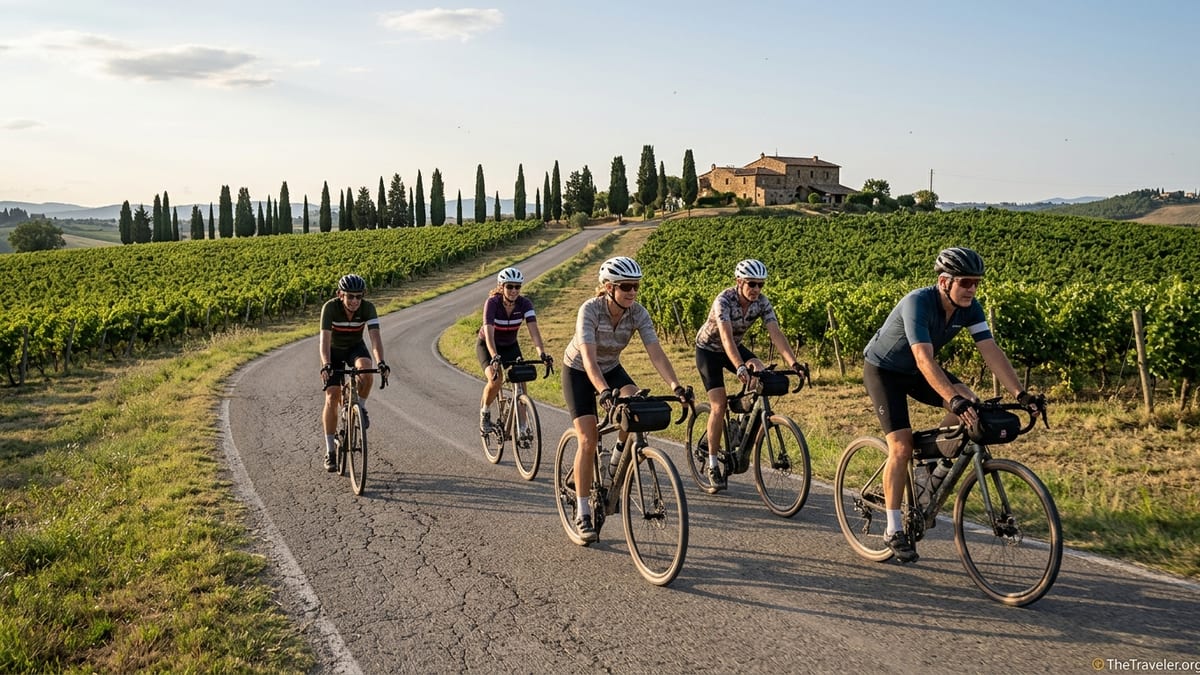
On a typical Backroads biking trip in Provence or the Netherlands, for example, you join a small group of roughly 14 to 20 guests. Two or three trip leaders meet you at a central gateway city, handle transfers to the starting point, set you up on a high‑end road or e‑bike, and support you with at least one van on the road. Daily rides are usually designed with several mileage options, so stronger riders can extend to 40 or 50 miles while others might stick to a gentler 20 to 25 miles with plenty of café stops.
The model is similar on walking and hiking trips. A Backroads “Taste of the Camino” walk in Spain, for instance, covers scenic stretches of the Camino de Santiago over several days with van support, carefully chosen village hotels or country inns, and routes that offer easier and more challenging options most days. Multi‑adventure itineraries, such as in Costa Rica or Iceland, combine a mix of biking, hiking and activities like rafting or kayaking, with Backroads handling all the permits, local guides and equipment.
Crucially, Backroads does not subcontract its core trip leadership to third‑party outfitters, preferring to use its own trained leaders alongside local specialists. For many travelers used to brands that quietly hand off operations to local partners, this level of control over quality and safety is one of the company’s main selling points.
What Do Backroads Trips Actually Cost?
Backroads is positioned in the upper mid‑range to luxury segment of the adventure travel market. Exact prices vary by destination, length and season, but you can expect most six‑day biking or hiking itineraries in Europe or North America to start somewhere in the ballpark of 4,000 to 6,000 US dollars per person, based on double occupancy. More exotic destinations such as Bhutan, Patagonia or New Zealand, or trips that use high‑end boutique hotels and lodges, can rise into the 7,000 to 9,000 dollar range or higher per person for a week.
That base price typically includes lodging, most meals, route design, support vehicles, bikes or hiking gear where relevant, gratuities for local service providers, and in‑country transportation during the trip. It does not include international flights, travel insurance, or most pre‑ and post‑trip hotels. Alcohol is often only partially included, and you will want a budget for personal purchases, occasional independent lunches and optional activities.
Solo travelers should pay particular attention to the single supplement. Like most upscale tour operators, Backroads prices its trips assuming two people per room. If you want your own room, expect to pay several hundred to more than a thousand dollars extra on many departures. The company does, however, sometimes offer reduced single supplements on select dates, and will match solo travelers willing to share a twin room with another guest of the same gender when possible.
To decide if Backroads is worth the money, it can help to compare with peers. A similar‑length cycling trip in Tuscany with another premium operator might be priced within a few hundred dollars of a Backroads itinerary, while more budget‑minded group trips in the same region can undercut Backroads by one to two thousand dollars per person but with simpler hotels, fewer support vehicles and larger group sizes. Backroads is rarely the cheapest option, but it is also not the very top of the price spectrum, which is often occupied by ultra‑luxury outfitters and fully private custom itineraries.
What Is the Experience Like on Biking, Hiking and Multi‑Adventure Trips?
Travelers who enjoy Backroads typically highlight three elements of the on‑trip experience: guides, logistics and flexibility. Trip leaders are a central part of the brand’s identity. Many guests report that leaders remember dietary preferences from day one, handle complex logistics in the background, and have the authority to adjust routes or timing on the fly for safety or weather. On a Backroads e‑biking trip in Tuscany, for example, leaders might re‑route around a pop‑up road closure, arrange an unscheduled wine tasting, and still have the support van set up a picnic lunch in a quiet vineyard with local specialties.
Daily structure is usually relaxed but well organized. A typical day on a Backroads hiking trip in the Canadian Rockies might begin with a buffet breakfast at the lodge, followed by a briefing where leaders outline two or three hiking options, such as a mellow lakeside walk, a moderate ascent to an alpine viewpoint, and a more strenuous full‑day route gaining a thousand meters of elevation. Guests choose the option that fits their energy and comfort for that day. Lunch might be a trailside picnic set up by the leaders, and evenings are often spent at a carefully chosen local restaurant or the lodge’s dining room, with time left for spa visits or a stroll into town.
Backroads makes a point of using multiple support vehicles when group sizes justify it, which enhances the “travel at your own pace” promise. Slower cyclists can hop in the van for a stretch without feeling they are holding the group back, while stronger riders can push on, knowing the van is leapfrogging ahead with water, snacks and mechanical support. This is especially noticeable on hot or hilly routes, such as rides among the vineyards of the Douro Valley or climbs in the Dolomites, where the ability to shorten a day can be the difference between a type‑one fun vacation and a sufferfest.
Accommodations and food are another highlight for many guests. Backroads tends to favor atmospheric boutique hotels, historic inns and well‑reviewed lodges over chain properties, especially in Europe and North America. On some trips, like a Loire Valley bike tour or a Napa and Sonoma wine country itinerary, this may translate into stays at chateaux, design‑forward country hotels or vineyard lodges that would cost several hundred dollars per night if booked independently. Meals often showcase regional cuisine, from tapas bars in northern Spain after a Camino hike to seafood restaurants along the Croatian coast on a multi‑adventure trip.
Who Is Backroads Best For?
Backroads is designed for travelers who want to be active but do not necessarily identify as hardcore athletes. The company grades trips by activity level and offers e‑bikes on many cycling itineraries, which opens up hilly regions such as Tuscany, the Alps or the Portuguese countryside to a wider range of abilities. If you are comfortable walking several hours a day or biking 20 to 40 miles at a relaxed pace with breaks, you are in the sweet spot for a large portion of their catalog.
The brand is particularly strong for couples, groups of friends and multigenerational families who value comfort, consistent trip quality and not having to worry about logistics. Backroads offers tailored departures for families with teens, younger kids or adult children, meaning that a hiking and rafting trip in Utah’s national parks or a biking trip along the Danube can be structured with age‑appropriate distances and activities. These departures often attract families in similar life stages, which can make socializing easier for both kids and parents.
Solo travelers also use Backroads, though the value calculus is more nuanced because of the single supplement. If you prefer group structure, appreciate knowing a team is monitoring trail conditions, and like the idea of joining dinners with other guests rather than eating alone, you may find the premium justified. Some solos deliberately choose itineraries and dates that Backroads markets as popular with other singles, such as certain hiking trips in the Alps or biking trips in coastal Europe, to maximize social interaction.
Backroads is less ideal for those seeking either extreme adventure or bare‑bones pricing. Travelers who want technical mountaineering, remote expedition rafting or minimalist camping can usually find more specialized outfitters that focus on those niches. Likewise, budget‑first travelers willing to navigate public transport, book simple guesthouses and design routes themselves will almost always spend less arranging a self‑guided Camino, Dolomites trek or bike tour through regional operators and local guesthouses.
Key Advantages: Where Backroads Stands Out
One of Backroads’ major advantages is trip design. Routes are usually the product of many years of refinement, with attention to quiet back roads, scenic viewpoints and local experiences that would take a first‑time visitor weeks to research. On a biking trip in Burgundy, for instance, you are likely to spend most of your time on minor vineyard lanes and village streets rather than busy regional highways, stopping for wine tastings or visits to small producers that the company has vetted over multiple seasons.
Support and safety are another strength. Multiple guides and vans mean that, on a hot afternoon in Zion National Park or during an unexpected thunderstorm in the Alps, you have backup. Leaders typically carry first‑aid kits, satellite communication devices where needed and contingency plans for route alterations. For many guests, especially those with limited wilderness experience, this safety net is worth as much as the included meals and hotels.
Backroads also invests heavily in bikes and gear on its cycling trips. While specific bike brands and models can vary by region and season, guests commonly report well‑maintained performance road bikes and modern e‑bikes fitted to each rider at the start of the trip. Mechanics or mechanically skilled leaders handle tune‑ups and repairs, and spare bikes are usually carried on the van. If your chain snaps halfway up a hill in Mallorca or your e‑bike battery misbehaves on a climb in the Dolomites, you are unlikely to be stranded for long.
Finally, Backroads offers breadth and consistency. It runs active trips in a wide range of destinations, including marquee regions such as the Italian Lakes, the Canadian Rockies, Patagonia and Japan, along with national park classics like Yellowstone and the Tetons. The company’s size allows it to maintain similar service standards and operating procedures across these itineraries, which can be reassuring if you want to know that your family hiking trip in Costa Rica will feel broadly similar in structure and quality to the biking vacation you took with them in France.
Potential Drawbacks and When Backroads May Not Be Worth It
No company is perfect, and there are situations where Backroads may not be the best fit. The most obvious drawback is price. Even though the trip cost often reflects high‑end lodging, multiple guides and strong logistics, it is still a significant outlay, especially when you add international flights and pre‑ or post‑trip hotels. If you are a confident traveler happy to book your own simple hotels or hostels, rent bikes locally and navigate trains or rental cars, you can often replicate the broad outline of a Backroads itinerary for less, trading away the company’s support and polish.
Group dynamics are another consideration. While Backroads keeps groups relatively small, you are still sharing your vacation with 10 to 20 strangers unless you book a private departure. Many guests enjoy the camaraderie, but there is always some chance that personalities will not mesh or that the group pace will not feel perfect for you every day, despite the company’s efforts to offer route options. Travelers who strongly prefer total independence or solitude may feel constrained by daily meeting times, group dinners and the presence of guides.
The activity level can also be a mismatch in some cases. Although Backroads offers graded difficulty and e‑bikes on many trips, very fit cyclists or hikers may find that the standard distances and group pacing feel too gentle, particularly on departures popular with first‑time active travelers. Conversely, guests who overestimate their fitness may find themselves consistently choosing shorter options or van transfers, which can lead to frustration. Reading the daily mileage, elevation gain estimates and trip reviews carefully before booking is important.
Finally, while Backroads emphasizes responsible travel and careful destination management, some itineraries visit already crowded regions and national parks. Joining a guided group does not automatically solve issues like trail congestion in places such as the Cinque Terre or peak‑season Yellowstone. If your primary goal is solitude in remote wilderness, you may be better off with a smaller specialist outfitter that focuses on off‑grid backpacking, or by planning your own off‑season trip to lesser‑known regions.
How Backroads Compares to Other Adventure Travel Companies
When assessing whether Backroads is worth booking, it helps to compare it with other recognizable brands in the active travel space. Companies such as Trek Travel, Butterfield and Robinson, and various regional outfitters all offer guided cycling and hiking holidays with their own emphases. Trek Travel, for example, is closely linked with its namesake bike manufacturer and is particularly strong in road cycling itineraries that appeal to enthusiasts, including Tour de France‑themed trips. Butterfield and Robinson’s catalog often skews even more luxurious than Backroads, with a strong focus on high‑end hotels and culinary experiences.
On the more budget‑conscious end, some global adventure operators offer walking and cycling trips with simpler accommodation, fewer included meals and larger group sizes, which bring prices down. Regional specialists might run week‑long Dolomites hikes or Camino sections with local guides and cozy but basic pensions at significantly lower price points, though with less flexibility if you want to switch routes on the go or request special dietary arrangements.
Where Backroads tends to distinguish itself is in breadth of destinations, consistency of trip leadership and the balance between comfort and activity. You are unlikely to find rock‑bottom pricing or ultra‑luxury private villas, but you are quite likely to find a well‑supported, polished active trip almost anywhere you would reasonably want to bike or hike on vacation, from Europe and North America to parts of Asia, South America and Oceania.
For many travelers comparing options after the closure or downsizing of other adventure brands, Backroads often appears as a logical successor: a company that is large enough to be stable, experienced in national parks and classic routes, and oriented squarely toward guided active travel rather than general sightseeing.
The Takeaway
Backroads is generally worth booking if you are looking for a well‑organized, comfortable, and genuinely active vacation where biking or hiking is the core of each day but not the sole focus of the experience. Its trips tend to combine scenic routes, solid guides, quality hotels and regional food in a way that feels more like a curated holiday than a rugged expedition. Travelers who value safety, support and not having to plan every logistical detail are the ones most likely to feel they got good value for the price.
On the other hand, if your priority is minimizing costs, maximizing independence or pursuing high‑risk adventure sports, you may find that Backroads is more structure and comfort than you need. In those cases, self‑planned travel or smaller, more specialized outfitters could be better fits. The decision ultimately comes down to how much you value expert itinerary design, small‑group camaraderie and the reassurance that comes from traveling with a company that focuses almost exclusively on active trips.
Before booking, study the detailed daily itinerary, check the stated difficulty level against your honest fitness, and factor in the full trip cost, including flights and incidentals. If you look at a specific Backroads itinerary, such as a biking week in Provence, a hiking trip in the Alps or a multi‑adventure journey in Costa Rica, and feel that you would happily pay for someone to remove the stress of planning and guiding those days, then Backroads is likely to be worth it for you.
If, by contrast, you look at the same routes and think you would enjoy piecing them together yourself with a mix of guesthouses, local rentals and public transport, you may be better served by treating Backroads’ catalog as inspiration rather than a purchase. Either way, understanding what the company excels at, and where it is less unique, helps you make a clear, informed decision about your next hiking, biking or multi‑adventure holiday.
FAQ
Q1. Is Backroads worth the high price compared with planning a trip myself?
For many travelers, the value lies in expert route design, quality lodging, strong safety support and not having to manage logistics. If you are comfortable researching routes, booking your own hotels and handling transport and emergencies, you can almost always travel more cheaply on your own, but you will give up the backup and polish Backroads provides.
Q2. How fit do I need to be for a Backroads biking or hiking trip?
You should be comfortable being active for several hours a day. Many biking itineraries offer 20 to 40 miles at relaxed paces, with e‑bikes available on many routes, and hiking days often provide easier and more challenging options. Very sedentary travelers may struggle, while very fit athletes may occasionally find the standard distances conservative.
Q3. Are Backroads trips suitable for solo travelers?
Yes, many solo travelers join Backroads. You will pay more attention to the single supplement and total cost, but the structured social environment, shared meals and consistent guide presence can make it a comfortable way to travel alone while still having company and support.
Q4. What is typically included in a Backroads trip price?
Trip prices generally include accommodations, most meals, daily activities, use of bikes or necessary gear, route planning, support vehicles and in‑country transportation during the itinerary. International flights, travel insurance, some alcohol, optional activities and pre‑ or post‑trip hotels are usually not included, so you should budget for those separately.
Q5. How big are the groups on Backroads trips?
Groups are typically small, often in the range of about 14 to 20 guests, with two or more trip leaders and at least one support van. Some departures are capped even lower, and private trips can be arranged for your own group if you prefer to travel only with friends or family.
Q6. Does Backroads cater to families with children or teens?
Yes, Backroads offers specific family departures tailored to different age groups, such as families with teens or with younger children. These trips feature age‑appropriate daily distances, activities such as rafting or easy cycling, and itineraries aimed at keeping both kids and adults engaged, whether in US national parks or classic European regions.
Q7. What kind of accommodations does Backroads use?
The company tends to favor comfortable to upscale properties, including boutique hotels, historic inns, vineyard lodges and well‑reviewed lodges near national parks. In many destinations, these are the kinds of places independent travelers might choose for a special‑occasion trip, rather than purely budget options.
Q8. Is Backroads a good choice for first‑time active travelers?
Often yes, especially if you choose an easier‑rated itinerary and are open to using an e‑bike on hilly cycling trips. The support vans, multiple guides and flexible mileage or hiking options help ease people into active travel while still feeling safe and looked after.
Q9. How does Backroads compare to other adventure travel companies?
Backroads usually sits in the upper mid‑range to luxury band on price, with a strong focus on active travel rather than general sightseeing. It is not the cheapest operator and not always the most luxurious, but it offers broad destination coverage, consistent trip leadership and a balance of comfort and activity that appeals to many travelers.
Q10. How far in advance should I book a Backroads trip?
Popular departures, especially peak‑season trips in places like European wine regions and US national parks, can fill many months in advance. Booking at least six to nine months ahead is wise for high‑demand dates, while shoulder‑season or less well‑known itineraries may have availability closer to departure.