


For many travelers, the ideal vacation is not a resort pool or a shopping street but the thrill of watching a polar bear cross the tundra, hearing howler monkeys at dawn in a Costa Rican rainforest, or drifting silently past a pod of whales in Alaska. Natural Habitat Adventures, often shortened to “Nat Hab,” has built an entire company around that desire. With a strong conservation focus and a long-standing partnership with World Wildlife Fund, it has become one of the best-known names in wildlife travel. Understanding what the company actually does, how it operates, and what sets it apart can help you decide whether a Nat Hab trip belongs on your own wish list.
Get the latest updates straight to your inbox!
What Is Natural Habitat Adventures?
Natural Habitat Adventures is a U.S.-based adventure travel company that specializes in small-group wildlife and nature-focused trips around the world. Founded in 1985, it designs guided itineraries that revolve around seeing wild animals in their natural habitats rather than ticking off cities or famous monuments. The company is particularly known for trips to polar bear country in northern Canada, classic African safaris, Galapagos Islands expeditions, and immersive journeys in places like Alaska, Costa Rica, and Botswana.
Unlike a general tour operator that might offer everything from European city breaks to Caribbean cruises, Natural Habitat Adventures concentrates almost exclusively on nature and wildlife experiences. Its trips are usually capped at relatively low group sizes, often around 8 to 14 travelers, so that people can move quietly in sensitive environments and enjoy a more personal, expert-guided experience. This niche focus is one reason it has attracted a dedicated following among photographers, birders, and travelers who prefer wilderness over urban sightseeing.
The company sits within a larger adventure travel ecosystem. In 2016, expedition cruise operator Lindblad Expeditions acquired a controlling interest in Natural Habitat Adventures, positioning Nat Hab as its primary land-based, conservation-oriented partner. That relationship gives the company financial backing and logistical reach while it continues to market itself as an independent brand focused on intimate, land-based wildlife travel.
Natural Habitat Adventures is headquartered in Colorado and operates trips on nearly every continent through a mix of in-house staff, contracted guides, and local partners. The company’s brochure and website emphasize that its mission is “conservation through exploration,” highlighting a belief that carefully managed tourism can help protect the very wildlife and landscapes that travelers come to see.
A Deep Partnership With World Wildlife Fund
One of the most distinctive elements of Natural Habitat Adventures is its long-running alliance with World Wildlife Fund (WWF). Since 2003, WWF has selected Nat Hab as its primary partner for conservation-focused travel programs, and the two organizations promote a portfolio of co-branded trips. WWF describes Nat Hab as one of the few tour operators that focuses specifically on wildlife and natural history and stresses the companies’ shared commitment to protecting biodiversity.
In practice, the partnership means that many Nat Hab itineraries are marketed as WWF journeys, and a portion of the trip revenue supports WWF’s conservation work. On some departures, WWF scientists or program staff join as guest experts, offering in-depth briefings on local conservation challenges. For example, on a polar bear trip based out of Churchill, Manitoba, travelers might hear directly from a WWF expert about how sea ice loss is affecting Hudson Bay’s bears and what international efforts are underway to address climate impacts in the Arctic.
The collaboration also influences how trips are designed. WWF and Nat Hab have worked to limit group sizes, avoid sensitive breeding areas, and schedule visits for times of year when wildlife viewing is excellent but disturbance is minimized. In places such as the Galapagos Islands, for instance, guests travel on small vessels or live-aboard yachts that follow strict park regulations, and naturalist guides are trained to reinforce responsible wildlife viewing rules at all times.
For travelers, this partnership acts as a kind of quality and ethics signal. Many guests choose Nat Hab precisely because they recognize the WWF panda logo and trust that the trip is built with conservation in mind. While supporting conservation is not the only motivation for booking, it is a significant factor for travelers who want their money to help protect wildlife rather than inadvertently harm it.
Signature Trips and Real-World Examples
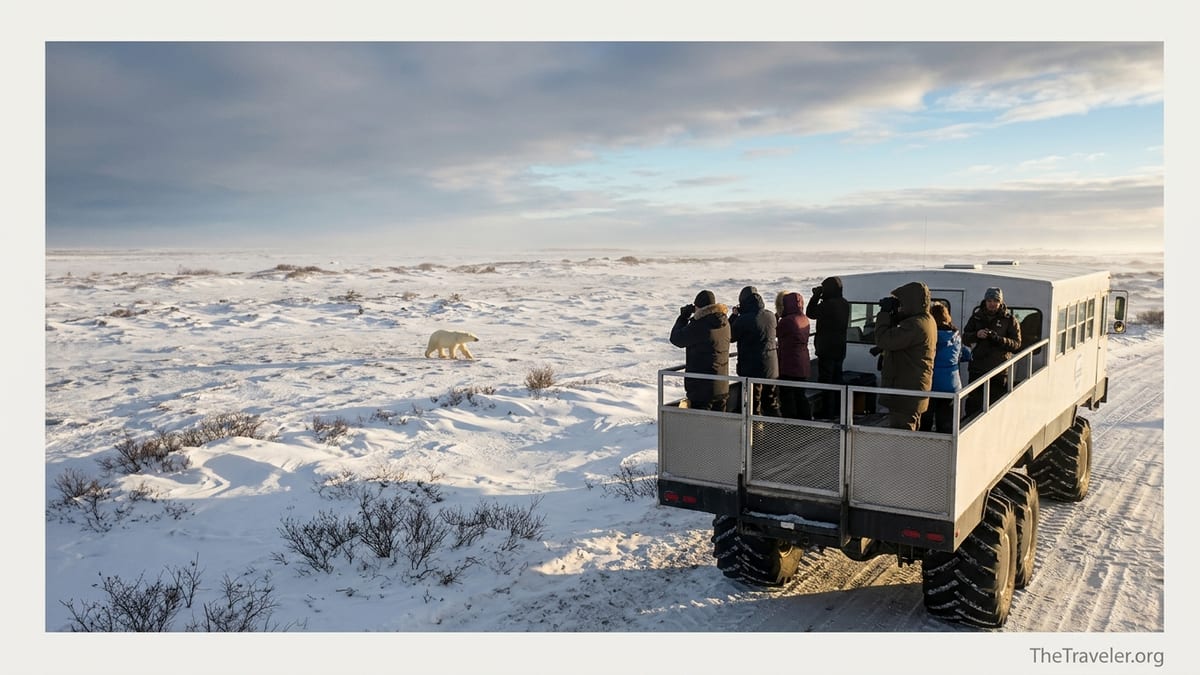
Natural Habitat Adventures operates dozens of itineraries worldwide, but a handful of “signature” trips give a clear sense of what the brand is known for. One of the best-known is Canada’s Premier Polar Bear Adventure, a multi-night journey based in Churchill on the shore of Hudson Bay. Small groups travel in custom-built tundra vehicles with large windows and outdoor viewing platforms to observe polar bears gathering near the coast in October and November. Sample prices for this kind of trip are typically in the several-thousand-dollar range per person before flights, with recent brochure rates starting around the high four figures for about six nights, depending on the exact season and inclusions.
In warmer climates, the company’s Costa Rica and Belize itineraries showcase rainforest wildlife, from sloths and toucans to coral reef ecosystems. A typical Costa Rica wildlife journey might combine time in a cloud forest lodge, a lowland rainforest near the Caribbean, and coastal wetlands, with guided walks at dawn and dusk when animals are most active. Guests may visit local conservation projects, such as sea turtle nesting beaches, and learn how tourism revenue contributes to habitat protection and employment in rural communities.
The Galapagos Islands are another key destination. Nat Hab’s Galapagos trips usually take place on small expedition ships or private yachts, with guest capacities far lower than mainstream cruises. Days are structured around guided Zodiac excursions, snorkeling with sea lions and marine iguanas, and onshore hikes with naturalists who explain island geology and evolutionary history. The higher price tag compared with larger cruise lines reflects not only the smaller group size but also the strong emphasis on guiding quality and careful adherence to environmental regulations.
In Africa, Natural Habitat Adventures offers safari-style trips in countries like Botswana, Namibia, and Tanzania, often centered on private concessions or remote camps. A Botswana-focused itinerary, for example, might combine a tented camp in the Okavango Delta, a mobile camp in a wildlife corridor, and a lodge near Chobe National Park. Game drives take place in open vehicles with only a few guests per row, allowing photographers ample room to maneuver. While luxury levels vary, most trips are firmly in the “comfortable to upscale” range, rather than ultra-luxury or budget-oriented.
What Makes Nat Hab Popular With Wildlife Travelers
Natural Habitat Adventures has developed a loyal customer base for several intertwined reasons, beginning with its clear, single-minded focus on wildlife. Travelers who book with Nat Hab know that animal encounters and natural landscapes are the main event. Guides are trained naturalists, not generalist tour escorts, and itineraries are built around prime wildlife periods rather than school holidays or shopping festivals. That clarity of purpose appeals to travelers who care more about spotting wolves in Yellowstone than dining at the trendiest city restaurant.
Small group sizes are another major draw. On many departures, the total group is limited to roughly a dozen people, and vehicles are configured so that each traveler has a window seat in safari trucks or space to move between viewing areas on tundra rovers. This design reduces crowding at wildlife sightings and allows guides to tailor the day’s activities to guests’ interests and fitness levels. It also makes the trips feel more like an expert-led field course than a mass-market tour.
Many travelers also cite the company’s guiding standards as a key reason for repeat bookings. Nat Hab puts its guides through detailed training in wildlife behavior, safety, interpretation, and hospitality, and it tends to keep guides on long-term contracts, which allows expertise to deepen in particular regions. On a brown bear trip in Alaska, for instance, you may be led by someone who has returned to the same rivers and meadows for years, knows which viewing platforms are productive at different tide levels, and has a strong network of local contacts.
Finally, Natural Habitat Adventures attracts guests who appreciate the balance of comfort and immersion. Accommodations might include remote eco-lodges, tented camps, or rustic but well-equipped expedition-style cabins. Rooms are typically en suite, meals are substantial, and logistics are handled in detail, but the overall emphasis remains on time in the field rather than spa treatments or nightlife. That combination tends to appeal to travelers who are willing to pay for a high-quality wildlife experience but who are less concerned with high-end luxury trimmings.
Conservation, Carbon Neutrality, and Zero-Waste Experiments
Beyond wildlife viewing, one of the central reasons Natural Habitat Adventures is frequently highlighted in sustainability discussions is its environmental policies. The company describes conservation as its core business model, not just a marketing angle, and has set a series of ambitious goals that go beyond standard “green” gestures. Since 2007, Nat Hab has publicly positioned itself as the world’s first 100 percent carbon-neutral travel company, working with specialized partners to calculate emissions from its operations and to support verified carbon offset projects.
In recent years, the company has refined this work through an initiative sometimes described as Carbon Clear Vision. It publishes an annual sustainability report that outlines total emissions, offset purchases, and progress toward long-term climate goals. For travelers, this shows up in trip materials that describe how emissions from lodges, in-country transport, and other trip elements are accounted for and balanced by investments in climate projects. While long-haul flights to reach a destination are usually not fully within the company’s direct control, Nat Hab provides guidance on reducing overall footprints and sometimes includes flight emissions in broader calculations.
Natural Habitat Adventures has also experimented with waste reduction at a level that few tour operators attempt. In 2019, it organized a small-group Yellowstone National Park departure as a “zero waste adventure,” with the ambitious goal of sending almost no trash to landfill. Guests and staff reused containers, sorted materials meticulously, avoided single-use plastics, and worked with local partners to ensure that composting and recycling facilities could handle what remained. The project served as a test case for scaling up waste reductions across the broader portfolio.
Other tangible changes include eliminating disposable plastic water bottles from trips, investing in efficient vehicles and boats where possible, and favoring lodges that use renewable energy or strong conservation practices. These steps matter to travelers who want to minimize harm yet still see remote places. While no wildlife trip is impact-free, Nat Hab’s visible efforts to quantify and reduce that impact contribute significantly to its reputation among environmentally conscious guests.
Accessibility, Comfort Levels, and Who These Trips Are For
Wildlife travel often raises questions about physical demands. Natural Habitat Adventures addresses this by rating each trip’s activity level on a spectrum from “easy” to more challenging. It also maintains a selection of easier adventures designed for travelers who want rich nature experiences without strenuous hiking or demanding paddling. These might include lodge-based polar bear trips where most wildlife viewing takes place from heated tundra vehicles or accessible viewing platforms, or African safaris where game drives are the primary activity and walks are optional.
On the other end of the spectrum, some Nat Hab itineraries involve longer hikes, bumpy drives, or activities like sea kayaking and snorkeling. A trip in the Peruvian Amazon, for example, might include multiple hours in motorized canoes, canopy tower climbs, and humid forest walks on uneven ground. Travelers are encouraged to discuss their fitness levels with Nat Hab’s Adventure Specialists before booking so that the right itinerary and departure season can be chosen.
In terms of comfort, most trips fall into a “comfortable but not flashy” category. Rooms typically have hot showers, real beds, and electricity, though Wi-Fi may be limited or absent in remote areas. In the polar regions and high latitudes, Nat Hab often supplies specialized gear such as heavy parkas and insulated boots as part of the package, which simplifies packing and ensures that all guests are adequately equipped for prolonged outdoor viewing sessions.
These trips tend to attract a mix of couples, solo travelers, and multigenerational families, particularly on school holiday departures in locations like Costa Rica or Alaska. Many guests are repeat travelers who have already experienced more generic tours and now want a trip built fully around wildlife. First-time guests often discover Nat Hab through WWF, nature magazines, or word of mouth from friends who returned home with dramatic photos and stories.
Pricing, Value, and How It Compares to Other Operators
Natural Habitat Adventures is generally positioned in the mid to upper price tier of the adventure travel market. A flagship trip such as a six-night polar bear expedition from Winnipeg to Churchill often starts in the neighborhood of several thousand U.S. dollars per person, based on double occupancy, before airfare to the gateway city. African safaris and Galapagos voyages can cost more, reflecting high park fees, remote logistics, and the expense of running small-group operations in sensitive environments.
Those prices typically include accommodations, most meals, in-country transportation, park permits, and guiding, as well as specialized gear where needed. They do not usually cover international flights to the starting point, personal travel insurance, or optional extensions. When comparing offerings, it is useful to look closely at what is covered. A Nat Hab polar bear trip that includes park passes, warm clothing, and multiple days of tundra rover access may appear expensive at first glance but can be comparable in net cost to piecing together regional flights, hotel nights, and separate day tours on your own.
Compared with some other adventure companies, Nat Hab distinguishes itself with its explicit wildlife and conservation focus and its WWF partnership. Other well-known operators, such as G Adventures, World Expeditions, or regional specialists, also offer wildlife trips, and some may undercut Nat Hab on price, particularly on larger-group departures. Smaller conservation-focused brands and regional ecotour companies can offer more budget-friendly options in specific destinations but may not have the same global reach, training standards, or sustainability programs.
For many travelers, the decision to book with Nat Hab comes down to value rather than absolute price. Guests weigh the benefit of a small group, highly trained naturalist guides, a clear conservation ethic, and thorough logistics against lower-cost but more generic alternatives. Those who choose Nat Hab often report that the depth of wildlife encounters and guiding expertise justifies the investment, especially on bucket-list trips that they do not expect to repeat.
The Takeaway
Natural Habitat Adventures occupies a distinctive space in the modern travel landscape: a company that is unapologetically focused on wildlife, closely intertwined with one of the world’s leading conservation organizations, and willing to invest in sustainability initiatives that go beyond marketing slogans. For travelers who dream of seeing polar bears, jaguars, whales, or tropical birds in the wild and want to do so in a way that respects local ecosystems, Nat Hab offers a carefully curated path.
Its trips are not inexpensive, and they are not designed for travelers who want nightlife, extensive free time in cities, or ultra-luxury amenities. Instead, they cater to people who are happiest in national parks, on remote coastlines, or in small lodges surrounded by forest or savanna. The company’s carbon-neutral commitments, experimentation with zero-waste practices, and long-standing WWF partnership help reassure guests that their travel dollars are supporting conservation rather than eroding it.
As with any significant travel investment, it is important to match the specific trip to your interests, fitness level, and budget. Studying day-by-day itineraries, asking about group sizes and guiding, and comparing inclusions with those of other operators can help you decide whether a Natural Habitat Adventures journey fits your priorities. For many wildlife travelers, the answer has been yes, which explains why the brand continues to be a popular choice among those who measure a good vacation by the quality of their animal encounters and their connection to the natural world.
FAQ
Q1. What types of destinations does Natural Habitat Adventures specialize in?
Natural Habitat Adventures focuses on wildlife-rich destinations such as the Arctic and sub-Arctic for polar bears, the Galapagos Islands, classic African safari countries like Botswana and Tanzania, North American wilderness areas including Yellowstone and Alaska, and biodiverse regions such as Costa Rica, Patagonia, and the Amazon.
Q2. How far in advance should I book a Natural Habitat Adventures trip?
Popular departures, especially polar bear trips and prime-season Galapagos and African safaris, often book out many months to more than a year in advance. If you are targeting peak wildlife seasons, it is wise to begin planning 9 to 18 months before your preferred dates, while shoulder-season trips may have availability closer to departure.
Q3. Are Natural Habitat Adventures trips suitable for first-time wildlife travelers?
Yes. Many guests are first-time wildlife travelers who appreciate the company’s structured itineraries, expert guides, and small groups. Entry-level options might include lodge-based trips in Costa Rica, Alaska, or Yellowstone, where activities are relatively gentle and travel logistics are straightforward, making them ideal introductions to nature-focused travel.
Q4. How physically demanding are the trips?
The physical demands vary by itinerary. Some trips are rated easy and focus on vehicle-based wildlife viewing with short, optional walks, such as certain polar bear and African safari programs. Others involve more hiking, humidity, or activities like paddling and snorkeling. Natural Habitat Adventures assigns an activity rating to each trip and encourages travelers to discuss any mobility or health concerns before booking.
Q5. What makes Natural Habitat Adventures different from a traditional safari or tour operator?
Unlike general tour operators that mix city touring, cultural visits, and shopping stops, Natural Habitat Adventures builds its trips almost entirely around wildlife and wild landscapes. Group sizes are intentionally small, guides are trained naturalists, and itineraries are designed for prime wildlife viewing seasons. The company’s long-standing partnership with World Wildlife Fund and its detailed sustainability programs further distinguish it from many traditional operators.
Q6. How does Natural Habitat Adventures handle environmental impacts and carbon emissions?
Natural Habitat Adventures has positioned itself as a 100 percent carbon-neutral company since the late 2000s by working with specialist partners to calculate and offset emissions from its operations. It publishes regular sustainability reports, has run experimental zero-waste departures, has eliminated single-use plastic water bottles on trips, and prioritizes eco-conscious lodges and transport where possible, while acknowledging that long-distance travel still carries unavoidable climate impacts.
Q7. Is travel insurance required for Nat Hab trips?
While requirements can vary by destination and season, the company strongly recommends comprehensive travel insurance that includes medical coverage, evacuation in remote regions, and trip cancellation or interruption protection. For certain destinations with challenging logistics or higher medical costs, some form of coverage may be effectively mandatory, and travelers are urged to confirm details at the time of booking.
Q8. What kind of travelers typically join Natural Habitat Adventures departures?
Groups usually include couples, solo travelers, and occasionally families with older children or teens. Guests tend to be curious, nature-oriented travelers who prioritize wildlife experiences over nightlife or shopping. Many are photographers, birdwatchers, or conservation supporters, and a significant share are repeat visitors who have taken multiple Nat Hab trips in different regions.
Q9. How much do Natural Habitat Adventures trips typically cost?
Prices vary widely by destination, season, and trip length, but most itineraries fall into a mid to upper price range compared with general tours. A multi-night polar bear or Galapagos trip, for example, generally costs several thousand U.S. dollars per person, with African safaris often higher. These rates typically include accommodations, most meals, in-country transportation, guiding, and park fees but exclude international flights and personal expenses.
Q10. How can I tell if a Natural Habitat Adventures trip is right for me?
You are likely a good fit if you are most excited by wildlife and wild landscapes, are comfortable in small groups, and appreciate expert naturalist guiding and a strong conservation focus. If your ideal trip emphasizes nightlife, independent city exploration, or ultra-luxury amenities, a different style of travel may suit you better. Reviewing detailed itineraries and speaking with company specialists can help you confirm whether a specific Nat Hab departure matches your interests and comfort level.