


For many travelers, Natural Habitat Adventures sits at the aspirational end of the adventure travel spectrum: small groups, charismatic wildlife, and a deep sustainability story built around its long partnership with World Wildlife Fund. Those qualities are appealing, but they also raise an obvious question for anyone planning a big trip: just how expensive is Natural Habitat Adventures compared with other adventure tour companies, and what are you actually paying for when you choose them over a lower-cost operator?
Get the latest updates straight to your inbox!
Where Natural Habitat Adventures Sits in the Market
Natural Habitat Adventures positions itself in the premium segment of the adventure travel world. The company specializes in wildlife-focused trips such as polar bear tours in Churchill, grizzly bear viewing in Alaska, African safaris, and Galapagos expeditions, with an emphasis on conservation and low-impact travel. Its long-standing collaboration with World Wildlife Fund and recent majority acquisition by Lindblad Expeditions signal clearly that this is not a budget-oriented operator, but one that aims to lead in sustainability and interpretive guiding while charging accordingly.
By contrast, much of the small-group adventure market is dominated by brands such as G Adventures and Intrepid Travel, which focus on affordable, socially conscious itineraries using simpler accommodations and more local transport. At the higher end, companies like Abercrombie & Kent, Backroads, and MT Sobek offer more luxurious or highly specialized adventures, often with five-star lodges, boutique hotels, or expedition-style treks and cycling trips. Natural Habitat Adventures tends to fall somewhere between these two poles: more expensive and immersive than the mass-market adventure brands, but often slightly less opulent than the most exclusive luxury safari and private-expedition operators.
This means travelers comparing prices will typically see Natural Habitat Adventures quoted above well-known “value” group-trip providers, but either comparable to or a bit below the most luxurious safari and expedition brands, depending on destination and season. The company competes most directly with other high-touch, nature-focused operators who run trips in remote regions where logistics are complicated and access is limited.
Real-World Price Examples: Polar Bears, Yellowstone, and Beyond
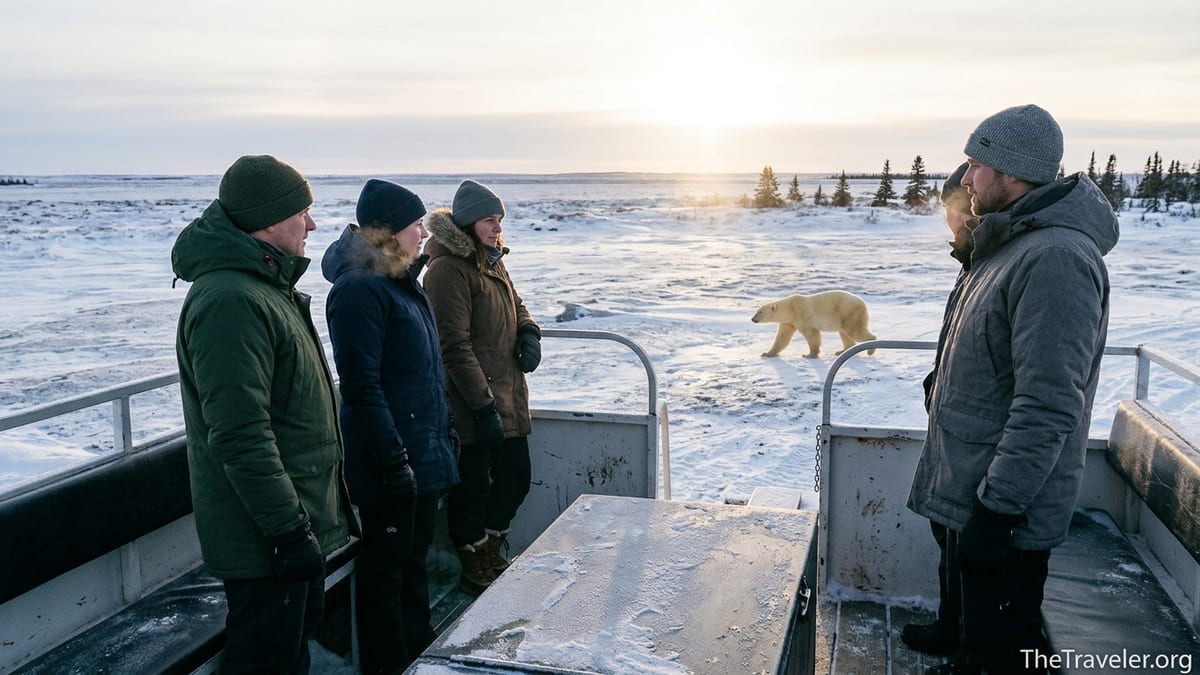
Looking at actual trips is the clearest way to understand how Natural Habitat Adventures prices its adventures. One of its flagship itineraries is Canada’s Premier Polar Bear Adventure, a seven-day small-group trip to see polar bears on the tundra around Churchill, Manitoba. Current published rates start at roughly 8,500 US dollars per person, plus flights to and from the gateway city and internal air arrangements. That price includes guided excursions in custom tundra vehicles, accommodation, many meals, and expert naturalist leadership in a remote, high-cost region.
On the same destination, Natural Habitat Adventures also offers a Tundra Lodge program that bases guests on a custom rolling lodge placed directly in areas of high bear density. This six-day itinerary starts above 14,000 US dollars per person, reflecting both the exclusivity of the mobile lodge and the logistical complexity of operating comfortable, low-impact accommodation on the subarctic tundra. Similarly, a week-long polar bear and helicopter safari that combines rover excursions with aerial surveying of the tundra is priced above 11,000 US dollars per person, again before international flights.
Even in lower-latitude destinations, Natural Habitat Adventures prices tend to be solidly premium. A seven-day wildlife-focused tour that combines Yellowstone and Grand Teton national parks, for example, is listed from around 7,900 US dollars per person for a spring-to-autumn season itinerary. That rate covers guiding by specialist naturalists, small group sizes, park transportation, and a curated selection of lodges or inns positioned for wildlife viewing rather than just lowest nightly rate.
These numbers make it clear that a Natural Habitat Adventures departure is usually a once-in-a-while, big-ticket experience rather than an every-year holiday. For many travelers, that is precisely the point: they are willing to pay a higher price for a concentrated, bucket-list wildlife encounter delivered with a strong conservation ethos and a high level of logistical support.
How Natural Habitat Adventures Compares With Value-Focused Group Operators
To see where Natural Habitat Adventures sits on the spectrum, it helps to compare it with large, value-oriented adventure brands that also specialize in small-group travel. G Adventures, for instance, sells hundreds of itineraries worldwide and is known for keeping prices down by using simpler hotels, public transport, and more free time for independent meals. Trips in regions such as Central America or Southeast Asia can sometimes average well under 200 US dollars per day, depending on style and inclusions.
Even when G Adventures or Intrepid Travel operate in higher-cost regions, their per-day rate tends to be considerably lower than Natural Habitat Adventures. A multi-day polar or Arctic itinerary with a value-focused operator might cost in the low thousands of dollars, in part because those trips often use shared accommodations, larger group sizes, or ships and lodges that spread costs across more travelers. An overland safari in southern Africa run by a value operator might run in the 4,000 to 6,000 US dollars range for 10 to 14 days, while a wildlife-focused, small-group safari with Natural Habitat Adventures is more likely to start in the high thousands for a shorter period, reflecting different lodging and guiding standards.
Traveler discussions in online forums commonly note that companies such as G Adventures and Intrepid Travel can often deliver a basic adventure at about one half to two thirds of what a more premium, nature-focused operator might charge for a similar-length itinerary. Part of that difference comes from inclusions: lower-priced trips frequently leave many meals, activities, and tipping to be arranged and paid locally, while higher-end companies fold more of these costs into an upfront, largely all-inclusive fare.
For a traveler primarily concerned with keeping overall costs down and comfortable handling some logistics independently, the price gap between Natural Habitat Adventures and a value-focused operator can be significant. However, travelers who prioritize in-depth wildlife interpretation, higher-end accommodation, and a near fully inclusive package often find that the lower apparent cost of value brands narrows once daily meals, optional excursions, and transfers are added back in.
Comparisons With High-End and Specialist Adventure Brands
At the other end of the spectrum, it is useful to compare Natural Habitat Adventures with operators that cater to travelers who expect luxury-level comfort from start to finish. Abercrombie & Kent, for example, is known for highly customized, upscale safaris and journeys that frequently rely on five-star hotels, private vehicles, and bespoke guiding. Backroads emphasizes active travel such as cycling and hiking while still leaning toward stylish lodging and fine dining, particularly in destinations like Tuscany or the Napa Valley. MT Sobek focuses heavily on challenging treks and expeditions, often with an emphasis on seasoned guides and remote routes.
On a route like an East African safari, a high-end tailor-made trip with a luxury-focused operator might range from 1,000 to well over 2,000 US dollars per person per night in peak season if top-tier lodges and private vehicles are included. In this segment, Natural Habitat Adventures can look relatively competitive, as many of its wildlife trips offer comfortable but not ultra-luxury accommodations, with an overall per-day price that is high yet often below the rarefied rates of fully bespoke safaris.
In areas such as Antarctica and the polar regions, Natural Habitat Adventures works within a broader ecosystem that includes expedition cruise lines and ship-based operators. A berth on an Antarctic expedition ship with a mainstream brand might begin in the 7,000 to 10,000 US dollars range for a basic cabin on a 10-day voyage, while truly luxury ships can run far higher. Natural Habitat Adventures’ polar offerings, especially land-based ones in places like Churchill, are often priced between mass-market expedition products and the most exclusive, small-vessel luxury cruises, reflecting their distinctive access and intensive guiding rather than silver-service amenities.
The upshot is that when compared with brands that focus unapologetically on luxury, Natural Habitat Adventures typically comes across as expensive but not extreme: its pricing reflects premium wildlife access, interpretation, and sustainability practices rather than crystal chandeliers or butler service. Travelers who value the former over the latter may find Natural Habitat Adventures a stronger value than the raw numbers alone suggest.
What You Are Paying For: Inclusions, Group Size, and Conservation
Sticker shock is common when travelers first see five-figure price tags attached to weeklong wildlife trips. Understanding what is included in a Natural Habitat Adventures rate is crucial for assessing relative value. In remote destinations, the company usually bundles internal flights or charters, specialized vehicles, park permits, guiding, accommodation, most or all meals, and a range of activities into a single, upfront fare. Once on the ground, there may be few required additional expenses beyond tips or personal purchases.
Small group size is another major cost driver. Many Natural Habitat Adventures departures run with fewer than a dozen participants, and some highly specialized programs accept only a handful of guests. Operating a charter flight or dedicating a full-time expert guide to a small group substantially raises per-person cost compared with filling a large coach or a ship with dozens of travelers. Safety standards and contingency planning in remote, harsh environments such as Arctic tundra also add to behind-the-scenes expenses.
Conservation commitments are a further factor in pricing. Natural Habitat Adventures has promoted itself as a leader in sustainable travel, including operating as a carbon-neutral company and designing trips in consultation with conservation organizations in key habitats. While the exact proportion of each trip fee that goes to conservation initiatives is not always broken out line by line, maintaining these programs, offsetting emissions, and supporting local conservation partners all carry costs that value-focused operators may not shoulder to the same degree.
Lastly, the guiding and educational component is part of the premium. Many Natural Habitat Adventures trips feature specialist naturalists, photographers, or scientists who accompany the group, offering lectures, field interpretation, and one-on-one assistance. That level of expertise can be markedly different from a standard tour leader model and is one of the main reasons wildlife enthusiasts are willing to pay more.
How to Compare Prices Fairly Across Adventure Companies
Comparing the cost of a Natural Habitat Adventures itinerary to other brands is not as simple as matching the trip name and counting days. The first step is to look closely at inclusions. If one operator’s rate includes most meals, internal flights, and key guided excursions, while another lists a lower base price but leaves many expenses optional or on your own, the actual total cost once the trip is over may be closer than it initially appears. Travelers planning to budget carefully should request a detailed breakdown of inclusions for each option.
Next, consider group size and accommodation level. A 10-person wildlife photography trip that uses small lodges inside or adjacent to prime habitat will almost always cost more per day than a 24-person circuit that stays in standard hotels a short drive away. Some companies also offer tiered styles, from very basic to “comfort” or “premium,” and it is important to match like with like when comparing. A Natural Habitat Adventures departure should usually be measured against other companies’ upper mid-range or premium products rather than their most stripped-down backpacker itineraries.
Timing also matters. Many wildlife and polar trips are heavily seasonal, with high demand for a relatively short window. A Natural Habitat Adventures polar bear trip in peak bear-viewing season will inevitably cost more than a shoulder-season departure with another company, simply because airfares, local services, and permits are more expensive when availability is tight. Travelers with flexible dates may find softer pricing by avoiding the very busiest weeks.
Finally, evaluate non-monetary value: access, interpretation, and peace of mind. For some travelers, the chance to watch polar bears from a remote tundra lodge or to join an in-depth photo-focused safari with seasoned experts is worth a price premium, particularly if they are unlikely to return to that destination. For others, a simpler, lower-cost group trip with fewer inclusions but a more accessible price tag will be the right fit. The key is to be deliberate about which trade-offs matter most to you.
The Takeaway
Natural Habitat Adventures is, by most measures, an expensive way to travel. Its weeklong wildlife and polar itineraries often run into the high thousands or low tens of thousands of dollars per person, significantly more than many mainstream adventure tour companies and broadly in line with other premium, conservation-focused operators. That pricing reflects small groups, intensive naturalist guiding, remote-area logistics, and a strong emphasis on sustainability and conservation partnerships rather than overt luxury.
For travelers deciding whether the cost is justified, the most useful approach is to compare specific itineraries, destination by destination, against both value-oriented and high-end competitors while carefully accounting for inclusions, group size, and quality of access. When compared fairly, Natural Habitat Adventures tends to be pricier than value brands like G Adventures and Intrepid Travel, but competitive with or more affordable than fully bespoke luxury safari companies, particularly in wildlife-rich regions where access is tightly controlled.
Ultimately, whether Natural Habitat Adventures is “too expensive” comes down to your priorities and budget. If your goal is to experience a once-in-a-lifetime wildlife encounter in comfort, with robust logistical support and a strong conservation story, then its premium pricing can make sense as a concentrated investment in a single, extraordinary journey. If you are more focused on stretching your funds across multiple trips or are comfortable arranging your own logistics in exchange for lower costs, then a more economical adventure operator may serve you better.
FAQ
Q1. Is Natural Habitat Adventures more expensive than most adventure tour companies?
Yes, Natural Habitat Adventures generally sits in the premium price tier, with trip costs usually higher than value-focused brands but often comparable to other high-end wildlife and conservation-oriented operators.
Q2. Why are Natural Habitat Adventures polar bear trips so costly?
Polar bear trips involve remote access to subarctic regions, specialized tundra vehicles or lodges, internal flights, expert guiding, and short, high-demand seasons, all of which drive up per-person costs.
Q3. How does Natural Habitat Adventures pricing compare with G Adventures or Intrepid Travel?
In many destinations, Natural Habitat Adventures can cost roughly half again to twice as much per day as comparable-length itineraries with value-oriented brands, reflecting more inclusions, smaller groups, and higher-end lodge choices.
Q4. Are Natural Habitat Adventures trips all-inclusive?
They are typically close to all-inclusive within the destination, often covering accommodation, most meals, internal transport, guided activities, and park fees, though international flights, some beverages, and tips are usually extra.
Q5. Does paying more with Natural Habitat Adventures mean more luxury?
Not necessarily. The premium tends to buy better wildlife access, guiding, and logistics rather than ultra-luxury amenities. Lodging is usually comfortable and well located, but not always extravagantly upscale.
Q6. Is the conservation component a major reason for higher prices?
Conservation partnerships, carbon-neutral operations, and support for local initiatives do add costs, though these are bundled into overall pricing rather than itemized. Many travelers accept a higher fare in exchange for these commitments.
Q7. Can I find similar wildlife experiences for less money?
It is often possible to find lower-cost wildlife trips, especially with larger group sizes or simpler accommodations, but they may offer less in-depth guiding, fewer inclusions, or less exclusive access to prime viewing areas.
Q8. How should I compare a Natural Habitat Adventures quote with another company?
Match itineraries by destination and season, then look line by line at inclusions, group size, accommodation standard, internal transport, and optional extras to estimate the true total cost for each option.
Q9. Are Natural Habitat Adventures trips good value for solo travelers?
Solo travelers may face supplements, but those who value small groups, safety, and strong logistics in remote regions often find the higher upfront cost worthwhile compared with piecing together solo arrangements.
Q10. Who is most likely to feel Natural Habitat Adventures is worth the price?
Travelers planning a one-time, bucket-list wildlife journey who prioritize expert interpretation, conservation credentials, and a largely hassle-free experience are the ones most likely to judge the premium pricing as justified.