


More news on this day
Recent updates to the United States travel advisory for The Bahamas have prompted new questions for cruise passengers, as the popular Caribbean nation remains at a Level 2 “Exercise Increased Caution” rating while officials highlight crime and water-safety concerns around major ports of call such as Nassau and Freeport.
Get the latest news straight to your inbox!
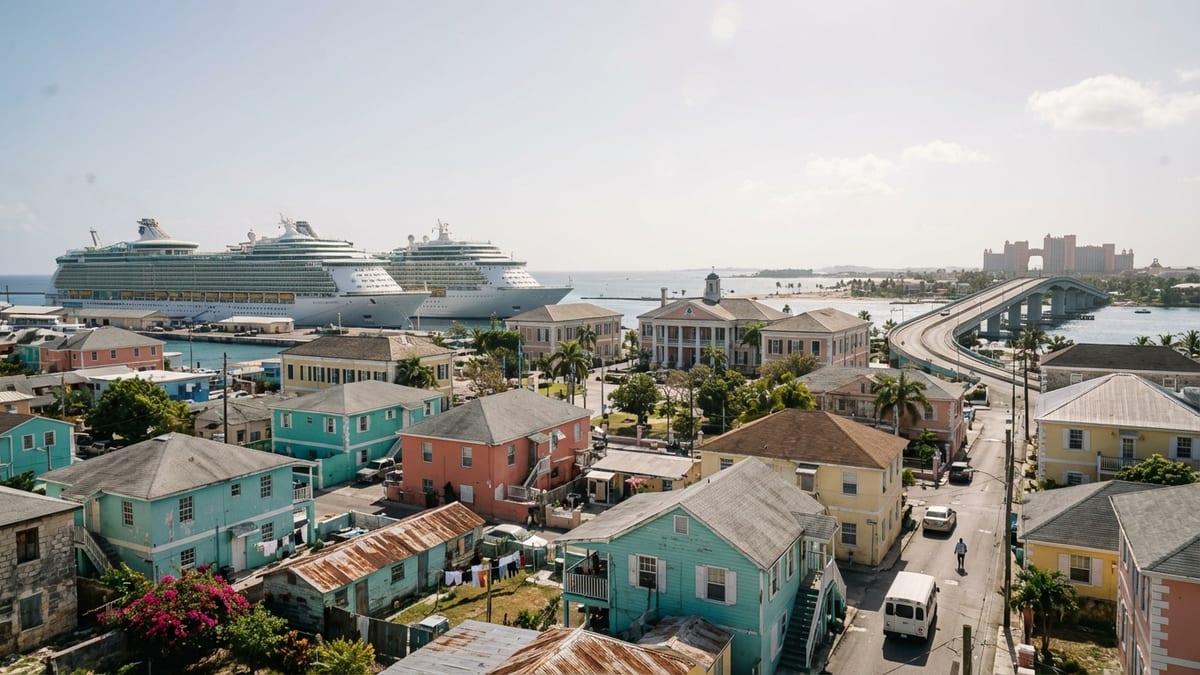
What Changed in the Latest Bahamas Advisory
The Bahamas continues to be listed at Level 2 on the United States four-tier travel advisory scale, a category that signals heightened risks but stops short of urging travelers to avoid the destination altogether. According to publicly available information from the U.S. State Department, the most recent advisory refresh, issued in 2025 and updated in 2026, keeps the overall level in place but refines language around crime patterns and specific safety issues for visitors.
The advisory cites incidents of violent crime, including armed robberies and gang-related violence, with many of the cases concentrated on New Providence Island, where Nassau is located, and on Grand Bahama, home to Freeport. Cruise visitors typically spend their shore time within or near these urban areas, even if they arrive at controlled port complexes.
The updated wording also highlights non-crime risks, including swimming-related hazards and concerns around independently operated water sports. These details build on a series of earlier security alerts that singled out jet ski rentals and unlicensed operators in and around Nassau and Paradise Island, signaling that certain activities, rather than the act of visiting itself, are drawing closer scrutiny.
While the overall risk category is similar to that of many other popular tourist destinations, the renewed emphasis on specific neighborhoods and activities is prompting cruise passengers and travel planners to reassess how they structure time ashore.
Implications for Cruise Itineraries and Port Calls
The Bahamas sits at the heart of the Caribbean cruise industry, appearing on three- and four-night sailings from Florida, longer Eastern Caribbean voyages, and private-island stopovers that use Nassau or Freeport as additional ports. Industry coverage in cruise and travel trade publications indicates that the Level 2 rating, on its own, has not led to large-scale cancellations of calls.
However, some lines have made quiet adjustments in response to security perceptions in the wider region. Trade reports and cruise forums describe itinerary changes in recent seasons that swap ports in higher-risk countries for stops in Nassau, reflecting a calculation that a Level 2 environment remains acceptable compared with destinations that carry a Level 3 “Reconsider Travel” warning.
Cruise companies typically rely on a combination of government advisories and their own security assessments when deciding whether to modify routes. While there is no broad indication of lines abandoning The Bahamas, itinerary planners are closely tracking developments in Nassau and Grand Bahama, particularly where gang-related violence and urban crime trends are concerned.
For travelers, this means that most existing Bahamas cruises are likely to operate as scheduled, but future seasons could see more nuanced changes such as shorter port times, a shift toward private-island calls paired with limited hours in Nassau, or a heavier emphasis on structured, vetted excursions instead of independent exploring.
How the Advisory Affects Shore Excursions
One of the clearest impacts of the updated advisory for cruise passengers appears in the guidance around water sports and independent operators. State Department information and subsequent security alerts underline concerns about jet ski and personal watercraft rentals from unaffiliated vendors on New Providence and Paradise Island, citing risks that include accidents and reports of assault.
These warnings are shaping the way cruise lines and their guests approach time at popular beaches near Nassau. Some lines already steer passengers toward ship-organized excursions that rely on contracted providers vetted for safety practices and licensing. Travel industry analyses suggest that the new language in the advisory could accelerate that trend, with more cruise guests opting for excursions purchased through the line rather than arranging last-minute activities on the pier or public beaches.
The advisory’s broader mention of crime around certain neighborhoods also has implications for do-it-yourself touring. Travelers choosing to explore Nassau or Freeport independently are being encouraged by public guidance and travel experts to remain in well-trafficked areas, be cautious after dark, and avoid carrying large amounts of cash or expensive jewelry. For many cruise passengers with limited time in port, that is likely to translate into sticking close to the cruise terminal, nearby shopping districts, or organized group outings.
In practice, the advisory does not prohibit common shore experiences such as visiting historic sites, strolling downtown, or booking boat excursions. Instead, it frames these activities within a context of increased vigilance, particularly for those venturing away from tourism corridors or using transport and services that have not been pre-screened.
Safety Considerations for Cruisers Heading to The Bahamas
For travelers who already have Bahamas cruises booked, the new advisory language can be unsettling, but it does not automatically mean altering plans. Travel coverage in major outlets notes that Level 2 advisories are common for destinations with large visitor numbers and urban centers where crime statistics are higher than in resort areas. The Bahamas falls squarely into that pattern, with millions of cruise passengers passing through Nassau and private islands each year.
Experts cited in consumer travel reports generally recommend that cruisers review official advisory details before departure and adjust their behavior rather than their entire itinerary. That can mean checking which neighborhoods are highlighted as problem areas, confirming that passports and identification are secure, and sharing daily plans with onboard companions or family.
Health and water-safety considerations are also part of the latest advisory language. Passengers are encouraged to pay attention to local beach flags and conditions, especially around strong currents or areas with limited lifeguard presence. For popular snorkeling or boating trips, using reputable operators with clear safety briefings, life jackets, and well-maintained equipment is emphasized across public guidance.
Travel insurance providers, meanwhile, are using the advisory updates to remind customers to verify what is covered in terms of medical care abroad and trip interruption. While a Level 2 rating does not usually trigger exclusions on its own, detailed policy language can vary, and recent advisories are prompting more travelers to read the fine print before sailing.
Planning Your Next Cruise in Light of the Advisory
For those still deciding whether to book a Bahamas cruise, the current advisory invites a more deliberate planning process rather than a simple yes-or-no decision. Prospective passengers are weighing the longstanding appeal of short sailings from Florida and year-round warm weather against the realities of crime in and around major ports.
Travel agents and cruise-focused publications suggest that one outcome may be a shift in demand toward itineraries that feature private Bahamian islands, where port areas are tightly controlled and access is limited to cruise guests and staff. These stops, often marketed for beaches, water parks, and cabanas, allow travelers to experience Bahamian waters with a more managed risk profile while still including a brief call in Nassau or skipping urban ports entirely.
Another likely trend is earlier and more detailed information-sharing from cruise lines about security expectations in port. Pre-cruise emails, app notifications, and onboard briefings are increasingly being used to reinforce basic steps such as staying with a group, using licensed taxis, and avoiding isolated areas. In the context of the renewed advisory, these messages may become more explicit, even as lines continue to market the islands as a marquee Caribbean destination.
Ultimately, the new Bahamas travel advisory positions the country as a destination where informed caution is warranted but travel remains possible for the vast majority of visitors. For cruise travelers, the headline change is less about ships skipping the islands and more about how time in port is managed, with a stronger preference for vetted excursions, heightened situational awareness, and a closer reading of official guidance before stepping off the gangway.