


eSIM apps have exploded in popularity, and aloSIM is one of the names that now appears in almost every conversation about staying connected abroad. Yet for many travelers, it is still not obvious when downloading another app and buying a separate data plan is truly worth the effort. This guide looks at real itineraries, sample prices, and concrete use cases to explain when aloSIM actually makes sense, and when you might be better off sticking with your home carrier or a local physical SIM.
Get the latest updates straight to your inbox!
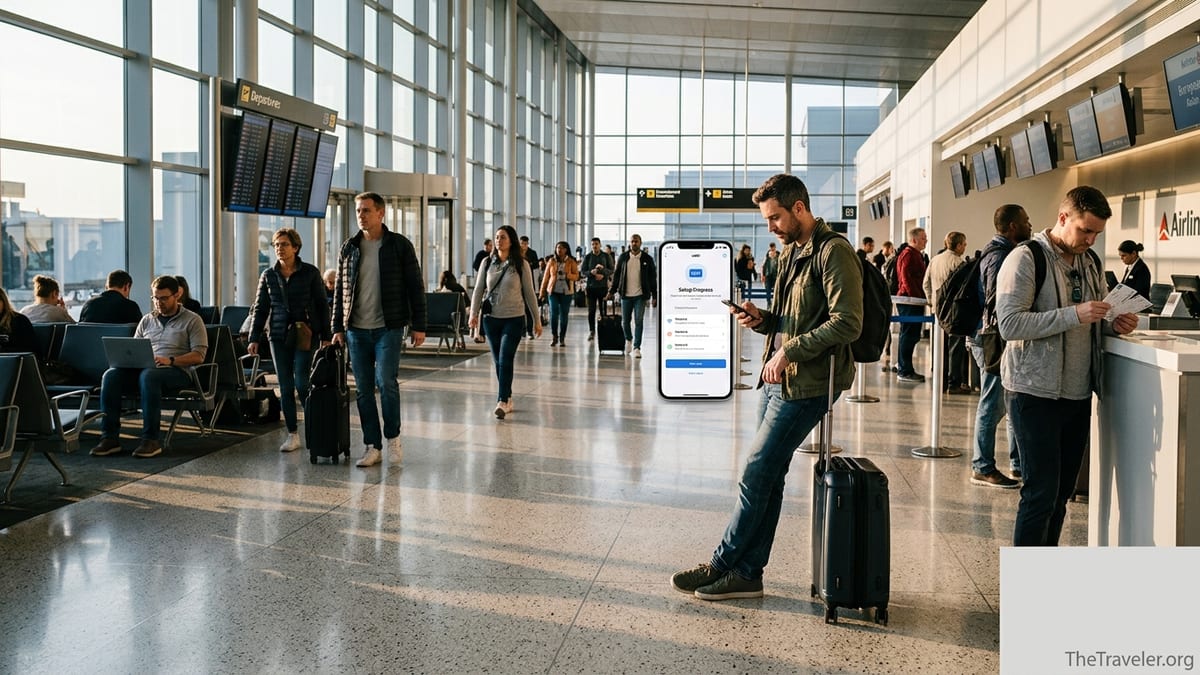
What aloSIM Is (and What It Is Not)
aloSIM is a travel eSIM service that lets you buy prepaid mobile data for more than 170 to 200 destinations, depending on how you count regions and countries served. In practical terms, that means you download the aloSIM app on an eSIM-compatible phone, purchase a data package for your destination, install the digital SIM, and then use mobile data abroad without touching your physical SIM card. You keep your regular phone number active for calls and texts, while aloSIM handles the data connection over local partner networks.
It is important to understand that aloSIM focuses on data only. You do not receive a traditional local phone number for calls and SMS through the eSIM itself. Instead, aloSIM has partnered with the Hushed app to offer a free international phone number with its data plans, which you can use for app-based calling or texting. That setup works well for app-centric travelers who live on WhatsApp, iMessage, Telegram, or Signal, but it is different from walking into a kiosk and buying a local SIM that comes with domestic minutes.
aloSIM’s plans are sold by country or region, and pricing varies widely by destination and data allowance. For example, in Europe you can buy regional bundles that cover around 35 countries, including popular destinations like France, Spain, Italy, and Germany, with data options ranging from about 1 GB up to 100 GB over various validity periods. In less data-hungry destinations or for shorter trips, small packages of a few gigabytes over a week can cost well under 20 US dollars, sometimes under 10 dollars, which is often cheaper than daily roaming from a US carrier.
Where aloSIM does not compete is in unlimited talk and text bundles or domestic-only prepaid plans. If your priority is lots of local voice minutes for calling restaurants, landlords, or job contacts for several months, a traditional local SIM from a carrier shop may still be a better fit. aloSIM shines in situations where flexible data at fair prices and the ability to keep your original phone number are the main priorities.
When aloSIM Clearly Beats Traditional Roaming
The most obvious win for aloSIM is against classic pay-per-day roaming from major US and Canadian carriers. Many American travelers still rely on roaming passes that cost roughly 10 US dollars per day in Europe or Asia, often with modest high-speed data caps. A two-week vacation in Italy and Spain can easily add up to 140 dollars in roaming fees for one person, not counting any extra charges for exceeding soft data limits.
Using aloSIM changes that math. A Europe-wide eSIM package that works in 35 countries can start from around 5 dollars for 1 GB valid for 7 days, with mid-range options such as roughly 20 dollars for 5 GB over 30 days or about 37 dollars for 10 GB over 30 days, depending on current offers. For a typical tourist who mostly uses maps, messaging, ride-hailing, and light social media, 5 to 10 GB is often enough for a two-week trip if hotel Wi-Fi is available at night. That means you might spend 20 to 40 dollars with aloSIM instead of well over 100 dollars with your home carrier.
Consider a concrete example. A couple from Chicago spends 10 days between Lisbon and Barcelona. Their US carrier offers a roaming pass at about 10 dollars per day, per line, for limited high-speed data. Together, they would pay roughly 200 dollars in roaming charges. With aloSIM, each traveler could buy a 5 GB Europe plan, roughly 20 dollars per person, and rely on hotel and cafe Wi-Fi when possible. The total cost for both comes to around 40 dollars. Even if one of them adds a small top-up mid-trip, they are still far below the roaming bill they would otherwise face.
Another scenario where aloSIM beats roaming is multi-country trips in regions where your carrier does not bundle roaming into your domestic plan. A digital nomad flying from New York to London, then onto Budapest and Athens over a month, would normally juggle multiple roaming zones or pay premium day passes. A single aloSIM Europe plan that covers all three destinations eliminates the need to track what each country costs with the home network and lets the traveler manage everything inside one app.
Multi-Country Trips Where aloSIM’s Regional Plans Shine
aloSIM is particularly attractive when your itinerary crosses borders several times in a short period. Its regional bundles in Europe, for example, cover dozens of countries and allow your phone to hop between partner networks as you move, without your needing to swap physical SIM cards at each arrival. That convenience is hard to beat if you are riding trains between Paris, Brussels, and Amsterdam over one long weekend.
Consider a backpacker traveling across Central and Eastern Europe over four weeks, hitting Prague, Krakow, Budapest, and Dubrovnik. Buying physical SIMs in each country would involve at least four separate store visits, plus time spent showing passport ID, learning different activation menus, and tracking multiple balances. With aloSIM, the backpacker can install a single Europe or Eastern Europe eSIM before leaving home, choose a higher-capacity plan such as 20 or 50 GB for the whole month, and simply switch mobile data to the aloSIM line every time they cross a border.
Regional plans are also valuable for group travel where not everyone lands at the same airport. Imagine three friends converging on Rome for a road trip through Italy, Slovenia, and Austria. One flies from New York, one from Toronto, and one from London. If each person installs aloSIM beforehand, all can arrive with data ready, share live locations in a group chat, and navigate to the rental car pickup company without hunting down airport SIM kiosks that may close at night. Because pricing is transparent inside the app, they can each pick a data allowance that suits their habits instead of all overpaying for a one-size-fits-all roaming bundle.
The same logic applies in Asia, where many travelers combine destinations such as Thailand, Vietnam, and Singapore in a single trip. While aloSIM’s region coverage and prices vary country by country, its model of one installation and many borders is much more convenient than juggling a stack of local SIM cards, especially if you are regularly moving by overland buses or budget airlines.
Short City Breaks and Business Trips Where Convenience Matters Most
Not every traveler wants to optimize every dollar. For a three-day work trip to London or a quick four-night city break in Tokyo, convenience can matter more than absolute lowest cost. aloSIM is designed for this kind of traveler. Because you can install and configure the eSIM at home, you can land, switch data roaming to the aloSIM profile, and be online while still taxiing to the gate.
Take a consultant from Boston who flies to Frankfurt for a two-day series of meetings. They need reliable email, maps from the airport to the hotel, ride-hailing, food delivery, and occasional tethering for a laptop. Their time on the ground is limited, and they arrive late in the evening when airport stores may already be closed. Buying a local SIM for such a short visit is rarely worth the effort. With aloSIM, they can buy a small Germany or Europe data bundle in advance, spend a few minutes following the step-by-step installation instructions, and then focus on their work once they land.
Weekend city breaks work much the same way. A couple from Toronto flying to Paris for four days might not want to spend their first hour in the city lining up at a mobile counter, especially if they are arriving at Charles de Gaulle early on a Sunday when staffing is thin. Installing aloSIM on both of their phones before departure means they can message their Airbnb host from the airport, order a rideshare into the city, and start their trip smoothly. The actual cost for a very short stay using a small data bundle is often comparable to, or slightly cheaper than, their domestic carrier’s roaming, but the main advantage is that everything is set up before they even arrive.
Business travelers also benefit from avoiding SIM swaps. Many corporate devices have strict mobile device management policies, and removing the corporate SIM or inserting another card can cause IT headaches. With aloSIM, the physical SIM remains in place, the work number continues to function, and only the data connection is offloaded to the eSIM when abroad. That arrangement is particularly useful if you need to receive verification codes or authentication calls to your main number while traveling.
Digital Nomads, Long Stays, and How aloSIM Fits Into the Mix
For digital nomads and long-stay travelers, aloSIM can be part of a broader connectivity strategy rather than the only tool. If you plan to live in one country for several months, a monthly local SIM from a domestic carrier will usually be cheaper on a per-gigabyte basis, especially in markets like Turkey, Thailand, or Mexico where local data is heavily discounted. However, aloSIM covers an important gap before and between those long-term setups.
Imagine a remote worker who spends March in Lisbon, April in Prague, and May in Athens. In each city they intend to purchase a local prepaid SIM for heavy daily use. But they still need reliable data on travel days, during transits, and in border regions where their old SIM may stop working before they acquire the new one. In that case, a modest aloSIM regional plan covering all three countries gives them a safety net. They might rely mostly on local SIMs at their base, but when a flight is delayed overnight in another country or a bus crosses an unexpected roaming boundary, aloSIM’s eSIM profile can be switched on to restore connectivity instantly.
aloSIM also helps digital nomads during scouting or visa runs. A freelancer deciding whether to relocate to Valencia or Budapest for six months may spend a week visiting each city. Using a single regional aloSIM plan during that exploratory period avoids buying and discarding multiple local SIMs that might only be used for a handful of days. Once they settle on a base, they can transition to a domestic plan and keep aloSIM on the device as a backup for future trips elsewhere.
One more advantage for longer-term travelers is the ability to buy credit in advance during promotions and use it over time. While offers change, travelers have reported buying aloSIM credit during seasonal sales and then drawing on that balance for several months’ worth of regional plans. For nomads who plan their year around several continents, that kind of pre-purchased flexibility can be useful, provided they pay attention to any expiry dates on credits.
When aloSIM Makes Less Sense (and What To Do Instead)
Even loyal eSIM users will admit that aloSIM is not the best answer every single time. Understanding its limits is key to using it wisely. The first major exception is destinations where your home carrier already includes generous roaming in your plan. Some US and European providers now offer free or very cheap roaming in select countries, especially within the European Union. If you have a plan that gives you several gigabytes of data per month usable across the EU without surcharges, adding an aloSIM plan on top may not save money.
Another case where aloSIM is less compelling is extended stays in a single country where local data is extremely cheap. For instance, spending three months teaching English in Vietnam or learning Spanish in Colombia often justifies buying a domestic prepaid SIM from a major carrier or even a longer-term plan with a resident ID. These packages can include large data allowances plus local calling at a fraction of the cost of stacking multiple eSIM plans over so many weeks. In such situations, aloSIM can still be helpful during the first day or two before you have time to visit a carrier shop, but it probably should not be your main solution.
aloSIM may also feel less attractive to travelers who need traditional voice minutes on a local number. While the free Hushed number included with many aloSIM packages can handle app-based calls and texts, some services, landlords, or small guesthouses still prefer or require a local mobile number registered in the country. If you plan to make frequent domestic calls to book tables, arrange apartment viewings, or receive calls from local courier companies, a physical SIM that includes calling and SMS can be simpler.
Finally, a small percentage of travelers report inconsistent experiences with any eSIM provider, including aloSIM, usually tied to local network quality or device configuration. In rural regions, mountain areas, or islands with limited coverage, even a well-priced eSIM will not magically fix weak signal. In those environments, travelers may get more reliable service by asking locals which specific carrier has the best coverage and buying a SIM from that network directly. aloSIM relies on existing local partners, so if the underlying network is poor, performance will be limited regardless of how you purchase access.
How aloSIM Compares to Other eSIM Apps in Real Life
aloSIM sits in a crowded field of eSIM providers that includes names like Airalo, Nomad, and several regional specialists. For most mainstream destinations, the main differences come down to pricing, regional coverage, app design, and occasional promotions. In practice, many frequent travelers keep two or three eSIM apps installed and switch between them depending on which offers the best deal for a particular trip.
In Europe, technology publications have noted that aloSIM is especially competitive on sub-regional plans, such as bundles that cover only Eastern Europe or only Western Europe. Those plans can undercut some rivals on price while still providing coverage across multiple neighboring countries. For example, a traveler focused on Central and Eastern Europe might find that aloSIM offers attractive per-gigabyte rates for an 11-country bundle, whereas another provider might only sell a full Europe plan at a higher price point that includes countries they will never visit.
Outside Europe, pricing can favor different providers depending on the destination. Some travelers report better deals for individual countries in Southeast Asia or South America on rival apps, while turning to aloSIM for broad regional coverage or when they want the included Hushed number for app-based calling. Because installation of multiple eSIMs on a single device is possible on most recent phones, a pragmatic approach is to compare prices and coverage in each region before committing. The fact that aloSIM’s app is known for being straightforward and its support is available around the clock can tip the balance for travelers who value quick human help if something does not work on the first try.
One area where aloSIM stands out is how quickly you can get started. Many users install the eSIM profile in under two minutes using either a QR code or in-app installation option, then simply toggle which SIM handles data. For a traveler stuck in a transit lounge with spotty Wi-Fi, the ability to purchase, install, and activate a plan in just a few taps can be the difference between getting a rideshare from the airport smoothly and scrambling to find a cash machine and kiosk on arrival.
The Takeaway
aloSIM makes the most sense for travelers who value predictable data costs, quick setup, and the ability to keep using their regular phone number while abroad. It shines on multi-country itineraries, short business trips, city breaks where time is limited, and as a bridge or backup for digital nomads moving frequently between countries. Its regional Europe plans in particular can be significantly cheaper than daily roaming offered by many North American carriers, especially for trips longer than a few days.
It is less compelling for long stays in a single country with very cheap local data, for travelers who already enjoy inclusive roaming through their domestic plan, or for people who need substantial local voice minutes tied to a domestic number. In those cases, a local SIM or your existing provider may remain the better option. Used selectively, though, aloSIM can be a powerful tool in your travel kit, saving you money on roaming and reducing the stress of staying connected as you cross borders and time zones.
The smartest approach is to treat aloSIM as one option among several. Before each trip, compare your home carrier’s roaming offer, local SIM prices at your destination, and aloSIM’s current plans for that region. Factor in your actual data needs, the number of countries you will visit, and how much you value convenience over absolute lowest cost. When those pieces line up, aloSIM is an easy win that lets you spend less time worrying about your phone bill and more time enjoying the journey.
FAQ
Q1. What kinds of trips are best suited to aloSIM?
aloSIM is ideal for short city breaks, business trips, and multi-country vacations where you want affordable data without hunting for local SIM cards in every destination.
Q2. Does aloSIM give me a local phone number?
aloSIM’s eSIM plans provide data only, but many plans now include access to a free international number through the Hushed app for app-based calling and texting.
Q3. How much can I realistically save compared with traditional roaming?
Savings vary, but on a 10-day Europe trip many travelers pay 20 to 40 US dollars with aloSIM instead of 100 dollars or more in daily roaming fees from their home carrier.
Q4. Will aloSIM work on my phone?
You need an unlocked, eSIM-compatible device, typically most iPhones from 2019 onward and many recent Android models. It is always wise to confirm compatibility before buying a plan.
Q5. Is aloSIM better than buying a local SIM card?
For long stays in a single country, a local SIM can be cheaper. For shorter or multi-country trips where convenience matters, aloSIM’s quick setup and regional coverage are often more practical.
Q6. Can I keep using my regular number while aloSIM handles data?
Yes. Your physical SIM stays in the phone, so you can receive calls and texts on your regular number while using aloSIM solely for mobile data.
Q7. What happens if I run out of data on aloSIM during my trip?
If you use your allowance faster than expected, you can usually buy an additional package in the app and have extra data active within a few minutes, as long as you still have a signal.
Q8. Is aloSIM reliable for remote or rural areas?
aloSIM’s performance depends on its local network partners. In cities and popular tourist regions it tends to work well, but in remote areas coverage can be limited just as it is for local SIMs.
Q9. How early should I install my aloSIM eSIM before traveling?
Many travelers install the eSIM at home a day or two before departure, then activate the data plan when they land, so everything is configured and ready once they arrive.
Q10. Can I use aloSIM while also tethering my laptop?
Yes, provided your package includes enough data and your phone allows hotspot use. Light laptop tasks like email and browsing are usually fine, but heavy video streaming can burn through data quickly.