


More news on this day
Frontier Airlines is preparing a rare pivot for an ultra-low-cost carrier, rolling out first class seats and refreshed perks in a bid to become an airline travelers actively choose, rather than tolerate for the cheapest fare.
Get the latest news straight to your inbox!
A Budget Carrier Experiments With First Class
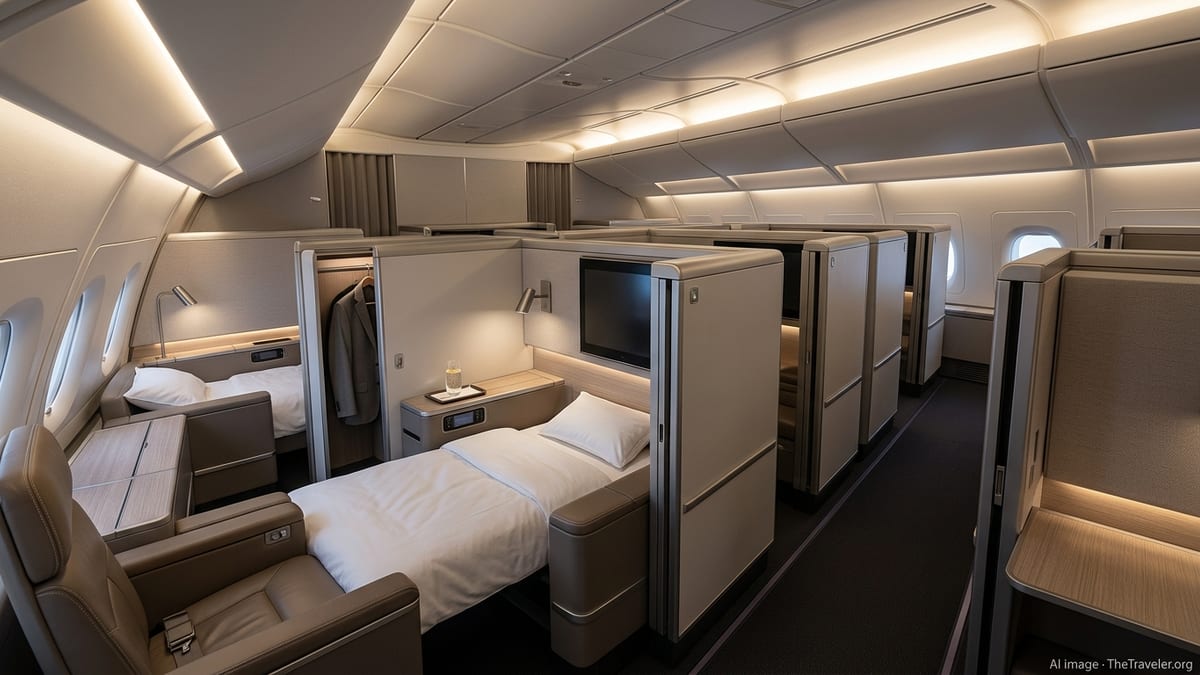
Frontier Airlines has built its business on bare-bones pricing, unbundled fees and dense seating. Now the Denver-based carrier is moving into unfamiliar territory, planning to introduce a true first class hard product across its Airbus fleet beginning in 2026, according to investor presentations and corporate filings. The move would place Frontier among the few ultra-low-cost airlines globally offering a premium cabin at the front of the aircraft.
Company materials describe the coming product as a dedicated first class section with larger, more spacious seats supplied by Italian manufacturer Geven, separate from the airline’s existing extra-legroom options near the front of the cabin. The rollout is expected to take place across multiple aircraft types, with a multiyear retrofit that will gradually make the new seats available on more routes.
Frontier already sells an “UpFront Plus” option that guarantees an empty middle seat and additional legroom in the first rows of the cabin, but this is classified as a seating upgrade rather than a separate cabin. The planned first class product marks a clearer break from the traditional ultra-low-cost model by giving customers a visibly differentiated front-cabin experience, closer to what they see on major U.S. network airlines.
The strategy comes as competition tightens on domestic leisure routes and as travelers, accustomed to pandemic-era flexibility and comfort upgrades, weigh more than just the lowest base fare. Frontier’s leadership has framed the changes as part of a “next chapter” designed to reposition the airline as a value carrier rather than a carrier of last resort.
Perks, Loyalty Tweaks and the Quest to Be “Chosen”
Alongside the new seats, Frontier has been reshaping its bundle offers and loyalty program to appeal to customers willing to pay modestly more for convenience. Publicly available information shows that itinerary changes and cancellations, priority boarding and seat selection are increasingly packaged into bundles and elite tiers, a shift from the earlier model where nearly every extra carried an isolated fee.
The airline’s Frontier Miles program has been revised to emphasize elite status benefits such as free seat assignments, reduced or waived change fees when altering trips in advance, and priority customer care for higher-tier members. Some pass products have also been tied to status upgrades, signaling an effort to give repeat customers a clearer sense of recognition beyond pure price savings.
At the same time, Frontier continues to rely heavily on its co-branded credit card and subscription-style add-ons, including membership clubs and bundled travel options. The result is a layered ecosystem in which a traveler can start with a very low advertised fare, then selectively add comfort, flexibility and rewards. The introduction of first class is positioned as the top rung on that value ladder, offering the most space and priority at a still-discounted price point compared with legacy carriers’ premium cabins.
Whether that matrix of perks makes Frontier a deliberate choice depends on how travelers perceive the trade-offs. Industry analysts note that many leisure passengers now weigh schedule, basic comfort and disruption handling alongside ticket price, particularly after repeated irregular-operations events across U.S. airlines in recent years.
GoWild Passes and the Volume-Over-Margin Experiment
Any transformation at Frontier is unfolding while the airline doubles down on its most unconventional product: the GoWild all-you-can-fly passes. Since their introduction, these passes have offered unlimited travel over defined periods for a flat membership fee and a base fare of just a few cents per flight, plus taxes and ancillary charges. Recent iterations include seasonal passes, annual passes spanning more than a year of travel, and special promotional pricing aimed at boosting enrollment.
Promotional materials for the 2026 GoWild Summer Pass, launched in April 2026, described more than five months of unlimited domestic flights at an introductory price that undercuts typical round-trip leisure fares on many routes. Frontier has also marketed a 2026–2027 annual pass with a discounted early-access sale price, encouraging customers to lock in long-term travel with the carrier.
The passes are tightly structured. Public terms show that pass holders generally can only confirm most domestic flights the day before departure and must still pay taxes, fees and add-ons such as bags and seat assignments. Blackout dates and capacity controls further limit when and how often pass travel is available. Customer discussion in public forums indicates that availability and renewal practices remain points of contention, especially as more travelers compete for a finite pool of pass-eligible seats.
For Frontier, though, the GoWild program serves at least two purposes: filling empty seats that might otherwise fly with no revenue and locking in customer loyalty months or years in advance. As first class and other paid upgrades arrive, the airline will be testing whether those same customers, drawn in by the pass, can be persuaded to climb the revenue ladder with occasional paid extras.
Fleet, Routes and the Spirit of Competition
Frontier’s push to become an airline of choice is unfolding against a shifting competitive backdrop, particularly among lower-cost U.S. carriers. In July 2026, the airline began operating eight routes that had previously been flown by Spirit Airlines, part of a broader realignment following Spirit’s financial challenges and network retrenchment. Introductory fares on some of those routes have been advertised at levels intended to reinforce Frontier’s branding as “America’s Low Fare Airline.”
At the same time, Frontier has been growing a relatively young Airbus A320-family fleet that allows for dense seating while promising lower fuel burn per seat. The coming first class installations will need to fit within that cost-focused framework. Any additional square footage given to premium seats at the front of the cabin reduces the number of standard seats selling at ultra-low base fares, a delicate balance for a carrier whose economics depend on high load factors.
Network changes also shape how meaningful first class will feel to travelers. Many of Frontier’s routes are point-to-point leisure services operated a few times a week, often to secondary airports with lower fees. For a premium product to resonate, it must align with the schedules and destinations that attract passengers willing to pay extra for comfort, whether that is a business traveler on a high-frequency route or a family splurging on holiday travel.
The airline’s stated environmental positioning as one of the most fuel-efficient U.S. carriers adds another dimension. If higher-yield first class passengers offset the revenue lost by removing a handful of economy seats, Frontier could potentially maintain low average fares elsewhere in the cabin while still meeting its financial targets.
Will Travelers Buy Frontier’s Upgrade Story?
The central question for Frontier is whether its evolving product mix can overcome entrenched perceptions of ultra-low-cost carriers. Many travelers associate the brand with strict fee structures, minimal legroom and limited customer support during irregular operations. While first class seating, improved bundles and an expanded loyalty proposition add appeal on paper, they do not by themselves erase concerns about delays, cancellations or tight connections.
Frontier’s attempt to reposition itself echoes similar efforts by carriers that moved up the value chain after building a base on low fares. Success typically hinges on execution: consistent delivery of the promised product, transparent pricing and clear communication when things go wrong. Frequent-flyer forums and social media commentary suggest that some customers remain skeptical, particularly around the fine print of GoWild passes and the timeline for first class availability on specific routes.
As of mid-2026, the airline’s promised first class product is still in the early stages of deployment, with public materials pointing to a gradual introduction rather than an overnight transformation. That means many customers booking today will still experience the familiar ultra-low-cost model, even as marketing campaigns highlight a more premium future.
For travelers, the coming years will reveal whether Frontier’s first class seats and new perks represent a meaningful shift or a limited overlay on the same cost-focused foundation. For Frontier, the stakes are higher: convincing passengers that, even with a slightly higher fare, the airline is worth choosing on purpose, not just when it is the cheapest option on the screen.