


For many travelers, the ticket decision comes down to a familiar dilemma: lock in seats on Ticketmaster months before a trip, or wait until arrival and hope to score better prices at the box office or from local resellers. The answer depends less on ideology about fees and more on the specific event, destination, and your tolerance for risk. Understanding when advance online purchase is the safer move can mean the difference between seeing a dream show and standing outside listening through the walls.
Get the latest updates straight to your inbox!
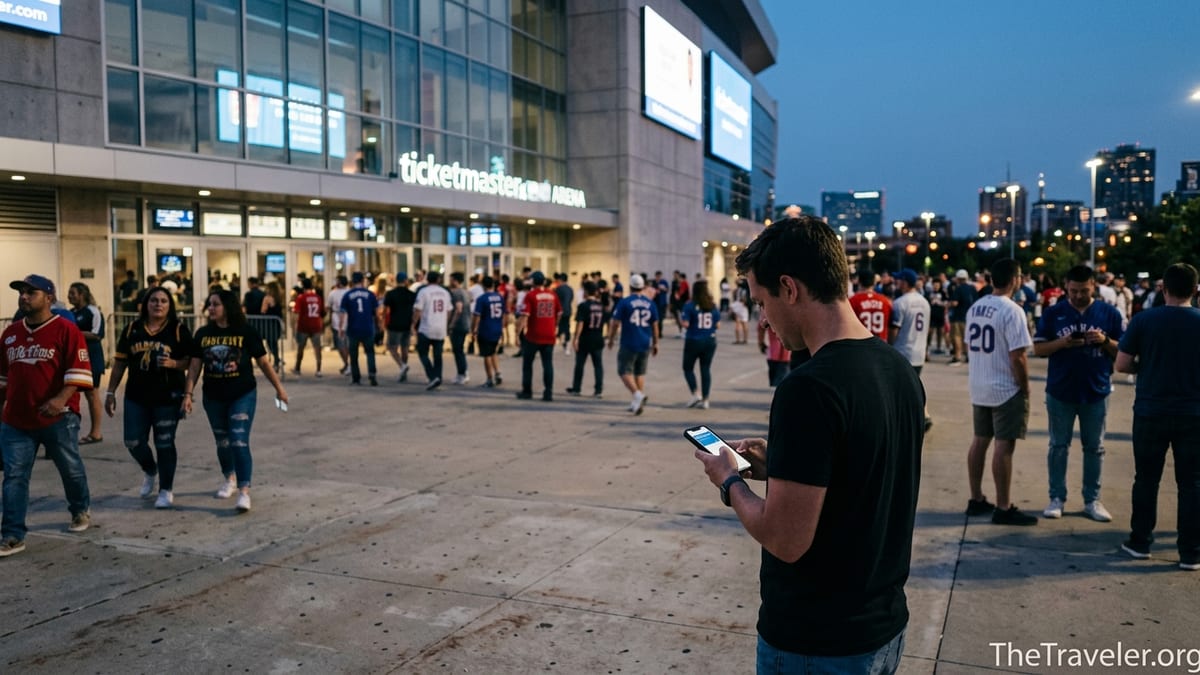
Why Ticketmaster Often Makes Sense For High-Demand Events
For blockbuster concerts, major sports, and marquee theater productions, waiting to buy tickets on arrival is increasingly unrealistic. Tours from global stars such as Taylor Swift, Beyoncé, or Bad Bunny have shown how quickly primary inventory can disappear and how aggressively prices can spike on the secondary market. For Swift’s Eras Tour and various top-tier arena acts, initial Ticketmaster onsales in North America have routinely sold out in minutes or hours, leaving only verified resale listings at several times face value by the time casual travelers land in town.
That pattern repeats across big-ticket events. For a Sunday NFL game in cities like Kansas City or Philadelphia, lower-bowl seats that might open at a few hundred dollars can jump to far higher resale prices as the schedule firms up and visiting fans lock in travel. If you are building an autumn trip around seeing the Kansas City Chiefs at home, purchasing your Ticketmaster seats when the schedule is released gives you certainty and typically keeps you in the standard or officially capped price ranges, rather than the volatile late-stage resale market near game day.
In practical terms, buying early through Ticketmaster is usually the only realistic way to secure specific sections or premium seating categories. For example, floor or lower-bowl seats for an arena show at Madison Square Garden or Crypto.com Arena, or prime midfield seats for a Premier League pre-season tour match in the United States, are rarely still available at the physical box office a day or two before the event. By the time you arrive, those tickets are either gone or trading at a markup through third parties that may not offer the same protections as Ticketmaster’s verified systems.
For travelers with set dates and a must-see event, the combination of high demand, limited supply, and aggressive global resale activity makes waiting to buy on arrival a serious gamble. In these cases, committing to Ticketmaster in advance is less about saving money and more about guaranteeing that your trip’s centerpiece actually happens.
Dynamic Pricing, Fees, and the Real Cost of Waiting
Many travelers hope that waiting until arrival will mean cheaper tickets, particularly if they have heard complaints about Ticketmaster’s service fees or dynamic pricing. In reality, for in-demand events, the opposite is more common. Ticketmaster and event organizers increasingly use dynamic pricing tools that adjust prices based on demand, similar to airlines and hotels. As onsales progress and an event heats up, prices can rise significantly from the initial face values, especially in the strongest sections.
In practical terms, that means a seat that appeared at around one price during the first few hours of presale can be considerably higher if you return days or weeks later, even before resale inventory comes into play. For instances such as major reunion tours or limited-run arena shows, fans have reported base prices climbing well beyond original expectations as demand surged. While the exact numbers vary by event and market, the pattern is clear: waiting can expose you to higher dynamic prices on the primary market plus potentially steeper fees on late-purchased tickets.
Once an event is fully sold out in standard categories, the economics get tougher. On Ticketmaster’s own fan-to-fan resale systems, sellers often list at a premium to recover what they paid under dynamic pricing, and overall buyer costs can fluctuate as both base prices and fees adjust over time. By the time a traveler arrives at the destination city, they may be looking at a patchwork of high-priced resale listings that reflect weeks or months of escalating demand.
Against that backdrop, the perceived savings of waiting for a walk-up box office purchase often vanish. Many large venues allocate only a small number of tickets for same-day sale, and those can be in less desirable sections. The combined effect of dynamic pricing, limited day-of inventory, and intense secondary market activity means that locking in tickets earlier through Ticketmaster often protects you from the worst price spikes instead of exposing you to them.
Verified Tickets, Transfers, and Protection Against Scams
Another reason buying through Ticketmaster before arrival can be smarter than waiting is security. As high-demand tours and playoff games have become global travel magnets, so have scams. Travelers arriving in a new city may encounter unofficial street sellers, classified ads, or social media offers with attractive prices but no guarantee the tickets will scan at the gate. If you have built a trip around one night at a marquee event, discovering your ticket is invalid at the turnstile is more than an inconvenience; it can sink the emotional centerpiece of the journey.
Ticketmaster’s standard and verified resale tickets are tied to barcodes and digital tokens that are controlled by the official event system. The platform’s Ticket Transfer and mobile-only formats are designed so that when a ticket is resold or transferred inside the ecosystem, the original barcode is typically invalidated and replaced, reducing the risk of duplicates or screenshots being passed around. For example, for many NFL games, major arena shows, and large festivals, access is only via digital tickets inside the Ticketmaster or team app, so the safest way to ensure validity is to purchase either primary or verified resale directly before you travel.
Buying ahead on Ticketmaster also helps when something changes. If an event is postponed or a show is moved to a different date, Ticketmaster’s policies usually outline how refunds or automatic transfers work. While details vary by promoter, travelers who bought through unofficial channels often have to chase individual sellers or third-party platforms, and may receive only marketplace credits rather than cash refunds. For a traveler who cannot easily return to the city for a rescheduled date, having a clear refund path from the primary ticketing company is crucial.
There is also a safety net element. Some Ticketmaster purchases for certain events in North America can be eligible for official exchanges or upgrades subject to availability and policies. While not universal, these options generally require that the original purchase was through Ticketmaster, not a third party. For an international visitor planning, say, a week in New York anchored by a Broadway-style show in a large theater that uses Ticketmaster, buying early through the platform can give you more options to adjust seats or dates if travel plans shift slightly.
When Box Office Purchases Might Still Beat Ticketmaster
Despite the advantages of buying ahead online for high-stakes events, there are situations where waiting and buying at the box office can be smarter, especially for flexible travelers seeking value more than certainty. Smaller theaters, community venues, some comedy clubs, and certain long-running productions occasionally keep service fees lower at their own windows than through third-party ticketing systems. In a city like New York, for instance, some Broadway and Off-Broadway productions that use Ticketmaster or similar platforms may still sell tickets at the theater box office without certain online convenience fees, which can translate into savings if you are purchasing several seats.
However, this strategy works best for shows that are not at the very top of the demand curve. For example, a Wednesday-night performance of a mid-run musical or a touring comedian in a mid-size venue may have same-week or same-day box office availability. If your travel style is loose and you are comfortable selecting from what is available once you arrive, buying in person can trim a portion of total ticket costs. In contrast, for tightly scheduled weekends, limited engagements, and star-driven runs that have been heavily promoted, relying on the box office is risky, as prime dates often sell out online weeks in advance.
Local box office purchasing is also more feasible in destinations where you have multiple nights and interchangeable entertainment options. A traveler spending two weeks in London or Chicago might be able to drop by box offices midweek to see what is available, choosing from several plays or concerts that fit into their schedule. But that approach becomes much less viable if you have a three-night stay and one very specific event in mind, such as a single home game for a baseball team or a once-per-tour appearance by a major artist.
For many international visitors, the practical question is not whether box office purchases ever beat Ticketmaster, but whether they do so reliably for the key event around which flights and hotels have been booked. When the answer is no, the case for early Ticketmaster purchase is strong.
Travel Itineraries That Almost Require Buying Ahead
Certain types of trips are built around events that function as rare, high-demand anchors. Sports-centric travel is a prime example. A family planning an October weekend in Boston to see the Red Sox in a critical series, or fans flying to Las Vegas for a single Golden Knights home game, are usually working with fixed dates that cannot be shifted easily. Playoff scenarios are even more compressed; by the time matchups are set and travel plans are confirmed, primary ticket inventory through Ticketmaster or its league-branded portals may be limited to higher-price tiers, with the rest in verified resale at market-driven prices.
The same logic applies to festival-based travel. Multi-day passes to large events like major U.S. festivals often sell through Ticketmaster or connected platforms in timed onsales and presales. Once those passes are gone, official resale or exchange systems become the only sanctioned way to get in without relying on third-party marketplaces. If you are planning a trip around such a festival, waiting to buy until arrival is rarely practical; camping passes, shuttle tickets, and add-ons linked to your main Ticketmaster order may also sell out long before gate opening.
City-break trips tied to theater or arena residencies also benefit from advance booking. When a star announces a short residency at a major venue in Las Vegas or London, tickets for prime weekend nights often disappear quickly in presales. Travelers hoping to tie a long weekend to one of those shows usually need to buy through Ticketmaster or the venue’s official ticketing partner months ahead of flights. Leaving it until check-in at the hotel rarely works for these limited runs.
In all of these cases, the essential question is whether missing the event would fundamentally change the value of the trip. If the honest answer is yes, then purchasing through Ticketmaster as early as possible, even with fees and dynamic pricing in mind, is usually the rational choice.
Using Ticketmaster Tools Strategically Before You Travel
If you decide that buying ahead on Ticketmaster is the right move, using its tools strategically can improve your experience and occasionally soften costs. For many large events, signing up for verified fan registration, presales through official fan clubs, or credit card partner presales can give you earlier access to a broader range of price tiers before dynamic pricing has pushed popular sections upward. Travelers who know they will be in a destination city during a particular month can watch presale announcements and set calendar reminders to be online at the start of the sale.
Seat maps and filters inside Ticketmaster allow you to compare entire sections, not just individual dots on a map. For a traveler unfamiliar with an arena or ballpark, spending time with the map before purchase can make a big difference. For example, upper-bowl corners at many NBA arenas may be significantly cheaper than mid-level sidelines yet still provide a good view, while certain lower-corner sections might carry a steep premium that is less obvious at first glance. Comparing these options with the help of venue diagrams and online fan discussions ahead of time can help you pick seats that balance price and experience before you commit.
Ticketmaster’s official resale tools can also work in your favor if plans are somewhat fluid but not fully locked down. For some events, you can list your tickets for resale through the same account if you later change your mind about attending, subject to event rules and price caps. While resale is not available for every show, and price limitations may apply, this at least offers an official path to recoup some costs if travel plans shift unexpectedly. Travelers who buy far in advance may find this especially useful for long-lead tours or sports schedules that could conflict with work or family commitments.
Finally, consider the total trip cost when evaluating tickets. For a once-in-a-decade event, the difference between securing seats at a moderately higher dynamic price and rolling the dice on finding cheaper tickets on arrival is often small relative to flights, hotels, and time off work. Framing Ticketmaster purchases within that bigger picture can clarify when paying the platform’s full, transparent cost up front is the more rational decision.
The Takeaway
Ticketmaster is far from universally beloved, and criticism of dynamic pricing and fees is unlikely to disappear. For travelers, though, the practical question is not whether the system is perfect, but whether buying through it before a trip is smarter than waiting. For high-demand events that anchor your itinerary, the answer is usually yes. Early purchase secures your spot, cushions you from extreme late-stage price spikes and many forms of fraud, and often provides clearer refund or exchange options if something changes.
Waiting until arrival can still work for flexible travelers targeting less in-demand shows, especially in cities with abundant entertainment choices and venues that keep meaningful same-day box office inventory. But as global tours, playoffs, and limited engagements increasingly sell out through online platforms long before opening night, relying on luck at the window becomes riskier with each passing season.
When planning your next trip, treat key event tickets like flights: book early through official channels when the experience is central to the journey, and reserve box office hunting for secondary plans you can easily swap out. Approached this way, Ticketmaster becomes less a necessary frustration and more a tool to make sure your travel stories include the shows and games you crossed the world to see.
FAQ
Q1. Is it always cheaper to buy tickets on Ticketmaster before I travel?
Not always. For high-demand events, early Ticketmaster purchase often avoids later price spikes, but for less popular shows, box office or local discounts can occasionally be cheaper.
Q2. If an event is “sold out” on Ticketmaster, can I still get in by waiting until I arrive?
Sometimes verified resale or last-minute releases appear on Ticketmaster, but for truly sold-out events there is no guarantee any safe tickets will be available when you reach the venue.
Q3. Are box office tickets always free of Ticketmaster fees?
Not necessarily. Some venues use the same pricing and fee structure at their windows, while others reduce or waive certain service fees. Policies vary by venue and event.
Q4. How early should I buy Ticketmaster tickets if my trip revolves around one event?
As early as practical, ideally during the first onsale or verified fan presale for that event. Once travel dates and the event lineup are confirmed, waiting usually adds risk.
Q5. What if my travel plans change after I buy through Ticketmaster?
Depending on the event, you may be able to resell or transfer your tickets within Ticketmaster, or request a refund if the show is canceled or significantly changed. Always review the event’s specific policies before buying.
Q6. Are verified resale tickets on Ticketmaster safe for travelers?
They are generally safer than unofficial resales because the barcodes and transfers run through the official system, which reduces the chance of duplicates or invalid tickets at the gate.
Q7. Does waiting to buy tickets ever get me better seats?
Occasionally, if promoters release production holds or extra inventory closer to the date, you might see good seats appear. But for most high-demand events, the best seats go early, not late.
Q8. Should I use Ticketmaster for smaller local shows on my trip?
It depends on your risk tolerance. For smaller clubs or community venues with multiple nightly options, you may be fine waiting and paying at the door, especially if missing the show would not ruin your trip.
Q9. Are mobile-only Ticketmaster tickets a problem for international travelers?
They can be if you arrive without data or a working phone. Before you travel, install the app, log in, and save or screenshot key details, and confirm how the venue handles entry.
Q10. How can I avoid scams if I do not buy through Ticketmaster in advance?
Stick to reputable, well-known marketplaces, avoid street sellers, be cautious of deals that seem too good, and understand that only tickets verified by the official ticketing system are guaranteed to scan at entry.