


More news on this day
Singapore’s role as a gateway for high-end cruising is set to sharpen in September 2026, as a wave of new deployments, short-break sailings and long-haul itineraries converge to create one of the city’s most diverse luxury cruise months yet.
Get the latest news straight to your inbox!
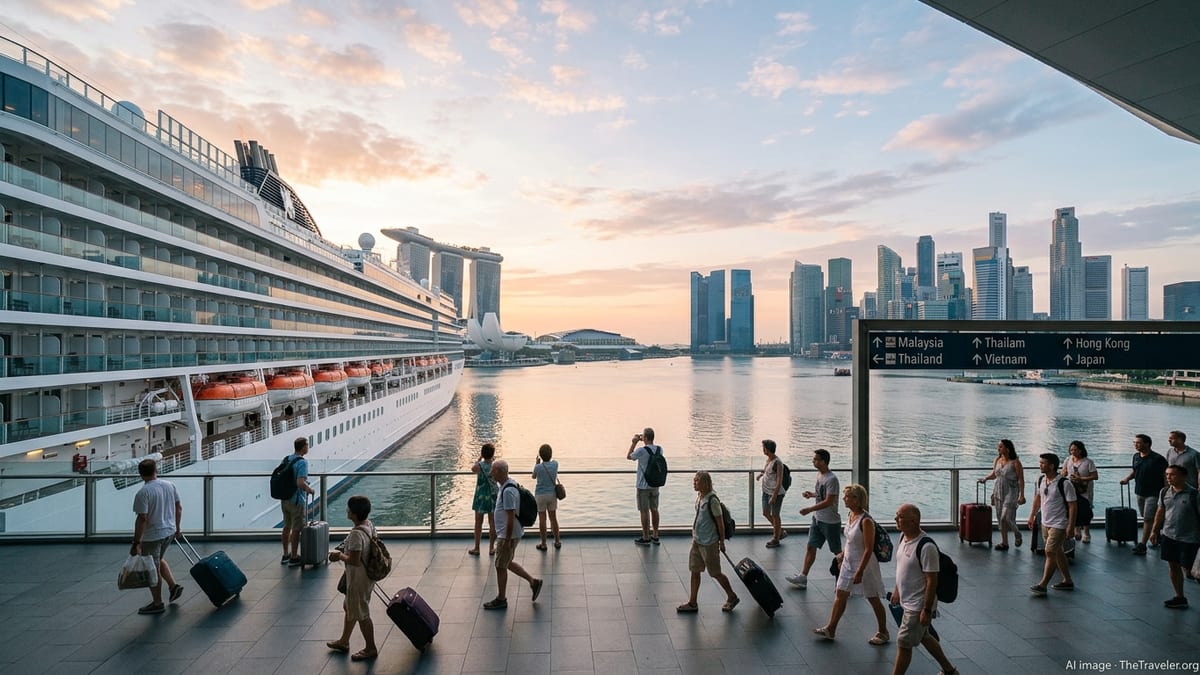
September 2026 Shapes Up as a Pivotal Month for Singapore Cruises
Port schedules and deployment previews indicate that September 2026 will bring an unusually rich mix of luxury and premium ships to Singapore, ranging from family-focused megaships to boutique regional operators. Cruise calendars for the Marina Bay Cruise Centre and Singapore Cruise Centre show multiple turnarounds and calls clustered across the month, highlighting growing confidence in regional demand for higher-value voyages.
Industry data points to Disney Cruise Line, Dream Cruises and other international brands operating out of Singapore during the period, including a series of three and four night sailings that appeal to Southeast Asian and fly-in travelers seeking short but upscale escapes. These runs sit alongside longer one-way itineraries that either begin or end in Singapore, positioning the city as both a homeport and a key staging point for extended Asian and transoceanic journeys.
The concentration of sailings underscores Singapore’s competitive position as a cruise hub for the wider Asia Pacific region. Its aviation connectivity, modern port facilities and streamlined transit options continue to support a model where travellers can easily combine premium cruises with pre- or post-stay city breaks, adding value to both the tourism and cruise economies.
Luxury and Family Brands Expand Their Asian Footprint
Sailing summaries and booking platforms for 2026 show that family-oriented and luxury brands plan to deepen their presence in and around Singapore. Disney Cruise Line deployments, for example, list multiple short voyages from Singapore in September 2026, aimed at guests seeking themed entertainment paired with resort-style service. These itineraries are designed to be accessible to first-time cruisers and repeat guests, with cabin categories and onboard experiences that push into the premium segment.
Regional operator Dream Cruises is also highlighted in 2026 timetables, with Genting Dream featuring repeatedly on Singapore-focused schedules. The ship’s two and three night sailings are marketed around spacious accommodations, casino offerings, specialty dining and dedicated suites and club-level areas that target higher-spend customers. Publicly available itineraries show the ship cycling through quick getaways that link Singapore with nearby ports, combining convenience with a taste of resort-style luxury at sea.
These deployments complement the longer-range plans of international luxury and premium lines that use Singapore as a key stop or transitional port. Itineraries published by upmarket brands in the wider 2025 to 2027 window include segments that either embark or disembark in Singapore as part of extended Asian explorations, helping to anchor the city’s profile among affluent cruisers looking for more immersive voyages.
Princess Cruises Partnership Signals Multi-Year Upscaling
A three year partnership between Princess Cruises and the Singapore Tourism Board, covering deployments from 2027, is already influencing perceptions of Singapore’s future cruise value even as the 2026 season takes shape. The agreement, announced in 2026, outlines multi-ship deployments and expanded itineraries that feature round-trip sailings from Singapore to destinations such as Vietnam, Malaysia and Thailand, as well as longer voyages linking Singapore with Japan.
While the multi-year programme formally begins after September 2026, brochures and deployment tables for the 2025 to 2026 Princess Asia season already position Singapore as a key anchor port. Royal Princess and sister ships are scheduled on extended Asian routes that incorporate Singapore as a gateway, reinforcing its status as a natural starting or finishing point for higher-value trips.
The focus on itinerary length and diversity is particularly significant for luxury and upper-premium travelers. Longer grand voyages that mix Southeast Asia, North Asia and occasionally Australia or Alaska allow guests to amortise airfare costs over more days at sea, often in balcony or suite accommodation. For Singapore’s cruise ecosystem, this translates into higher average spend per visitor, both at the port and in the city itself before and after sailing.
Short Breaks Meet Long Voyages to Broaden Market Reach
Public cruise calendars for September 2026 illustrate how Singapore is using a dual strategy of short and long itineraries to widen the appeal of luxury cruising. On one side, regional operators and global brands are offering one to four night cruises focused on quick rest and recreation, dining and entertainment. These sailings can be attractive to younger travelers, regional families and business visitors looking to bolt a brief cruise onto a Singapore stay.
On the other side, extended voyages of ten nights or longer that incorporate Singapore as a call or turnaround port are growing in visibility in 2026 and later seasons. Examples include grand Asian journeys that traverse Japan, Southeast Asia and sometimes onward to Australia, which typically feature more sea days, destination-focused shore excursions and a higher density of suites and balcony cabins.
Combining these two approaches enables cruise lines to deploy larger, more feature-rich ships in the region while keeping them busy across different customer segments. The same vessel can host short-break guests earlier in the month and then depart on a longer repositioning or regional adventure, spreading operating costs while maintaining a luxury-led onboard proposition.
Upscale Infrastructure and Experiences Underpin Singapore’s Cruise Value
Published information from port operators and tourism bodies continues to emphasise Singapore’s investment in cruise infrastructure as a foundation for its luxury ambitions. Marina Bay Cruise Centre and Singapore Cruise Centre both market fast embarkation processes, modern passenger facilities and connectivity to the city’s hotel and transport network, which are key factors for affluent travelers and the lines that serve them.
Beyond the port terminals, Singapore’s wider tourism ecosystem is aligning with the cruise sector’s premium push. High-end hotels, fine dining, integrated resorts and attraction passes are frequently packaged with cruise products sold into regional and long-haul markets, allowing itineraries to be promoted as comprehensive luxury holidays rather than standalone voyages.
Industry observers note that this integrated approach is especially relevant as competition intensifies among Asian ports seeking a larger slice of the cruise market. By offering a combination of efficient infrastructure, diverse itineraries in September 2026 and beyond, and strong air connectivity, Singapore is positioning itself as a central node in the region’s emerging network of luxury cruise experiences.