


More news on this day
Carnival Cruise Line has canceled a 16-night repositioning cruise that was scheduled to depart immediately after a planned dry dock, adjusting its maintenance calendar and shipyard arrangements in a move that affects guests who had booked a lengthy voyage between Asia and Australia.
Get the latest news straight to your inbox!
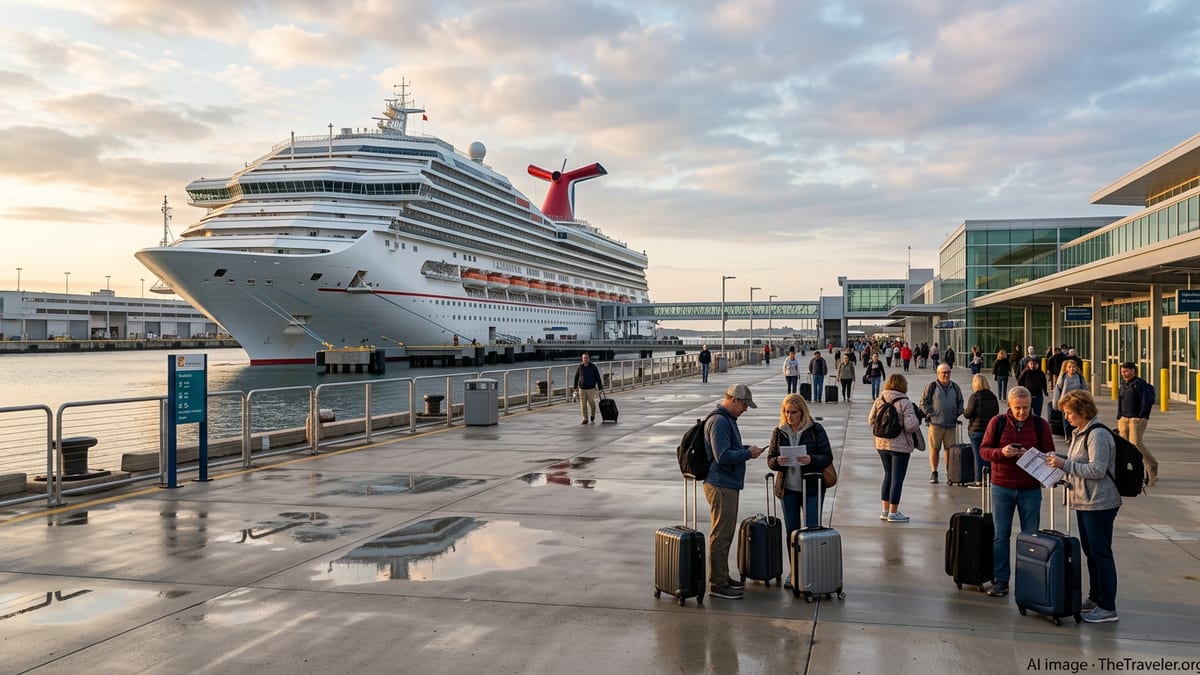
What Happened to the 16-Day Sailing
Recent cruise industry coverage indicates that Carnival has withdrawn a 16-night cruise that was due to run directly after an extended dry dock, rescheduling the maintenance window and effectively removing the voyage from its published itineraries. Reports shared in cruise news roundups in June 2026 describe the cancellation of a September 1, 2027, sailing of Carnival Splendor between Singapore and Sydney, which had been marketed as a 16-night repositioning cruise closely tied to the ship’s planned August 2027 shipyard stay.
According to these reports, the cruise was pulled after Carnival altered the timing of the vessel’s dry dock, a process that takes a ship out of service for technical work, safety checks, and refurbishment projects. The decision left the post-drydock voyage without a viable operational window, prompting the line to cancel the sailing rather than attempt to compress or overlap yard time and passenger operations.
Publicly available information shared with guests indicates that affected travelers on the canceled 16-day cruise have been offered options such as rebooking on comparable itineraries or receiving full refunds, including taxes, fees, and most pre-booked onboard services. While specific compensation levels can vary by case, industry reports describe a pattern in which operators provide rebooking assistance and, in some instances, onboard credit when a voyage is removed well in advance for scheduling reasons.
Why Dry Dock Schedules Can Upend Cruises
Dry dock periods are a core part of cruise-ship lifecycle planning, typically occurring every few years so that vessels can undergo inspections, steel work, mechanical overhauls, and interior upgrades that are not possible while carrying guests. Coverage across multiple cruise news outlets notes that Carnival, like other major lines, has recently been reshaping its dry dock calendar for several ships in 2026 and 2027, resulting in scattered cancellations of scheduled voyages to free up yard capacity.
In some cases, these changes involve extending a dry dock by days or weeks, which can push directly into the dates of a revenue cruise. Industry summaries cite examples such as a canceled January 2026 sailing on Carnival Elation and multiple 2026 voyages on Carnival Magic and Carnival Horizon that were removed after maintenance periods were moved or lengthened. In each case, the shipyard timetable took priority, leading to adjustments in the public schedule and the loss of specific cruises.
Analysts who track cruise operations point out that yard slots at major ship repair facilities are tightly booked years in advance, and shifting one ship’s project can have knock-on effects across a fleet. When a large-scale technical upgrade is added, or when a yard faces congestion or labor issues, operators may decide that sacrificing a long repositioning cruise is preferable to squeezing critical work into an unrealistic window. The canceled 16-day Carnival Splendor voyage appears to fit this broader pattern of rescheduled maintenance driving targeted cancellations.
Impact on Affected Guests and Bookings
For travelers, the sudden loss of a long-haul cruise can be disruptive, particularly when itineraries include long-haul flights, pre- or post-cruise land stays, or vacation time requested far in advance. Cruise forums and news reports describing the Carnival Splendor change highlight disappointment from some guests who had planned the 16-night voyage around milestone celebrations or once-in-a-lifetime trips between Southeast Asia and Australia.
In published coverage of similar Carnival cancellations, guests are typically presented with several options: switching to another sailing on the same ship at a later date, moving to a different Carnival ship with a comparable itinerary, or taking a full refund. Some recent cases involving dry dock-related schedule changes have also included modest onboard credit for guests who choose to rebook, as seen with other lines that have canceled transatlantic or repositioning cruises tied to shipyard work.
Travel experts quoted in broader industry analysis consistently recommend that guests wait for the cruise line’s formal notification before making changes, then review air and hotel bookings and any travel insurance policies. Many policies treat a cruise line’s cancellation as a covered event, although the degree of reimbursement for flights and independent land arrangements can vary. Publicly available guidance stresses the importance of contacting airlines and hotels promptly to explore credits or date changes once a cruise is officially removed.
A Broader Wave of Dry Dock-Linked Cancellations
The scrapped 16-day Carnival Splendor voyage is part of a wider series of schedule changes across the Carnival fleet, many of which are tied to an intensive dry dock program. Over the past year, reports have documented multiple 2026 cancellations on Carnival Magic and Carnival Horizon as their dry dock periods were shifted into spring, as well as the removal of 11 Carnival Firenze departures between October and November 2026 that observers link to schedule reshuffling and likely maintenance needs.
Industry news outlets have also highlighted how other lines under the Carnival Corporation umbrella and competing brands have recently canceled lengthy repositioning or transatlantic cruises associated with yard time or redeployment. These adjustments reflect an environment in which ship operators are committing significant capital to upgrades and sustainability projects, while also navigating limited shipyard capacity and evolving deployment strategies.
For Carnival, refits have involved not only routine mechanical work but also guest-facing changes such as refreshed public spaces, new venues, and updated branding features that have been rolled out across much of the fleet. Dry dock extensions and date shifts, while disruptive to specific cruises such as the 16-day Singapore to Sydney run, are framed in industry commentary as part of a longer-term effort to keep vessels competitive and compliant with evolving safety and environmental standards.
What Travelers Can Learn for Future Bookings
The cancellation of a lengthy post-drydock cruise underscores several practical lessons for travelers considering repositioning voyages or first sailings after major shipyard projects. Cruise commentators often note that itineraries scheduled immediately before and after dry dock periods can be more susceptible to change, particularly if a ship’s upgrade scope is expanded or if a yard encounters delays.
Some experienced cruisers recommend building extra flexibility into long-haul plans that are tightly linked to a single repositioning or inaugural post-drydock sailing. This might include choosing refundable airfares when possible, purchasing travel insurance that clearly addresses supplier cancellations, or being open to alternative sailings if a ship’s schedule shifts. Others suggest monitoring industry news and ship-specific updates in the months leading up to a cruise that follows an extensive yard stay.
While cancellations of this kind remain relatively infrequent compared with the overall number of Carnival departures, the withdrawn 16-day sailing demonstrates how a change in shipyard timing can reverberate through passengers’ plans. For those booking future extended voyages, especially those tied closely to dry dock schedules, awareness of this risk can help set expectations and encourage backup options if a voyage is ultimately removed from the calendar.