


More news on this day
International tourism has surged past pre‑pandemic levels, with nearly 1.5 billion cross‑border trips recorded in 2024, yet the United States is capturing a smaller share of that boom as nervous, price‑sensitive travelers look elsewhere.
Get the latest news straight to your inbox!
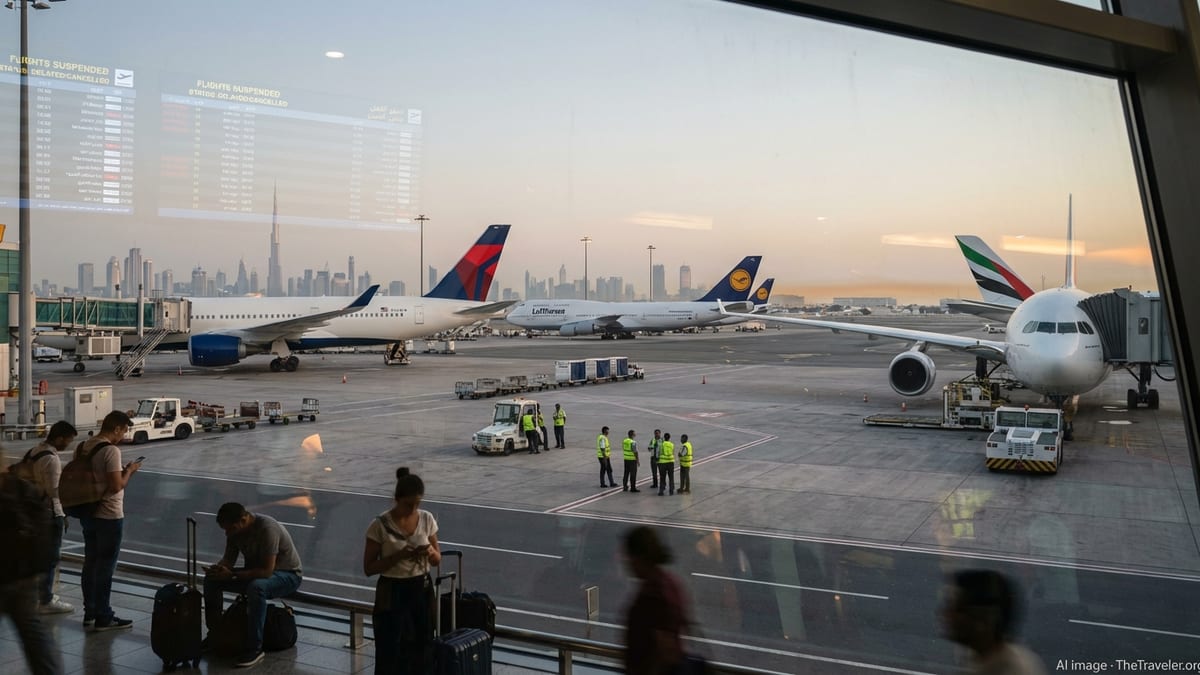
A Tourism Boom That Is Passing the U.S. By
Latest figures from global tourism bodies indicate that international travel has not only recovered from the pandemic shock but moved decisively into record territory. UN‑linked monitoring and aviation data show that global tourist arrivals in 2024 reached close to 1.5 billion and international air passenger demand hit new highs, overtaking 2019 benchmarks. Reports on 2025 performance suggest continued growth, with worldwide arrivals edging above pre‑crisis levels and tourism receipts reaching unprecedented totals.
Many destinations are turning this demand into historic gains. Southern Europe has reported back‑to‑back record seasons, with countries such as Spain, Portugal and Türkiye posting all‑time highs for international arrivals and tourism income. Gulf states, major Asian hubs and cruise destinations have also logged strong double‑digit growth as airlines restore capacity and consumers prioritize travel.
Against that backdrop, inbound travel to the United States looks comparatively subdued. Publicly available forecasts from U.S. tourism promotion agencies point to rising visitor numbers, but recent analyses highlight that monthly arrivals in late 2025 were still meaningfully below 2019 levels. Industry briefings describe the recovery as uneven and fragile, with particular softness from some European markets that once underpinned long‑haul demand for cities such as New York, Los Angeles and San Francisco.
The result is a widening contrast: while global tourism is expanding in breadth and value, the American share of that growth is under pressure, prompting questions about why many international travelers are hesitating or choosing alternative destinations.
Safety Perceptions and Heightened Travel Warnings
One of the most visible headwinds has been a shift in how foreign governments describe personal safety risks in the United States. Updated travel advisories from several countries have drawn attention to gun violence, high‑profile mass shootings and perceived inconsistencies in local law enforcement practices. These notices do not bar travel, but they encourage visitors to exercise increased caution in crowded places, entertainment districts and major cities.
Media coverage amplifies those concerns. International outlets have devoted sustained attention to incidents involving firearms, political confrontations and civil unrest in U.S. cities, often framing them against debates over gun control and policing. In online forums and travel surveys, potential visitors cite these stories when explaining why they postponed or redirected trips, particularly if they are traveling with families or are unfamiliar with the country.
Tourism and hotel industry groups have argued that much of the narrative reflects misperceptions or selective focus rather than everyday reality for most visitors. However, perception itself is proving consequential. In long‑haul origin markets like Western Europe, where travelers can choose among many safe, easily accessible destinations, even a modest sense of unease can tilt decisions toward countries that market a calmer, more predictable environment.
For now, these safety anxieties seem to weigh most heavily on first‑time visitors and on high‑spending segments such as international sports fans and conference delegates. Reports tied to the upcoming World Cup in North America point to a gap between strong overall interest in the event and softer‑than‑expected hotel and flight bookings from abroad, with safety fears named among several discouraging factors.
High Costs and a Strong Dollar Squeeze Travel Budgets
Economic factors are compounding the problem. Airfares to the United States have remained elevated compared with many intra‑European and intra‑Asian routes, reflecting both longer flight distances and lingering supply constraints. International aviation data for 2024 and 2025 shows that while global capacity has broadly recovered, long‑haul transatlantic and transpacific seats are still constrained in some markets, keeping prices high during peak seasons.
At the same time, the strong U.S. dollar has made on‑the‑ground spending more expensive for many foreign visitors. Hotel reports and consumer price data indicate that accommodation, dining and car rentals in major U.S. cities often cost significantly more than equivalent offerings in rival destinations. For travelers from Europe, Latin America or parts of Asia, currency shifts since 2022 mean their vacation budgets simply buy less in the United States than they once did.
Competing destinations are seizing that moment. Tourism agencies in Europe, Asia and the Middle East are promoting packages that bundle affordable airfares with streamlined visas and tax‑free shopping. Countries that rely heavily on tourism have invested in price‑sensitive marketing, positioning themselves as better value for money while still offering iconic cultural sites, beaches, nightlife and major events.
The price gap is particularly sensitive for group travel and major events. Industry surveys ahead of the 2026 World Cup suggest that some fans are choosing to watch from home or in closer, cheaper destinations rather than commit to costly trips across the Atlantic with accommodation and transport in multiple U.S. host cities.
Visa Hurdles and Border Friction Discourage Spontaneous Trips
Beyond perceptions and prices, practical barriers are steering travelers away. Many nationalities face lengthy visa application processes when visiting the United States, including extensive online forms, in‑person interviews and wait times that can stretch for weeks or months at busy consulates. Travelers and tour operators report that unpredictable appointment availability makes it difficult to plan last‑minute or opportunistic trips.
Policy changes and pilot programs have added further complications for some visitors. Measures that require substantial visa bonds or additional financial guarantees for applicants from specific countries have attracted coverage in travel trade publications, with analysts warning that such requirements can effectively price out many potential tourists or redirect them to destinations with more straightforward entry procedures.
At the border itself, travelers describe secondary screenings, detailed questioning and electronic device checks as stressful, even when they ultimately enter without issue. Publicly available guidance from airlines and travel associations frequently advises passengers to allow extra time for U.S. immigration controls, in contrast to smoother, automated entry systems now common in parts of Europe and Asia.
By comparison, rival tourism hubs have expanded visa‑on‑arrival options, broadened e‑visa schemes and introduced multi‑year, multi‑entry permits targeted at repeat visitors. This creates a growing disparity in friction, where choosing the United States often means more paperwork, more uncertainty and a less welcoming first impression.
Shifting Global Itineraries and the Rise of Alternative Hubs
The final piece of the puzzle is how global travel patterns themselves are changing. Recent tourism barometers and airline demand reports highlight especially strong growth in Asia and the Middle East, where new airport hubs, cruise terminals and cultural mega‑projects are reshaping long‑haul routes. Cities in the Gulf, Southeast Asia and the Mediterranean have invested heavily in events, museums and entertainment districts designed to capture stopover and destination traffic.
For many travelers, these regions now offer multi‑country itineraries that are easier to combine than a single U.S. trip. A European tourist might pair Spain and Morocco in one vacation, or a visitor from East Asia might link Japan, Korea and a beach destination using a patchwork of low‑cost carriers. These regional clusters benefit from short flight times, integrated rail networks and, in some cases, shared visa regimes.
Environmental considerations also play a subtle role. As climate awareness grows, some long‑haul travelers are aiming to reduce the number of intercontinental flights they take, favoring trips that maximize time in a single region. With abundant options inside Europe, Asia or the Middle East, the extra distance to the United States becomes harder to justify, especially when combined with cost and entry concerns.
Industry observers note that the United States remains a coveted destination with globally recognized cities, national parks and cultural attractions. Yet as other regions move faster to capitalize on the post‑pandemic travel surge, the balance of convenience, value and perceived safety is tilting away from America. For now, that means a world in which tourism is booming, but many of the travelers driving that boom are looking elsewhere.